



A Hangzhou dish formalized in the Republican era (early 20th c.), generally credited to Hangzhou chef Wu Lichang of the Tianwaitian restaurant, who substituted fresh Longjing leaves for the scallions in plain stir-fried shrimp; the Qing-era Qianlong account is a popular legend rather than documented history, depending on two local resources: Longjing green tea from the hills west of West Lake, and small river shrimp from the lake itself. Tradition pairs the dish with first-flush Longjing picked before Qingming (early April) — the most expensive grade, but small quantities work on a small dish.
A Qing-era Hangzhou dish built on two local resources: pre-Qingming first-flush Longjing from the hills west of West Lake, and small river shrimp from the lake itself. Velveted in egg-white-starch, fried under 130°C — high heat turns the volatiles bitter in seconds.
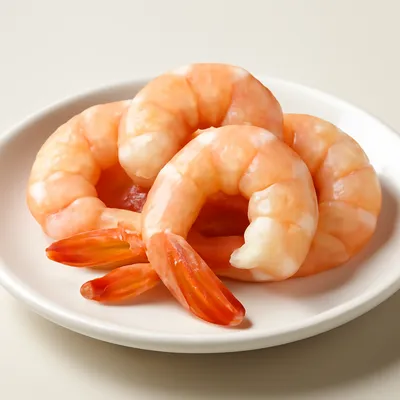
Pale-pink river shrimp, peeled small and tender, scattered with whole green Longjing tea leaves. The dish looks almost colorless — no soy, no sugar, no chili. Taste is the shrimp's own sweetness with the tea's grassy, slightly nutty top note. Tea leaves go in the mouth too; chew them. Served small, as a delicate course, not a centerpiece.
Shrimp are velveted briefly in egg white and starch then flash-fried at low oil temp (under 130°C) so they barely color and stay translucent. The tea is brewed quickly — first infusion only, 30 seconds — and the leaves plus a splash of the tea water go into the wok last. High heat or long cooking destroys the volatile aromatics; the dish goes from delicate to bitter in seconds.
Variations
Louwailou and Zhiweiguan in Hangzhou stick to whole tea leaves in the wok; Shanghai-style 龙井虾仁 strains the leaves out and uses only the brewed water; Taiwan adaptations sub in jade-green Baozhong tea.
On the Palate
Where Longjing Tea Shrimp sits in the Chinese flavor cloud
Keep the heat gentle and the cooking short. Velvet the shrimp in egg white and starch, fry at a low oil temperature so they stay translucent and barely color, and add the tea leaves and a splash of tea water only at the very end — a hot wok or a minute too long turns the delicate tea bitter.
Ingredients



How it's made
5 steps · 15 min
- 15 min
Steep the Longjing tea leaves in hot water for 5 minutes, then strain, reserving the brewed tea.
- 25 min
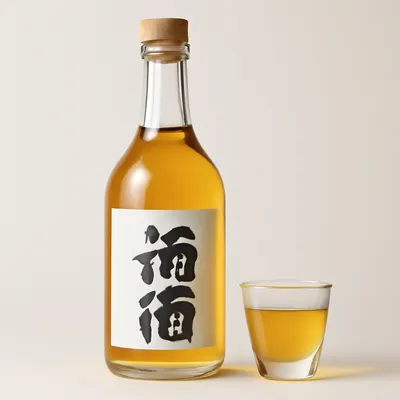
In a bowl, whisk together egg white, rice wine, and a pinch of salt. Add the shrimp and gently toss to coat them evenly.
Watch outThe egg-white coat should cling as a thin, slippery film on every shrimp — not a thick batter — so they stay silky.
- 31 min
Heat a tablespoon of oil in a wok over medium heat until it shimmers. Add garlic and ginger, stir-frying until fragrant, about 30 seconds.
Watch outEnsure the oil is hot enough to shimmer but not smoking, to avoid burning the aromatics.
- 43 min
Add the marinated shrimp to the wok and stir-fry until they turn pink and opaque, around 3 minutes.
Watch outPull the shrimp the instant they turn pink and opaque; curled tight and still juicy, not rubbery.
- 51 min
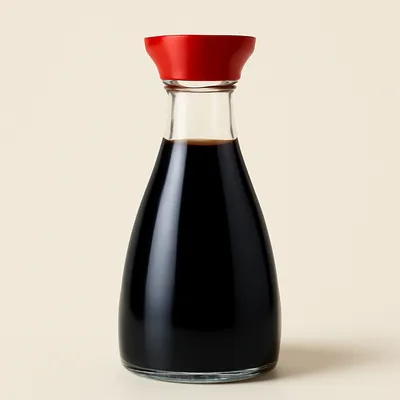
Pour the reserved tea into the wok, along with a dash of soy sauce. Stir gently to combine, allowing the flavors to meld for another minute.
Watch outOnce the tea and leaves go in, toss gently just to combine and pull off the heat within a minute so the aroma stays fresh.