
A classic Huaiyang soup from Pingqiao in Huai'an: brine-set tofu sliced hair-thin and simmered in rich chicken stock with crab roe, then lightly thickened so the broth turns silky and clings. A film of oil and starch on top hides the steam, so the soup looks calm yet is scalding hot.


A signature dish of Pingqiao, an old canal town in Huai'an, Jiangsu, and one of the celebrated dishes of Huaiyang cuisine. Folk tradition links it to one of the Qianlong emperor's southern tours, when a local magnate named Lin is said to have had his cook stew the town's tofu in old-hen stock enriched with crucian-carp brain to receive the emperor; this welcome story is largely later embellishment. There is, however, a documentary trace of the wider tradition: the imperial kitchen ledger Qianlong Thirtieth Year Jiangnan Menu Records (1765) notes that as the emperor passed through Huai'an on his southern tour, his meals included a 'fat-chicken tofu-slice soup,' a close antecedent of the dish that survives in Huaiyang kitchens today.
The tofu is sliced almost as thin as a leaf, so each piece carries the stock rather than its own blandness; the broth is silky and just thick enough to coat the spoon. Crab roe lends a deep shellfish richness over the savory chicken base. The signature is the heat: a skin of oil and starch holds the steam down, so the surface looks still and cool — then the first mouthful is scalding. Sip from the edge, not the center.
Two things make the soup deceptively hot. A thin film of oil floats on top and, together with the starch glaze, seals the surface so almost no steam escapes — the broth looks calm and cool while staying near boiling underneath; oil also conducts heat poorly and slows cooling, so the soup holds its scald far longer than a clear broth. The tofu is sliced hair-thin for two reasons: the thin pieces drink up the stock's umami and turn silky, and being fragile they are added late and only gently simmered so they do not break apart. Brine-set tofu is firmer than lactone tofu and survives the cutting and the pot; blanching it first and pressing out the 'yellow water' removes the raw-bean edge before it meets the stock.
Variations
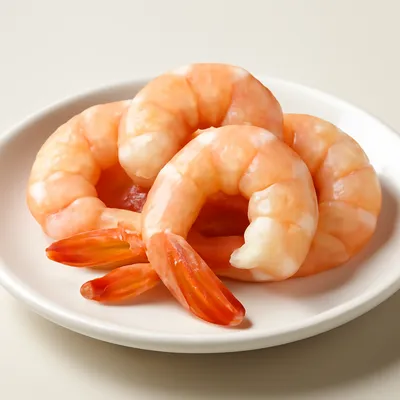
Huai'an and Pingqiao kitchens vary the stock and garnish: richer versions add crab roe, crucian-carp brain, eel, or sea cucumber over the chicken base, while simpler ones use chicken stock alone with shredded ham, mushroom, and shrimp. Brine-set tofu gives a firmer, cleaner slice; softer lactone tofu is silkier but breaks more easily. The thickness of the starch glaze is a matter of taste — some keep it a loose broth, others a clinging gravy.
On the Palate
Where Pingqiao Tofu Soup sits in the Chinese flavor cloud
Ingredients
Serves 4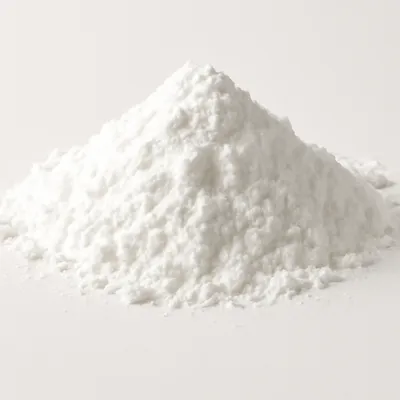

How it's made
6 steps · 30 min
- 110 min
Simmer a chicken or old-hen stock until rich; if using crucian-carp brain, strain it into the hot stock to deepen the flavor.
- 26 min
Cut brine-set (or soft/lactone) tofu into very thin, small slices. Blanch briefly in cold-then-boiling water, lift out, and gently press to remove the 'yellow water', then hold in clean water.
Watch outSlice the brine-set tofu hair-thin and add it late, simmering only gently — it's fragile, and a hard boil breaks the delicate slices apart.
- 32 min
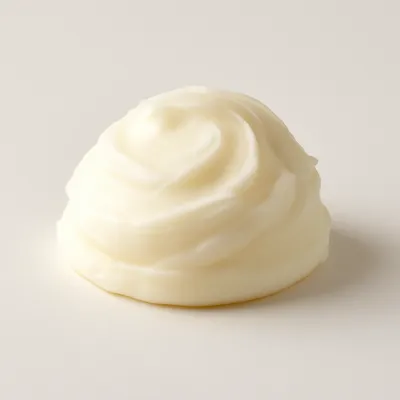
Bring the stock to a boil with a little lard or oil, ginger, and scallion; season lightly with salt and a touch of soy.
- 43 min
Slip in the tofu slices along with shredded ham, mushroom, and shrimp; simmer gently so the tofu does not break.
- 52 min
Stir in a cornstarch slurry and bring back to a boil to lightly thicken into a silky soup.
- 62 min
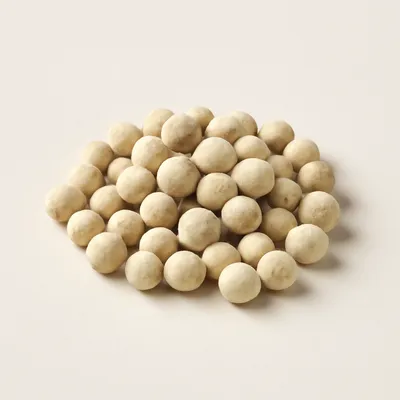
Add crab roe, finish with white pepper and a few drops of sesame oil, and serve at once — warn diners it is hotter than it looks.
Watch outThe oil film and starch glaze seal the surface so it stays near boiling while looking calm — warn diners it's far hotter than it looks.
Archive tool suggestions — not reviewed
These legacy suggestions have not been evidence-reviewed and are not presented as required tools.


