
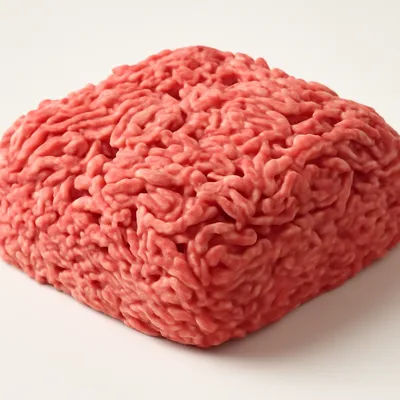
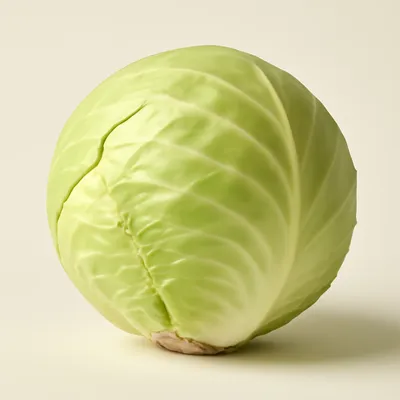
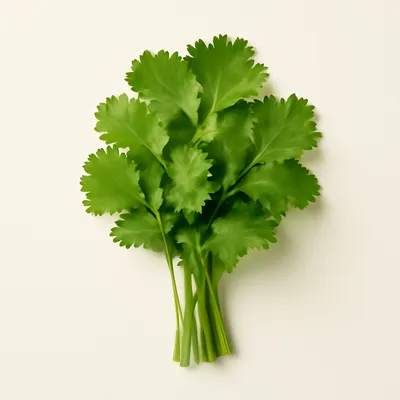
A halal breakfast soup of Xi'an's Hui Muslim quarter (回坊), and the city's own answer to the better-known Henan hulatang. Beef meatballs are simmered with cubed potato, cabbage, and carrot in a long-cooked beef-bone broth, which is then thickened with a potato-starch slurry into a glossy, gravy-thick soup. It is seasoned with white pepper and ground Sichuan peppercorn for a warming, numbing-peppery backbone, and each bowl is finished at the table with a spoonful of hot-oil chili (油泼辣子) for fragrance and color, plus coriander. It is eaten with torn pieces of 饦饦馍 — the same dense, barely-leavened griddle flatbread used in Xi'an's lamb-and-bread soup — dropped in to soak up the broth.




Hulatang itself is an old Central Plains breakfast whose exact origin is unrecorded; it was carried west into Xi'an by Henan migrants. The distinct halal meatball version is far younger — a Hui-quarter adaptation generally said to have taken its present form in the late twentieth century, reworked by cooks in the Muslim streets around 大皮院 and 洒金桥 to local taste: beef in place of diced meat, potato starch in place of the gluten-wash water, and a heavier, gravy-thick body. No single inventor or firm date can be reliably documented. The two soups now sit side by side on Xi'an breakfast streets as two separate schools, and several long-running 回坊 stalls — among them 大皮院's 马三 and 含光门's 西北老马家 — are cited as standard-setters for the meatball style.
The broth is the point: thick enough to coat the back of a spoon and to cling to a torn piece of 馍, not a thin pepper broth. The meatballs are ping-pong-sized, springy and slightly chewy on the outside, soft and loose within, and the potato has gone meltingly tender while the cabbage keeps a faint bite. The heat is warming rather than fierce — white pepper and Sichuan peppercorn give a peppery, lightly numbing lift, and the spoon of hot-oil chili reads as fragrant and red-glossed more than burning. Done well it is rich, savory, and seamlessly thick; done badly the meatballs are dense and bready from too much starch or fall apart from too little, and an over-thickened slurry turns the soup into gluey paste.
Two things carry the dish: the meatballs and the thickening. The beef is bound with a measured amount of dry starch and seasoning and shaped loosely; dropped into near-boiling broth, the muscle proteins coagulate quickly so the ball firms into a springy shell while the starch holds water inside, keeping the center soft — too much starch makes it bready, too little and it disintegrates. The body comes from a potato-starch slurry stirred in at the end: potato starch gelatinizes at a low temperature (its granules begin to swell around 56°C and the paste sets near 67°C), absorbing water and dispersing into a clear, glossy, high-viscosity gel that suspends the meatballs and vegetables and gives the soup its gravy-thick cling. The finishing chili is bloomed by pouring oil at roughly 150 to 180°C over ground chili and aromatics, which extracts the fat-soluble pigments and aroma compounds (and runs Maillard and caramelization reactions in that range) so the topping is fragrant and deeply colored rather than simply hot.
Variations
The defining contrast is with Henan hulatang, which uses diced or shredded beef rather than meatballs, thickens with wheat-gluten wash water instead of potato starch for a thinner body, often turns sour with vinegar, and tends to carry kelp, wood ear, vermicelli, and strips of gluten; the Xi'an halal version is meatball-based, thicker, and not sour. Within Xi'an the vegetables vary — green beans, cauliflower, zucchini, celery, or wood ear may join the standard potato, cabbage, and carrot — and the bread eaten with it is the dense 饦饦馍 (also written 陀陀馍 or 托托馍, the same flatbread torn into 羊肉泡馍). Meatball size and the heat of the house chili oil differ from stall to stall.
On the Palate
Where Beef Meatball Hulatang sits in the Chinese flavor cloud
Ingredients
Serves 4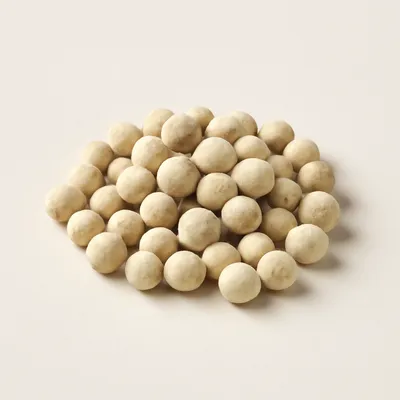


How it's made
7 steps · 1 hour active + 2 hours waiting
- 1125 min
Simmer beef leg or marrow bones with ginger, star anise, and fennel seed in plenty of water for at least two hours into a rich, milky broth; skim and reserve.
- 212 min
Mix minced beef with a measured amount of dry potato starch, salt, white pepper, ground Sichuan peppercorn, five-spice, and scallion-ginger water, stirring in one direction until sticky and springy.
Watch outStir the beef in one direction until it turns sticky and springy — that's the protein binding, and it's what makes the meatball bouncy instead of crumbly.
- 36 min
Bring the broth to a gentle boil and drop in loosely shaped meatballs; return to a boil and cook until they float and are set through, a few minutes.
- 410 min
Add the vegetables in order of hardness — cubed potato and carrot first, then green beans or cauliflower if used — and simmer until nearly tender; add the cabbage last so it keeps a little bite.
- 51 min
Season the broth with salt, white pepper, and ground Sichuan peppercorn.
- 63 min
Stir a potato-starch slurry into the simmering soup in a thin stream, stirring constantly, until it turns glossy and gravy-thick; do not over-thicken.
Watch outStream the slurry in slowly while stirring, just until glossy and gravy-thick — dump it in and it clumps, over-thicken and it turns gluey.
- 72 min
Ladle into bowls; finish each with a spoon of hot-oil chili, a few drops of sesame oil, and chopped coriander, and serve with torn 饦饦馍.
Archive tool suggestions — not reviewed
These legacy suggestions have not been evidence-reviewed and are not presented as required tools.


