
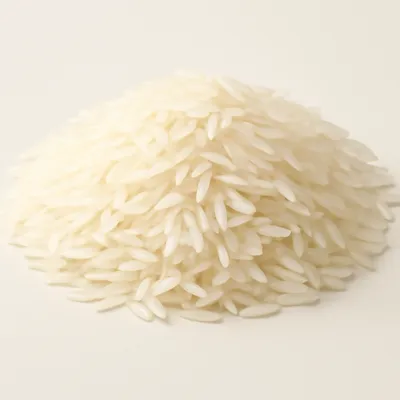
A Wuhan morning bowl of fine round rice noodles in a thick, pepper-heavy fish broth. Small wild crucian carp, just a few inches long, are simmered for hours until the flesh dissolves and the bones go soft; the liquid is strained of all debris, then ground rice is stirred in and cooked down to a smooth, gravy-thick "糊" (paste). Thin 籼米 rice noodles are blanched and dropped in, the broth is ladled over, and the bowl is finished with white pepper, scallion, dried shrimp, and pickle. It is eaten with torn lengths of fresh 油条 (fried dough stick) dunked into the soup, and is one of the defining items of Wuhan's 过早.
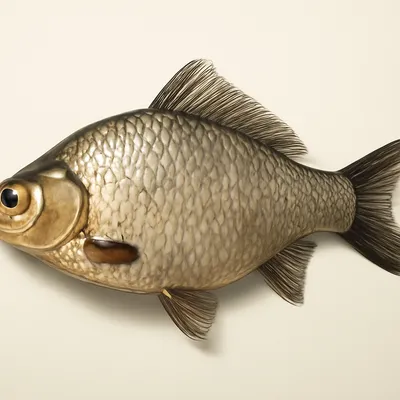



Hutang fen is a long-standing snack of the three towns of Wuhan; the commonly cited beginning is the 钟记 fresh-fish hutang fen of 1932. It grew up as a cheap dockside breakfast: cooks bought up small, low-value river fish, boiled them down in a big pot until the bones softened and the meat fell apart, then strained off everything but the rich broth and thickened it with rice so a little went far and the fishy edge was tamed. The early raw material of small fish and shrimp was gradually narrowed to small wild crucian carp. In 2019 it was named one of the "ten famous Chu-cuisine snacks." Its fixed partner has always been freshly fried 油条.
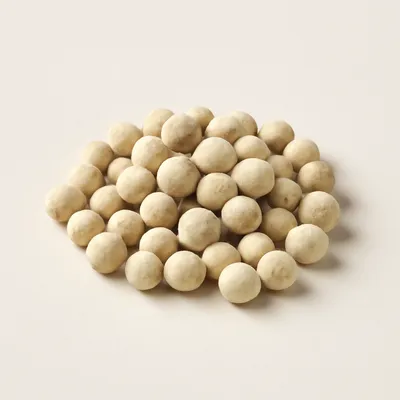
The broth is the whole point: thick enough to coat the spoon, glossy and grey-white, intensely savoury with fish and lit up by a hard hit of white pepper that warms the throat. The fine noodles are soft and slippery, almost melting into the gravy, while the dried shrimp and pickle drop in little bursts of salt and crunch. A torn 油条 dunked in turns soft-soaked outside, still chewy within, and carries broth in every bite. Done well it is rich, peppery, and clean, with no bones and no raw mud-fish funk; done badly it is thin and gluey at once, under-peppered, or carries the off note of fish that was not cooked down and strained properly.
Two processes give the bowl its character. First, the long simmer of small crucian carp breaks down the fish almost completely — flesh disintegrates and the soft bones and skin give up gelatin and umami amino acids into the water — after which straining through cloth removes every bone and scrap, leaving only a concentrated fish broth. Second, ground rice is stirred in and cooked: its starch granules absorb water and swell, gelatinising into a smooth, viscous "糊" that suspends the fish flavour and clings to the noodles instead of running off them. Generous white pepper does double duty, masking the muddy-fish note and adding warming aroma. The noodles are 籼米 — long-grain, low in sticky starch — so they stay fine and slippery without turning gummy; the 油条 is dunked at the table so it absorbs broth while keeping a chewy core.
Variations
The headline version is 鲜鱼糊汤粉, made with fresh small crucian carp; thrift versions lean more on rice and pepper with a lighter fish hand. Within Wuhan the bowl varies by the toppings ladled on — dried shrimp, diced carrot, pickled mustard, extra scallion — and by how thick the 糊 is cooked. It is one of the city's two great noodle breakfasts beside 热干面 (hot-dry noodles); some stalls offer a related 鱼糊粉 by the same idea, and the standard accompaniment of 油条 is occasionally swapped for 油饼 or 烧梅.
On the Palate
Where Hutang Fen sits in the Chinese flavor cloud
Ingredients
Serves 4


How it's made
7 steps · 40 min active + 3 hours 20 min waiting
- 112 min
Clean small wild crucian carp; pan-fry them lightly in oil until the surface firms, which helps the broth turn milky and tames the fishy smell.
Watch outPan-fry the little carp until the surface firms first — that's what turns the broth milky-white and takes the fishy edge off.
- 2150 min
Add plenty of water with ginger and scallion and simmer over low heat for two to three hours until the flesh dissolves and the bones soften.
Watch outSimmer low 2-3 hours until the flesh dissolves and the bones soften — the fish has to fall apart completely for a rich stock.
- 310 min
Strain the broth through cloth, pressing and discarding all bones and solids, to leave a clean, rich fish stock.
- 48 min
Stir a slurry of ground rice (or fine rice flour) into the simmering stock and cook, stirring, until it thickens to a smooth, glossy paste.
Watch outStir the rice slurry in and cook until it thickens to a smooth, glossy paste — the gelatinized starch is what makes it cling to the noodles.
- 52 min
Season the broth assertively with white pepper and salt.
- 63 min
Blanch fine 籼米 round rice noodles in boiling water until just done, then divide into bowls.
- 73 min
Ladle the hot fish paste over the noodles; top with scallion, dried shrimp, and pickle, and serve with torn fresh 油条 for dunking.
Archive tool suggestions — not reviewed
These legacy suggestions have not been evidence-reviewed and are not presented as required tools.


