
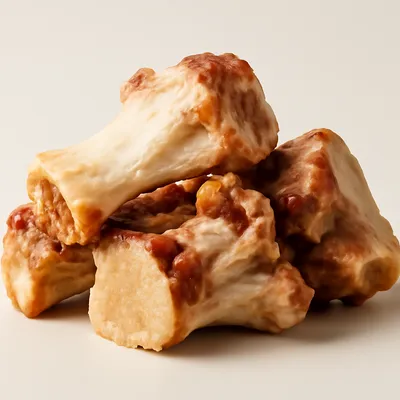
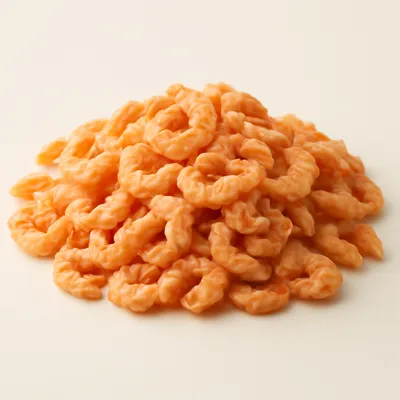
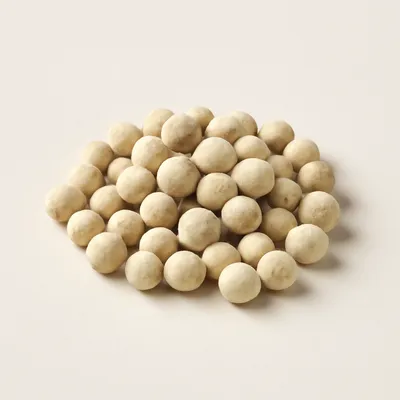
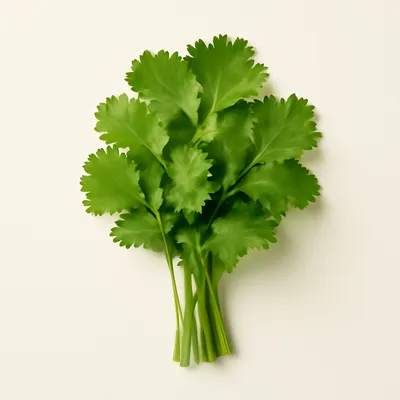
A signature breakfast small-eat of Quanzhou and the wider southern-Fujian (Minnan) region. Ultra-thin salted wheat mee sua is simmered in a seafood-and-pork-bone broth until the strands break down, and the broth is thickened with sweet-potato starch into a smooth, pourable paste rather than separate noodles. Each bowl is finished to order with a wide choice of toppings — braised pork intestine, vinegar-marinated fried pork, oysters, shrimp, squid, pig's blood — plus white pepper and cilantro, and is often eaten with a length of fried dough stick dipped in.




Mee sua paste is a traditional Minnan small-eat centered on Quanzhou, from where it spread across Fujian and to Taiwan; its exact datable origin is unrecorded, though folk stories tie it to the Qianlong emperor's southern tours. What is documented is the noodle itself: the thread-thin salted wheat mee sua is a Fujian specialty whose hand-pulling craft is generally traced to Central Plains migrants who moved south during the Song and Yuan dynasties and adapted dried-noodle making to the humid southern climate, drawing the dough out to hair-fine strands. In 2024 Quanzhou's market authority issued a municipal standard, DB3505/T 22—2024, codifying the craft of making mee sua paste, and the city — named a UNESCO City of Gastronomy in 2023 — treats the dish as a flagship of its small-eat tradition.
The paste arrives pale and glossy, thick enough to coat a spoon yet still pourable, with no whole strands to chew — the mee sua has melted into the broth and reads as a single silky body. The flavor is clean and lightly sweet from the seafood stock, deepened by pork bone, lifted sharply by a heavy dust of white pepper and the green note of cilantro. Spoon up a topping and the texture turns: the snap of an oyster, the chew of braised intestine, the crisp edge of vinegar pork, all against the smooth warm base. A piece of fried dough stick, dipped in, goes soft and soaks up the broth.
Two things make the bowl a paste and not a noodle soup. First the noodle: mee sua is rolled and pulled to a hair-fine gauge and made with salt, so its thin strands hydrate and break apart fast in hot broth, releasing their own wheat starch into the liquid. Second the thickener: sweet-potato starch, slurried with cold water at about one part starch to three parts water and stirred in near the end. As the broth heats past roughly 55 to 70 degrees, the starch granules absorb water and swell, their internal hydrogen bonds break, and the granules burst to release long starch molecules that tangle through the water — gelatinization — turning a thin stock into a viscous, glossy paste. Sweet-potato starch is chosen for its high viscosity and clear, smooth set; constant stirring keeps it from clumping and from scorching on the bottom. The broth's clean sweetness is umami, built from free amino acids and nucleotides extracted from shrimp, fish or clam and from pork bone.
Variations
The dish is defined by its toppings, which vary by stall and by eater: braised pork intestine and small intestine, vinegar-marinated fried pork, oysters, shrimp, squid, pig's blood, pig liver and kidney, braised egg, tofu and shiitake are all common, ordered singly or in combination. Seasoning runs to white pepper, cilantro and a splash of local vinegar; some bowls add a beaten egg swirled in at the end. The starchy paste base is otherwise consistent across Quanzhou, Xiamen and Zhangzhou, and the dish carried to Taiwan, where oyster and large-intestine versions are especially popular. It is most often eaten at breakfast with a fried dough stick or a fried mati su pastry on the side.
On the Palate
Where Mee Sua Paste sits in the Chinese flavor cloud
Ingredients
Serves 4

How it's made
7 steps · 20 min
- 170 min
Make the broth: simmer pork bones with dried shrimp, dried fish or clams in plenty of water for at least an hour, then strain to a clear stock and season with salt and a little fish sauce.
- 230 min
Prepare the toppings separately — braise pork intestine until tender, fry vinegar-marinated pork, blanch oysters and shrimp — and set each aside warm.
- 35 min
Slurry the sweet-potato starch with cold water at about one part starch to three parts water, stirring until smooth and lump-free.
Watch outSlurry the sweet-potato starch about one part to three parts cold water, smooth and lump-free — clumps here become gluey knots in the bowl.
- 48 min
Bring the strained broth to a gentle boil, drop in the mee sua, and simmer, stirring, until the thin strands soften and begin to break apart.
- 56 min
Pour the starch slurry into the simmering broth in batches, stirring constantly, until the liquid thickens into a smooth, glossy, pourable paste; keep stirring so it does not clump or scorch.
Watch outPour the slurry in batches, stirring nonstop, until it turns glossy and coats a spoon yet still pours — keep stirring so it doesn't clump or scorch.
- 62 min
Taste and adjust with salt and white pepper; the paste should coat a spoon yet still pour.
- 73 min
Ladle into bowls, add the chosen toppings, and finish with white pepper, cilantro and a few drops of vinegar; serve hot with a fried dough stick alongside.
Archive tool suggestions — not reviewed
These legacy suggestions have not been evidence-reviewed and are not presented as required tools.


