
Sampan congee is a Cantonese raw-cooked-to-order congee (sang gun juk) from the Xiguan district of Guangzhou. A pot of fully broken-down plain rice congee is kept simmering, and at the moment of serving raw thin-sliced river shrimp, fish and other toppings are dropped in and cooked through in the boiling congee, then the bowl is finished with shredded jellyfish, crisp fried peanuts and bits of fried dough stick. It takes its name from the little boats (teng zai, "sampans") on Lizhiwan Creek from which water-dwelling people once sold it.



Sampan congee originated with the Tanka (Danjia) boat-dwelling people of the Pearl River, who for generations lived afloat and were excluded from settling on land. Around the old Lizhiwan Creek and the Xiguan waterfront of Guangzhou, Tanka women sold congee from small boats, cooking whatever fish, shrimp and shellfish they had caught into a pot of plain congee — this everyday boat-people's food was the original sampan congee, cheap and popular with ordinary folk. Each vendor boat flew a yellow flag at its stern bearing the single character "juk" (congee), so the boats were known as juk teng (congee sampans) and the dish as teng zai juk, "little-boat congee." A widely repeated tale credits the dish to a down-on-his-luck Xiguan gentleman who bought a sampan and took up congee-selling, but the documented origin lies with the Tanka water-dwellers themselves. As Guangzhou modernized, land-based shops copied the dish and fixed its toppings; the boat-vendor trade has long since vanished, but the name and the mixed-topping style remain.
The congee base is smooth and fully broken down — you should not be able to make out a single whole grain, only a silky, faintly starchy gruel. Against that hot, slippery base come the just-cooked toppings: tender slices of river shrimp and fish, springy shredded jellyfish, threads of egg, sometimes char siu or squid, and on top the crunch — crisp fried peanuts and bits of fried dough stick, with scallion and ginger. The pleasure is the contrast: silky hot congee against the crackle of peanuts and the crisp fritter. If the fritter has gone limp and soggy and the peanuts have lost their snap, they were stirred in too early — they should be scattered on at the very last moment.
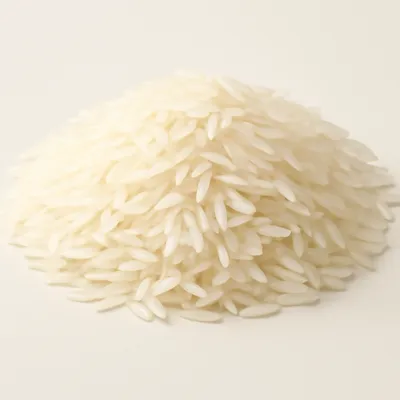
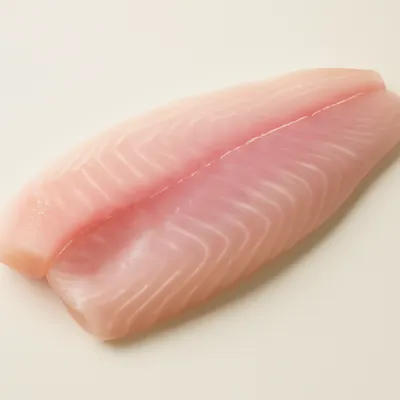
"Sang gun juk" means raw-rolled congee: a plain congee base is cooked ahead and kept at a rolling boil, and raw ingredients are cooked in it to order rather than simmered in from the start. The base itself depends on starch gelatinization — rice is simmered long and slow over low heat until the grains swell, burst and dissolve, their starch dispersing into the water and turning it into a thick, silky gruel. Cantonese cooks coax this along by soaking the rice one to four hours so it drinks its fill of water, or tossing it with a little oil and salt before cooking, so the grains break down faster and smoother. To serve, raw thin slices of shrimp and fish are dropped into the boiling base; because the slices are thin and the congee is genuinely boiling (around 100°C), the residual heat poaches them through in seconds to a minute or two, keeping them just-set and tender rather than tough — which is why the congee must be truly boiling and the slices truly thin. The crisp toppings — peanuts and fried dough stick — go in last, off the heat or at the table, so they stay crunchy; added early they soak up congee and go soft.
Variations
Today sampan congee is cooked in restaurant kitchens — the boat-vendor era is gone — but it keeps its Lizhiwan/Xiguan identity. Topping sets vary by house: beyond the core of fish slices, shredded jellyfish, fried peanuts and fried dough stick, shops may add shredded roast duck, squid, crab meat, pork skin (fu pei), egg threads or char siu, in the lavish "flowers on brocade" many-topping style. It belongs to the wider family of Cantonese sang gun juk (raw-rolled congees): kap dai juk is built on pork offal, and pei daan sau yuk juk on century egg and lean pork. What sets sampan congee apart is its mixed seafood-and-crunch topping and its rooted Xiguan/Lizhiwan identity rather than any single signature ingredient.
On the Palate
Where Sampan Congee sits in the Chinese flavor cloud
Ingredients
Serves 4

How it's made
6 steps · 30 min active + 1 hour 30 min waiting
- 190 min
Rinse the rice and soak it in water for one to four hours so it absorbs water and will break down easily; optionally toss the drained rice with a little oil and salt.
- 290 min
Bring a large pot of water to a boil, add the rice, return to a boil, then simmer over low heat, stirring now and then, for about an hour and a half until the grains dissolve into a smooth, silky base with no whole grains visible. Season lightly with salt.
Watch outSimmer low and slow about 1.5 hours until no whole grains are left and the base turns silky — the dissolved starch is what makes it congee, not rice soup.
- 320 min
While the base cooks, prep the toppings: slice the river shrimp and fish thinly, shred the jellyfish (soak and rinse first), fry the peanuts until crisp, cut the fried dough stick into small pieces, and slice the scallion and ginger.
- 42 min
Bring the congee base back to a hard rolling boil. Drop in the raw shrimp and fish slices and let them cook in the boiling congee for thirty seconds to a couple of minutes, just until set and opaque.
Watch outBring the base to a hard rolling boil before dropping in the raw seafood — it cooks in seconds, just to opaque, and stays tender.
- 51 min
Ladle the hot congee and just-cooked seafood into bowls.
- 61 min
Top each bowl at the last moment with shredded jellyfish, crisp fried peanuts, bits of fried dough stick, scallion and ginger (and any roast duck, squid or egg threads you like), and serve immediately while the toppings are still crunchy.
Watch outScatter the crisp toppings on at the very last moment — peanuts and fried dough go soft the instant they sit in the hot congee.
Archive tool suggestions — not reviewed
These legacy suggestions have not been evidence-reviewed and are not presented as required tools.


