Yellow catfish — called 黄辣丁 in Sichuan and Chongqing — is a small, scaleless freshwater fish prized for its silky flesh, rich fat layer, and near-boneless interior. The Sichuan preparation builds a deep crimson broth from doubanjiang and pickled chilies, slides whole fish in for just four to five minutes, then scatters fresh patchouli over the top to cut the heat with a clean herbal note. Few bones, meltingly tender meat, and a broth good enough to finish over rice: it is one of the defining river-fish dishes of the Chengdu basin.





Yellow catfish has been on Sichuan plates for at least two millennia. Red pottery figures of 黄辣丁 were found among burial goods in Eastern Han dynasty tombs at Xinjin county, near present-day Chengdu, documenting the fish as a common food in the 1st–2nd century CE. Northern Song literatus Su Zhe passed through Xinjin repeatedly and went out on the river himself to fish for them with a bamboo trap; his poem "Jisheng Pavilion" (《纪胜亭》) records the scene: "Cooking smoke drifts pale over the sandy shallows; fishing boats chase the trap across the current." The name encodes the fish's own anatomy: 黄 (yellow) for its golden skin; 辣 (burning) because the dorsal and pectoral spines inject a sharp, fire-hot sting when handled; 丁 (nail) for the spike-like tip of those spines. At Fengdu, Chongqing, a family tradition of cooking the fish — tracing back to the 1950s when Yu Yongwu developed his method on the banks of the Quxi River — was inscribed on the county intangible cultural heritage list in 2021.
Small fish arrive whole in a brick-red broth slicked with chili oil. Lift one with chopsticks — the flesh holds together but barely, white and boneless, melting at the softest pressure. The fat just under the skin has drunk the broth's má-là double act: the Sichuan peppercorn's electric buzz arrives first, then chili heat catches up a half-second later. Where patchouli has been added, a grassy, faintly camphorous sweetness rounds the bowl. Spoon the broth over white rice. That is the full meal.
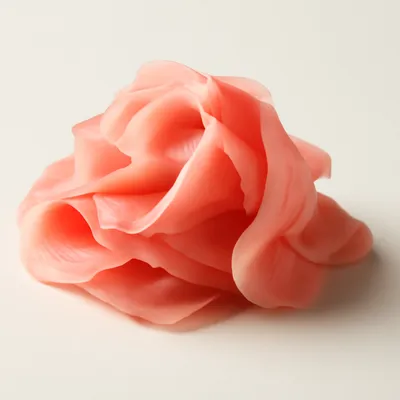
Yellow catfish has no scales, thin skin, and very fine flesh — it overcooks to chalky dryness in under ten minutes. The Sichuan technique sequences the work: doubanjiang and pickled chilies go into hot oil first and are stir-fried until the fat turns red and fragrant; water, pickled ginger, and Sichuan peppercorn follow and simmer to build depth into the broth before the fish ever touches it. Three to five minutes of gentle heat is the window; the flesh goes opaque and just firms. Patchouli must be added off-heat — its aromatic volatiles cook off in seconds, leaving only bitterness. The numbing sensation in the finished bowl is delivered by hydroxy-α-sanshool in Sichuan peppercorn, which fires mid-frequency vibration receptors in the lips at roughly 50 Hz — a physical tingle running beneath, rather than atop, the chili heat.
Variations
The pickled-chili version (泡椒黄辣丁) skips doubanjiang entirely and relies on pickled chilies and ginger for a paler, tangier, more acidic broth. The pickled-vegetable version (酸菜黄辣丁) uses aged sauerkraut as the primary souring agent, brighter and more refreshing — a favorite for summer. Chengdu hotpot restaurants serve 黄辣丁 as a dipping ingredient, taking perhaps ten seconds in boiling broth and eaten with a chili oil dip. The Fengdu (Chongqing) family-tradition style builds a milky-white bone broth from lard, old salted vegetables, and pickled ginger, foregrounding pure freshness over heat.
On the Palate
Where Spicy Yellow Catfish Broth sits in the Chinese flavor cloud
Ingredients
Serves 2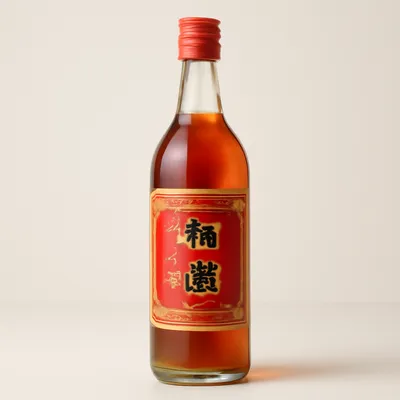

How it's made
6 steps · 20 min
- 110 min
Use scissors to clip off the three stinging spines on the dorsal and pectoral fins. Gut and rinse the fish thoroughly, then pat dry with paper towel. Rub all over with salt and Shaoxing wine. Set aside to marinate for 10 minutes.
- 23 min
Heat a wok over medium heat and add oil. Add the doubanjiang and stir-fry steadily, pressing against the wok, until the fat turns red and deeply fragrant, 2–3 minutes. Add the pickled chilies and pickled ginger; stir together for 1 minute.
Watch outPress the doubanjiang against the wok and fry steadily until the fat turns red and deeply fragrant — that red oil carries the whole broth.
- 311 min
Pour in 500ml water. Add the Sichuan peppercorn and smashed garlic. Bring to a rolling boil, then reduce to a steady simmer and cook for 10 minutes to build flavor into the broth.
- 42 min
Taste the broth and season with soy sauce, a small pinch of sugar, and white pepper. Adjust salt to taste.
- 55 min
Gently lower the marinated fish into the broth. Cook over medium-low heat for 4–5 minutes without stirring; carefully turn each fish once halfway through. The fish is done when the flesh is opaque and pulls cleanly away from the bone.
Watch outSlide the catfish in and don't stir — three to five minutes is the window; done the moment the flesh turns opaque and pulls cleanly from the bone, or it goes chalky.
- 64 min
Remove the wok from heat. Immediately scatter the fresh patchouli leaves across the surface. Ladle into bowls, finish with sliced scallion greens and a drizzle of chili oil, and serve at once.
Watch outScatter the patchouli only after the heat's off — its aroma cooks off in seconds and leaves only bitterness.


