The signature preserved food of Hainan's Li people: fresh fish is cured in salt, then layered with cooked highland rice, ginger, and garlic in a sealed clay jar and left to ferment at room temperature for ten days to a month. The lactic-acid fermentation produces a sour-saline-umami condiment of complex depth, eaten alongside plain rice.




The Li people, descendants of the Baiyue ethnic groups, migrated to Hainan Island approximately 3,000 years ago from Lingnan, bringing preserved-fish traditions with them. The dish was originally called yúzhǎ — a term documented by Eastern Han lexicographer Xu Shen in the Shuowen Jiezi (circa 100 CE) as 'the preservation of fish.' As the Li dialect pronunciation reached the wider coastal and inland Han population, the name shifted phonetically to yú chá (fish tea), losing all connection to the drink. Folk accounts attribute the dish's accidental invention to a post-harvest feast where leftover cooked rice and raw fish were sealed together and emerged days later transformed into a delicious fermented food.
A small spoonful delivers a jolt of sour funk followed by a lingering salty sweetness — the fish flesh softened almost to a melt, the fermented rice clinging in warm starchy clusters, the whole thing dissolving into an umami warmth that builds over seconds. Locals say it takes three tastes before the addiction sets in.
Fermentation is driven primarily by Lactobacillus plantarum and L. pentosus, which together account for over 68% of the microbial community by gene copy number, according to a 2017 peer-reviewed microbial diversity study of Li ethnic fish tea from Baisha and Baoting counties. These homofermentative bacteria consume cooked rice starch, producing lactic acid that progressively lowers the jar pH and suppresses spoilage organisms, while fish proteins are hydrolyzed into free amino acids. The 3–5% salt concentration draws moisture from the fish via osmosis, creating a self-basting brine that further inhibits pathogenic bacteria. Research identifies the empirical optimum fermentation period as 18 days, when total acid content stabilizes and free amino acids peak.
Variations
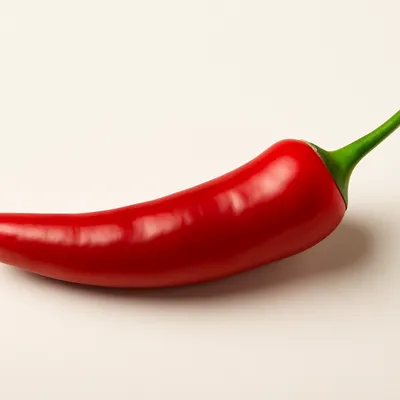
Dry fish tea uses cold cooked rice; wet fish tea uses congee for a softer, more liquid result. Protein variants include pork, fish belly, and premium beef skin (often made to order). Some households add fresh chili, garlic, and a splash of rice wine to accelerate fermentation and add complexity.
On the Palate
Where Li Fermented Fish (Yu Cha) sits in the Chinese flavor cloud
Ingredients
Serves 6How it's made
8 steps · 1 hour
- 115 min
Scale, gut, and rinse 1kg fresh fish (tilapia, grass carp, or local freshwater varieties); cut into 4cm pieces and pat completely dry.
- 2180 min
Rub fish pieces evenly with 40g coarse sea salt; leave to cure in a cool place for 3 hours so the salt draws out moisture.
Watch outSalt-cure the fish until it firms up and weeps out water — a wet, soft piece going into the jar risks spoiling the whole batch.
- 3120 min
Rinse cured fish under cold water to remove surface salt; air-dry on a rack for 2 hours until the surface is dry to the touch.
- 430 min
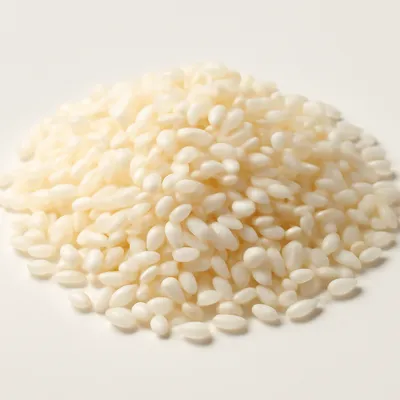
Cook 500g highland glutinous rice using a 1:1.1 water ratio; spread on a tray and cool completely — overnight cold rice gives the best fermentation results.
- 510 min
Combine the dried fish with cold cooked rice, 3 sliced ginger pieces, and 3 garlic cloves; toss gently until every piece of fish is coated with rice.
- 610 min
Pack the mixture firmly into a clean, dry glazed ceramic jar in alternating layers, pressing down hard after each layer to eliminate air pockets.
Watch outPress each layer down hard to force out every air pocket — trapped air lets mold in instead of the clean lactic sour you want.
- 714400 min
Seal the jar tightly with plastic wrap pressed directly onto the surface, then secure the lid; ferment at room temperature (22–28°C) for 10–18 days.
- 85 min
From day 10, open and taste; serve directly alongside plain rice, or pan-fry briefly for a milder flavor suitable for first-time tasters.
Watch outFrom day ten, taste before serving — you want a clean lactic tang; any off, rotten smell means it's spoiled, not fermented.


