The Northern-dialect naem: lacto-fermented pork mixed with cooked sticky rice, garlic, and salt, packed tight in banana leaf and left at room temperature two to three days until it turns clean-sour and the meat firms to a translucent springiness. In Lanna it is called jin som — 「jin」 is the Northern word for meat and 「som」 means sour — and it is eaten as a starter or snack, raw with raw garlic, chili, and herbs, or fried until the edges brown. It is the same fermentation principle as the Central Thai naem but carries the Northern name and tends to read drier and more garlic-forward.




Jin som is an old Lanna preserved meat with no fixed date, part of the wider mainland-Southeast-Asian family of rice-and-pork lacto-ferments that predate refrigeration — the same principle behind Central Thai naem, Lao som moo, and Vietnamese nem chua. The Northern name is the distinguishing mark: where Central Thais say naem, Lanna and Tai Yai (Shan) speakers say jin som, 「sour meat,」 using the Tai word 「jin」 for meat that runs through Northern and Shan dialects. It was a thrift food and a market snack rather than a banquet dish — a way to carry pork without ice — and the banana-leaf parcel is still sold by the piece across Chiang Mai and Lampang. It is the same dish as the existing Central naem in principle but is kept here as the distinctly Lanna jin som.
Cleanly, brightly sour — lactic like yogurt, not sharp like vinegar — with a dense, springy, faintly translucent bite where the pork has set. Raw garlic slices hit hot and pungent against the meat, whole bird chiles bring sudden heat, and the cooked sticky rice all but vanishes, leaving only its tang behind. Eaten raw it is firm and fresh; fried, the edges caramelize to deep brown and the funk concentrates into something rounder and savory-sweet — the same parcel can be two dishes. A good jin som smells sour-clean and looks evenly pink; sliminess or grey-green streaks mean the ferment went wrong, and it should be discarded.
The salt level is the safety gate: around 2 to 2.5% by weight is the window — too little and spoilage bacteria outpace the lactobacillus, too much and fermentation stalls. The cooked sticky rice is not filler but fuel: its gelatinized starch supplies readily fermentable glucose, so lactic-acid bacteria bloom fast and within roughly half a day drive the pH down past 4.5, the line below which most foodborne pathogens cannot grow — that acid drop, not heat, is what 「cooks」 the meat. The banana-leaf wrap and tight packing force an anaerobic, low-oxygen environment that favors lactobacillus over surface molds. Kneading the mince hard before wrapping extracts myosin, the muscle protein that binds the loaf into one springy mass; skip it and the jin som crumbles. Warm weather speeds the ferment, cool weather slows it, so Northern cooks read the season rather than a clock.
Variations
Raw versus fried is the everyday split — fried jin som with garlic and chili is a classic drinking snack. Some Lanna versions work the fermented meat into a salad (yam) with shallot, peanut, ginger, and herbs; others pound it into a fried-rice ball salad. Pork skin is often added for a gelatinous chew. Chiang Mai and Lampang renditions tend drier and more chile-forward than the softer, more sour lowland naem. Commercial vacuum-packed versions ship nationwide, though market parcels in banana leaf are prized as fresher.
On the Palate
Where Jin Som sits in the Thai flavor cloud
Ingredients
Serves 6How it's made
7 steps · 30 min active + 10 min waiting
- 18 min
Mince lean pork with a little pork skin and trim away excess fat.
- 23 min
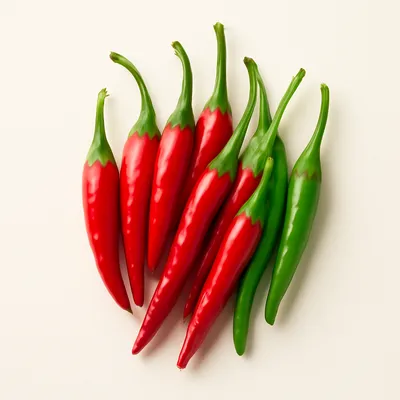
Weigh the meat and add salt at roughly 2 to 2.5 percent of its weight, with pounded garlic and whole bird chiles.
Watch outWeigh the salt to the meat — around two to two and a half percent is the safety line: too little and it spoils, too much and the souring stalls.
- 38 min
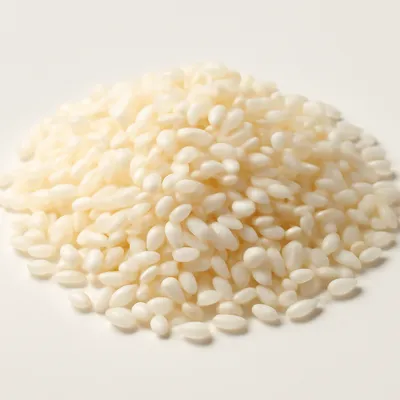
Mix in cooked, cooled sticky rice and knead the mixture hard until it turns tacky and binds into one springy mass.
Watch outKnead until the mince turns tacky and pulls together as one springy mass — that stickiness is the bind that holds the sausage; underworked meat crumbles.
- 46 min
Pack the mixture tightly into banana-leaf parcels, pressing out air, and wrap snugly so it stays anaerobic.
- 53 min
Leave at warm room temperature 2 to 3 days, checking by smell and firmness, until cleanly sour and set.
Watch outJudge it done by a clean sour smell and firm set, not the clock — sour-and-fresh means the acid has dropped safely; any off or rotten note means toss it.
- 62 min
Unwrap and eat raw with raw garlic, chili, and herbs, or pan-fry until the edges brown.
- 71 min
Refrigerate once soured to slow further fermentation.