
Freshwater fish packed with cooked rice, garlic and salt and left to ferment just a few days until it turns gently sour, then fried golden and crisp. Pla som is a short ferment, not a hard-cured one — the sourness is clean and tangy rather than deeply pungent — and the fish is always cooked before eating. Out of the pan it is crackling-edged, savory and lightly funky, with garlic browned all through it. It is an Isaan staple eaten with sticky rice, raw vegetables and a chili dip.

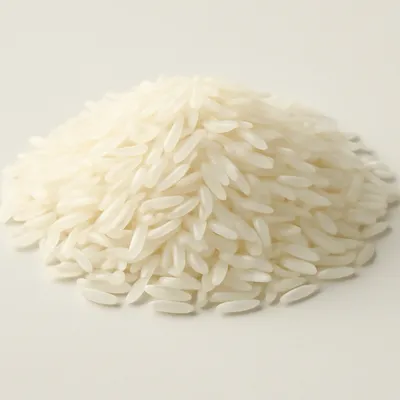


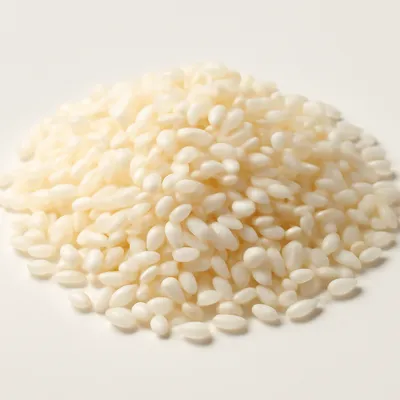
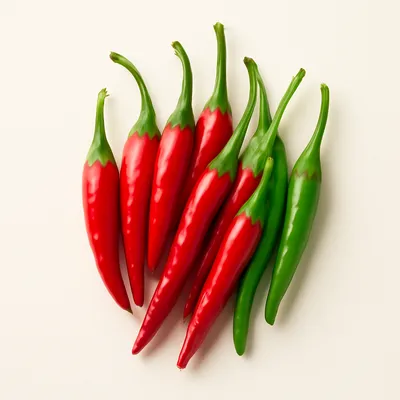
Pla som is rice-country preservation from Isaan and Laos, where freshwater fish was abundant and a few days' souring kept a catch usable in the heat before refrigeration. The name reads plainly: pla is fish, som is sour. It sits between fresh fish and the region's long-fermented pla ra — a quick, mild lacto-ferment rather than a months-long one — which is why it stays tangy-clean and is fried like fresh fish. It is old folk food with no fixed date, one of a whole family of Isaan-Lao soured and fermented fish that anchor the northeastern table.
A crackling, deep-gold crust giving way to firm, flaky white flesh inside. The taste is savory and lightly tangy — a clean lactic sourness, far gentler than the funk of long-fermented fish — with browned garlic carried all through the meat and a salty edge from the cure. Fried hard, the thin parts go shatter-crisp while the thick fillet stays moist. Pulled apart by hand and eaten with sticky rice and a sour-hot chili dip, it is rich, faintly funky, and deeply more-ish.
The souring is lactic-acid fermentation. Mixed with cooked rice, garlic and salt and packed tight away from air, the fish hosts lactic-acid bacteria that feed on the rice starch and sugars and produce lactic acid; that acid drops the pH, which both preserves the fish and gives the clean tang, while enzymes and microbes break some proteins down for a rounder, savory flavor. The salt selects for the right bacteria and holds spoilage organisms back; the rice is the fermentable fuel. Because this is a short, low-acid ferment that does not fully cook or sterilize the fish, pla som is always fried before eating — the hot oil cooks the flesh through and crisps the surface, and the marinade sugars and browned garlic build the savory crust.
Variations
Made with carp, tilapia, snakehead or other freshwater fish, whole-small or in fillets; some cooks pack it as a quick pla som than (the same souring done in a day or two). Beyond plain frying it is shredded into a salad or simmered, and sour pork (naem) and sour rice-and-pork (som moo) are the land-animal cousins of the same lacto-soured idea. Garlic, rice and salt are constant; the souring window and the heat of the dip vary by cook.
On the Palate
Where Pla Som sits in the Thai flavor cloud
Ingredients
Serves 4
How it's made
7 steps · 30 min active + 2 days 1 hour 40 min waiting
- 110 min
Clean and butterfly or fillet the freshwater fish and pat dry.
- 28 min
Mix cooked jasmine rice with pounded garlic and salt, then coat the fish thoroughly inside and out.
- 35 min
Pack the fish tight into a clean jar or bag, press out the air, and seal.
- 42880 min
Ferment at warm room temperature for two to three days until it smells and tastes pleasantly sour.
Watch outIt's ready when it smells cleanly sour, not rotten — two to three warm days; sour tang means the lactic ferment took.
- 54 min
Scrape off most of the rice and pat the fish dry.
- 610 min
Heat oil in a wok and fry the fish until deep golden and crisp, turning once.
Watch outFry until deep golden and crisp — this ferment doesn't fully cook the fish, so the frying is what makes it safe to eat.
- 73 min
Drain and serve with sticky rice, raw vegetables and a chili dip.


