
Pla ra is the funky fermented freshwater fish that anchors the Isaan pantry — the region's answer to fish sauce, but thicker, darker, and far more pungent. Whole small fish are salted, packed with toasted rice bran, and left to ripen in clay pots for months or years until they break down into a grey-brown mash of soft flesh, bones, and brine. A spoonful seasons som tum, larb, jaew, and bamboo-shoot soups; for outsiders the smell is confronting, but it carries a depth of savouriness no bottled sauce reaches. It is eaten cooked into a dish rather than raw.


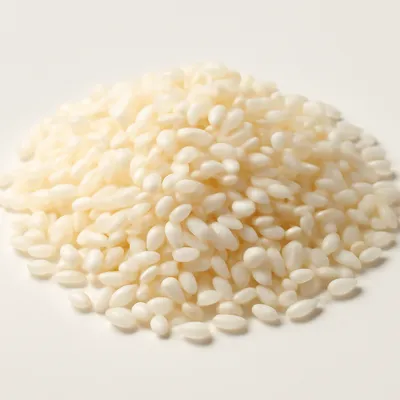
Pla ra is one of the oldest preservation methods on the Khorat Plateau, where a long dry season and seasonal floods left households needing to bank the rainy-season fish catch. The technique is shared across the Lao-speaking world on both banks of the Mekong; in Laos the close cousin is padaek, made looser and often with larger fish. Snakehead and various catfish are the classic raw material. There is no fixed founding date — it predates modern borders and is best understood as a folk staple of the Mekong basin rather than an invention of any one cook or court.
Raw from the pot it is grey, soft, and aggressively pungent, the salt sharp and the funk barnyard-deep. Cooked into a som tum dressing or simmered for jaew, that rawness mellows into a round, lingering savouriness — salty, faintly sour, with a back-of-the-tongue meatiness that coats everything. A little goes a long way; too much and a dish turns flat and over-salty.
Fermentation runs in two stages. Salted fish first cures under brine for several months, where salt-tolerant bacteria such as Tetragenococcus and Pediococcus dominate and the flesh begins to soften. Toasted rice bran is then mixed in and the pots resealed, feeding Lactobacillus and pushing the slow breakdown further. Throughout, the fish's own enzymes and microbial action cleave proteins into free amino acids — above all glutamate, the molecule of savoury taste — which is why pla ra reads as pure umami. The high salt is what keeps spoilage organisms out across that long ripening.
Variations
Pla ra sapb is the pot mash strained and reboiled into a smoother seasoning sauce. Some makers use a heavier hand of rice bran for a darker, sweeter funk; others use roasted rice powder instead. The Lao padaek is the loose, brine-forward sibling. Bottled, pasteurised pla ra is now sold for export, milder and food-safe but less alive than a real fermenting pot.
On the Palate
Where Pla Ra sits in the Thai flavor cloud
Ingredients
Serves 40How it's made
6 steps · 45 min
- 115 min
Scale and gut small freshwater fish, rinse well, and drain.
- 210 min
Toss the fish thoroughly with coarse salt at roughly one part salt to three or four parts fish.
Watch outUse enough coarse salt — roughly one part salt to three or four of fish; too little and spoilage takes hold instead of a clean ferment.
- 315 min
Pack tightly into a clean clay or glass jar, cover with brine, seal, and leave to cure for about three months.
- 415 min
Drain off excess liquid, mix the fish with toasted rice bran or roasted rice powder, and repack into the jar.
- 55 min
Reseal and ferment for at least two more months — longer for deeper flavour, up to a year or more.
- 65 min
To use, scoop out what you need; never eat raw — boil it into a dressing or simmer into a dip before serving.
Watch outNever eat it raw — always boil it into a dressing or simmer into a dip first; this is a food-safety must, not a preference.


