A fermented river-fish specialty of Laibin's Miao and Yao communities: fresh fish are rubbed with coarse salt, coated in red koji rice paste, and sealed in clay jars for ten to fifteen days. The flesh turns deep crimson and develops an intense sour-umami aroma that keeps for months; pan-fried before serving, the skin crisps while the interior stays silkily tender.


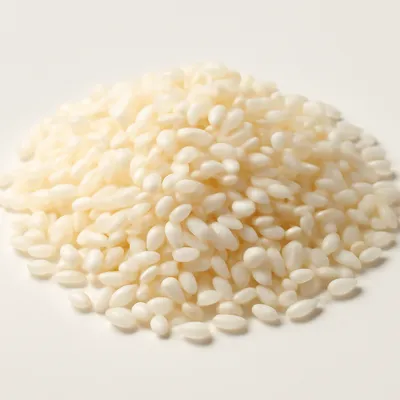


The Miao and Yao communities of Laibin's highland districts developed red-yeast sour fish as a practical preservation technology for regions where fresh food spoiled quickly in the subtropical heat. Southwestern minority groups' practice of fermenting fish in salted vessels is well documented, and the Laibin variant distinguishes itself by adding red koji rice to the brine—which simultaneously produces the vivid crimson color and deploys Monascus fungi's antimicrobial metabolites to extend shelf life by months, an effective answer to summer food insecurity in the hills. The red koji technique was further consolidated by trade contacts between the Laibin basin and Fujian-origin merchants who brought red yeast cultivation southward during the Qing dynasty.
Pan-fried skin cracks with a gentle pressure, releasing a toasty red-koji fragrance; the white flesh underneath is tender, its lactic sourness mellow rather than sharp, carrying a faint ester sweetness from fermentation—the whole thing is profoundly rice-worthy, deeply savory with a clean finish.
Red-yeast sour fish fermentation is driven by two microbial actors working in concert. Red koji rice introduces Monascus fungi, whose metabolic pigments—monascin and rubropunctatin among other quinone-class compounds—stain the flesh a deep crimson. Simultaneously, naturally present lactic acid bacteria ferment the rice carbohydrates into lactic acid, pulling the jar's pH to around 4.5 and inhibiting spoilage and pathogenic microbes. Cathepsins in the fish muscle and Monascus-secreted proteases together hydrolyze myoproteins into free amino acids (glutamate, alanine) that build layered umami; lipid esterification converts fats into floral ester compounds responsible for the characteristic fermented bouquet.
Variations
Miao households often use plain glutinous rice lees rather than red koji, yielding pale fish with a milder funk; Yao families incorporate ground chili in the jar, producing a fiery-sour result. Some households add a final cold-smoke step after fermentation, extending shelf life further and deepening the flavor profile.
On the Palate
Where Laibin Red Yeast Sour Fish sits in the Chinese flavor cloud
Ingredients
Serves 4
How it's made
7 steps · 55 min
- 115 min
Clean and salt: Scale and gut fish; rinse and pat dry. Rub generously inside and out with coarse salt; let sit 2 hours to draw out moisture and firm the flesh.
Watch outSalt the fish and rest two hours until the flesh firms — this draws out moisture so the ferment sets deep instead of the fish rotting.
- 2300 min
Air-dry: Hang fish or rest on a rack in a ventilated, shaded spot for 4 to 6 hours until the surface is slightly dry to the touch.
- 310 min
Mix red koji paste: Grind red koji rice to a coarse powder; combine with cooked glutinous rice, remaining salt, and a splash of baijiu; stir into a thick reddish paste.
- 415 min
Coat and layer: Coat each fish inside the cavity and all over the exterior with a thick layer of red koji paste. Stack fish in a ceramic jar, sprinkling a little salt between each layer; top with a heavy stone weight and pour remaining baijiu over.
- 514400 min
Seal and ferment: Cover jar mouth tightly with bamboo leaves and tie with rope; store in a cool, shaded place. Ferment 10 to 15 days until fish turns deep crimson and smells sharply sour-fragrant.
Watch outFerment ten to fifteen days until the flesh goes deep crimson and smells sharply sour-fragrant — that color and aroma mean it's ready.
- 65 min
Open and inspect: Lift the weight and remove fish; flesh should be a deep carmine-red throughout. Use immediately or refrigerate up to 3 months.
- 710 min
Pan-fry to serve: Heat oil in a pan over medium heat; fry fish 3 to 4 minutes per side until skin is golden-crisp and heated through. Serve with steamed rice.


