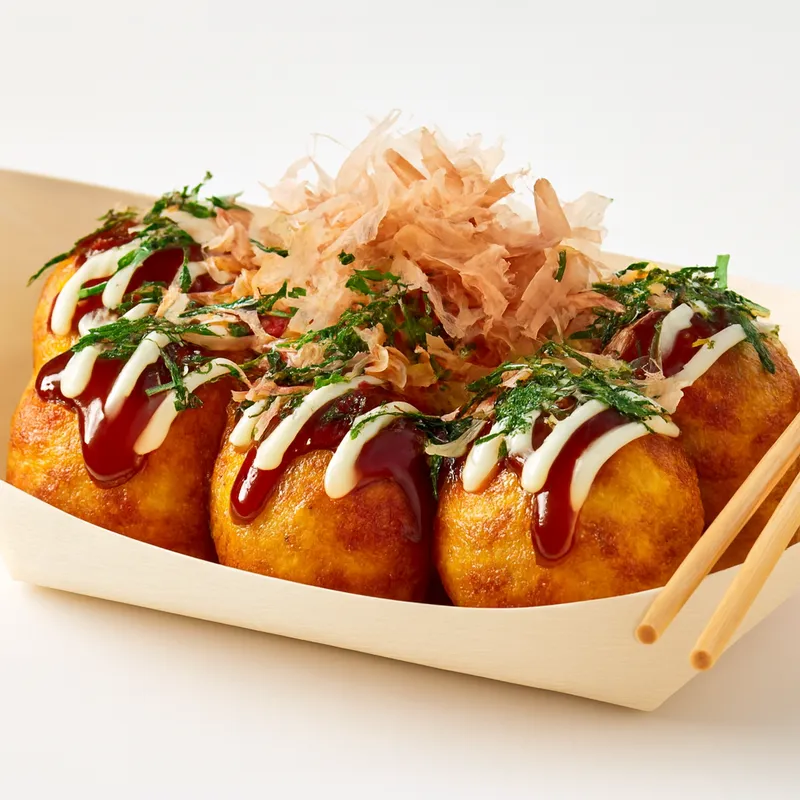
Hatahata-zushi is a fermented rice-and-fish preparation from Akita, made from sandfish layered with koji rice and left to ripen for weeks. Sandfish are salted, then steeped in vinegar, and packed in a wooden tub between layers of cooked rice mixed with rice koji, with carrot, yuzu and sea-vegetable funori, and weighted to ferment in the cold. The koji and the cold ferment turn out fish that is tender and tangy, savory and gently sweet, threaded with citrus. A celebratory winter food of Akita, it is set out for New Year and special occasions and counts among the izushi family of lightly fermented sushi.


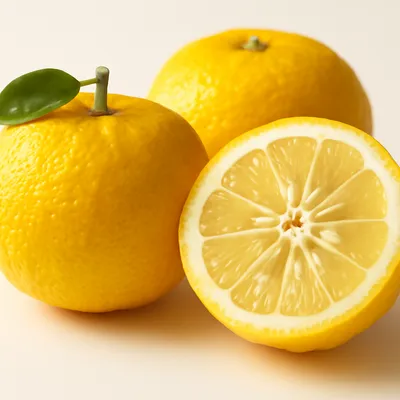
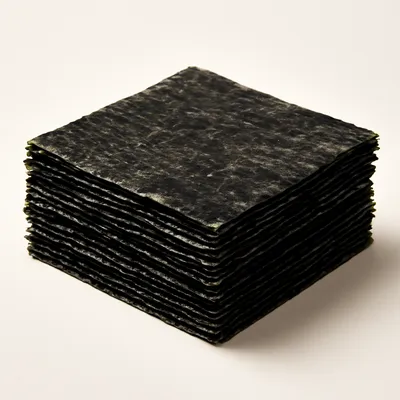
Hatahata-zushi belongs to Akita, where the sandfish (hatahata) is the prefecture's emblematic fish, hauled in by the netful when it spawns along the coast in the late-autumn cold and sung about in the local folk song Akita Ondo. The dish is an izushi, a northern style of fermented sushi that packs fish with cooked rice and rice koji and ripens it; it has long been a celebratory food eaten across social ranks, set out as a New Year offering. A frequently cited record of hatahata-zushi being presented to the Kubota domain in 1602 is taken locally to mean the dish was already established by then, though the precise early history is not firmly documented. Its survival has tracked the fish itself: when sandfish catches collapsed in the 1990s, Akita imposed a multi-year voluntary fishing ban, and as the stock recovered so did the home-making of the dish.
The fish comes out tender and yielding, not raw and not cooked but cured-soft, with a clean lactic tang from the ferment rather than any strong fishy edge. Under it the koji rice has gone savory and faintly sweet, a little fizzy and sticky, and the whole is brightened by threads of yuzu peel and the gentle crunch of carrot. The flavor is layered and a touch funky in the best way — sour, salty, umami-rich and sweet at once — milder and more delicate than the pungent fully-fermented narezushi of the south. It eats cold, in small celebratory portions.
Fermentation does the cooking here, without heat. Rice koji — steamed rice grown with the mold Aspergillus oryzae — carries enzymes that drive the dish: proteases break the sandfish protein down into amino acids, building deep savory umami and softening the flesh, while amylases convert the rice starch into sugars, feeding lactic-acid bacteria that acidify the pack. The accumulating acid, together with the salt from the initial salting and the vinegar steep, drops the pH low enough to preserve the fish and hold off spoilage microbes through a weeks-long ripen in the cold, where the low temperature keeps the ferment slow and clean. Layering fish with the koji rice and weighting the tub keeps everything in close, oxygen-poor contact so the lactic ferment dominates. The yuzu and funori add aroma and texture; sandfish is favored partly for its delicate, low-fat flesh, which takes the cure cleanly.
Variations
Recipes vary by household and town along the Akita coast: some use only sandfish, others a mix that includes other fish; the proportion of koji, the sweetness and the saltiness are each family's own. Whole small sandfish may be packed entire, head and bones softening through the ferment, or filleted for a milder result. Common additions are carrot, kelp, yuzu and funori, and the ripening runs from a few weeks to longer in colder storage. Hatahata-zushi sits within the broad izushi family alongside the fermented sushi of Hokkaido and the wider Tohoku coast.
On the Palate
Where Hatahata Zushi sits in the Japanese flavor cloud
Ingredients
Serves 8

How it's made
6 steps · 2 hours
- 11440 min
Gut and clean the sandfish, salt them well, and leave them to draw and firm for a day or more in the cold.
Watch outSalt the sandfish well and leave them a day or more to draw and firm — this first salting pulls out the water and sets the stage for the acid cure that preserves them.
- 2720 min
Rinse off the salt and steep the fish in vinegar to acidify and season the flesh.
- 340 min
Cook rice, cool it, and mix it thoroughly with rice koji.
- 460 min
Line a wooden tub with bamboo leaves and build alternating layers of koji rice and sandfish, scattering in carrot, yuzu peel and funori.
- 530240 min
Cover with a drop-lid, set a heavy weight on top, and leave to ferment in a cold place for about three weeks.
Watch outWeight it under a drop-lid and ferment cold about three weeks — the cold and the accumulating acid preserve the fish; rush it warm and it spoils instead of ripening.
- 610 min
When the fish has turned tender and tangy and the rice savory, lift out portions and serve cold.
Archive tool suggestions — not reviewed
These legacy suggestions have not been evidence-reviewed and are not presented as required tools.