
A Kanazawa New Year delicacy of the old Kaga domain: thick rounds of salted turnip (kabura) are split and stuffed with a slice of salt-cured yellowtail (buri), then packed into a sweet rice-koji bed and left to ferment for one to two weeks. It is a type of narezushi—the koji and rice ferment to flavor and preserve the fish and turnip, which are what you eat; there is no vinegared rice. Often garnished in the bed with slivered carrot, red chili, and yuzu peel, it emerges mild and tangy, sweet and faintly cheesy from lactic fermentation, the turnip yielding and the fish silky. Served sliced as a cold delicacy, it is a centerpiece of Kanazawa's winter and New Year table.
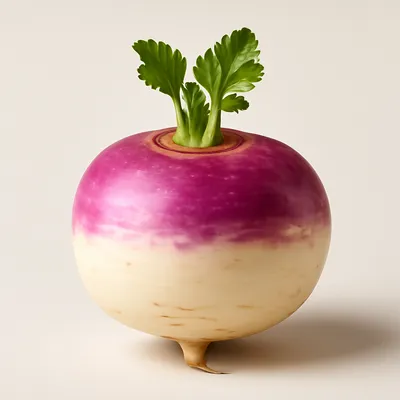


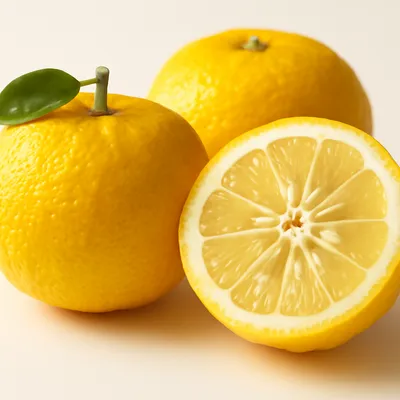
Kabura-zushi belongs to the food culture of the former Kaga domain, centered on Kanazawa and Ishikawa's Kaga region but made widely across western Toyama as well. As a winter preserved food and New Year dish, it is documented as a household tradition with recipes varying family to family, and the Ministry of Agriculture lists it among Ishikawa's official local dishes. Historically the turnip and yellowtail were seasonal and costly, so the cheaper daikon-and-dried-herring version, daikon-zushi, spread more widely and across a longer season; kabura-zushi was the more prized form. In the Kaga domain such koji-fermented sushi were eaten by samurai and commoners alike and used as year-end gifts and tokens of hospitality. In Toyama, mackerel, salmon, or trout are sometimes used in place of yellowtail, though Himi buri has become increasingly favored.
Cold from the koji bed, a slice shows pale turnip wrapped around a rosy ribbon of fish. The turnip is tender and slightly translucent, no longer raw-crisp but not collapsed, faintly sweet and softly sour. The yellowtail is silky and dense, its richness mellowed and deepened by curing. Over it all runs the koji: a gentle, sweet-sour tang with a whisper of fermented funk—almost cheese-like, almost amazake-sweet—lifted by a thread of yuzu fragrance and a low warmth from the chili. It is savory and clean rather than sharp, the kind of complexity that comes only from time.
The dish is built on a koji-driven double process. Aspergillus oryzae on the steamed rice releases amylase enzymes that break the rice starch into sugars (the same saccharification that makes amazake sweet); those sugars then feed lactic-acid bacteria, which sour the bed. In a traditional ferment the lactic bacteria reach upward of 10⁸ colony-forming units per gram and lactic acid rises to roughly 1.5-2.0%, on the order of cultured dairy—this acidity plus the salt suppresses spoilage organisms and preserves the fish without cooking. Salting is done in two stages and matters: the turnip is salt-pressed for about a week to draw out water and firm its texture, and the yellowtail is salt-cured separately—sometimes for weeks—until its moisture and any raw odor are gone and the flesh turns supple. Koji proteases also break fish and turnip proteins into amino acids, building umami and the savory-sweet depth. The pack is weighted and held cool, around 10-15°C, for one to two weeks: too warm turns it sour and sharp, too cold stalls the ferment. The faint cheese-like aroma comes from this same protein-and-acid chemistry that underlies aged dairy.
Variations
The most cited contrast is with daikon-zushi, the everyday version using daikon and dried herring rather than turnip and yellowtail—cheaper, and historically more widespread. Within kabura-zushi, families differ in koji sweetness, the amount of chili and yuzu, and the inclusion of slivered carrot or kombu in the bed. Toyama versions may swap in mackerel, salmon, or trout, while Ishikawa leans to buri; Himi yellowtail is especially prized. Curing and fermenting times vary with the season and the maker's taste, from a quick week to a longer, funkier two-plus weeks. It is always served cold and sliced, as a delicacy rather than a main.
On the Palate
Where Kabura-zushi sits in the Japanese flavor cloud
Ingredients
Serves 8

How it's made
7 steps · 1 hour
- 110080 min
Cut the turnip into thick rounds about 4cm tall, top and bottom trimmed, and make a deep horizontal slit through each (a pocket), leaving the back attached. Salt-press the turnips under a weight for about a week, then drain.
Watch outSalt-press the turnips a full week to draw out their water — under-drawn, the fermenting bed goes watery and the ferment can turn instead of souring cleanly.
- 21440 min
Slice yellowtail to fit the pockets and salt-cure it separately until firm and free of raw odor, from several days up to a few weeks; rinse and pat dry before use.
- 31440 min
Make the koji bed: mix steamed short-grain rice with rice koji and keep warm around 60°C for a day so it saccharifies to a sweet, loose porridge; cool.
Watch outHold the koji-and-rice bed around 60 degrees for a day until it saccharifies to a sweet, loose porridge — too cold and it won't sweeten; too hot and you kill the enzymes.
- 48 min
Tuck a slice of cured yellowtail into each turnip pocket.
- 512 min
Spread a layer of koji bed in a tub, lay in the stuffed turnips, scatter slivered carrot, red chili, and yuzu peel, then cover with more koji bed; repeat in layers.
- 614400 min
Weight the surface and ferment in a cool place around 10-15°C for one to two weeks, until pleasantly tangy.
Watch outFerment cool, around 10 to 15 degrees, one to two weeks until pleasantly tangy — that controlled sour is the lactic acid preserving the fish; too warm and it spoils instead.
- 75 min
Lift out, brush off excess koji, and slice to serve cold.
Archive tool suggestions — not reviewed
These legacy suggestions have not been evidence-reviewed and are not presented as required tools.


