
The signature winter pickle of Nagano: long leafy stalks of nozawana, a turnip-green relative grown in the cold north of the prefecture, salted whole and lacto-fermented into a crisp, savory-sour green pickle. Named for the hot-spring village of Nozawa Onsen, the greens are harvested in late autumn, traditionally washed in the village's hot-spring water, and packed into barrels with salt to ferment through the snowbound winter. Eaten with rice, chopped into oyaki fillings, or stir-fried, nozawana-zuke is one of Japan's three great regional pickled greens.
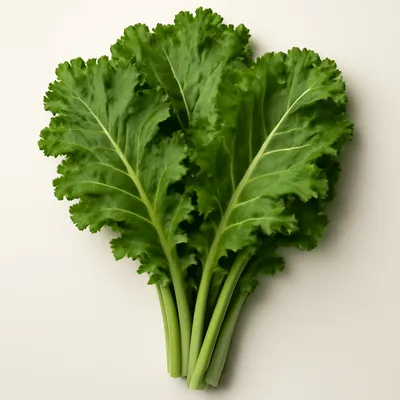


Nozawana takes its name from Nozawa Onsen in northern Nagano. Local tradition holds that around 260 years ago a priest of the village's Kenmei-ji temple brought back seeds of the Tennoji-kabu turnip from Kyoto-Osaka, and that the plant adapted to the cold highland climate into the leaf-vegetable now grown for its greens — though this origin is folklore and botanical studies have questioned the direct descent. The pickle developed as a way to preserve a large autumn harvest of leafy greens through a long, snowbound winter when fresh vegetables were scarce. Washing the harvested greens in the village's hot springs is a celebrated local custom.
Crisp stalks and tender leaves with a clean, bright sourness from the fermentation and a savory saltiness underneath; well-aged barrels develop a deeper, funkier tang. The texture stays snappy rather than soft. Fresh-pickled (asazuke) batches are greener and milder; long-fermented ones turn amber-green and more pungent. It is a cleansing, palate-resetting bite alongside rich rice-table food.
This is true lacto-fermentation: salt draws water from the greens and suppresses spoilage organisms while salt-tolerant lactic-acid bacteria ferment the leaf sugars into lactic acid, which lowers the pH, preserves the vegetable, and builds the sour flavor. The cold of the Nagano winter slows the ferment, giving a long, even cure and the crisp texture; warmer, shorter pickling yields the milder asazuke style. Keeping the greens submerged under their own brine and a weighted lid excludes air and keeps the ferment clean.
Variations
Asazuke (lightly, quickly pickled) is fresh, green, and mild; honzuke (long-barrel-fermented) is amber and pungent. The pickle is also chopped and stir-fried with soy and chili (nozawana itame), used as oyaki filling, or mixed into rice and ochazuke. Nozawana sits with Hiroshima's hiroshimana and Kyushu's takana as one of Japan's three famous leaf-pickle greens.
On the Palate
Where Nozawana-zuke sits in the Japanese flavor cloud
Ingredients
Serves 8How it's made
7 steps · 40 min
- 110 min
Harvest or buy long-stalked nozawana greens in late autumn; trim and wash them thoroughly.
- 25 min
Weigh the greens and prepare salt at roughly the traditional ratio for fermentation.
- 310 min
Layer the whole greens into a clean barrel or tub, sprinkling salt between layers, with kombu and dried chili if desired.
- 43 min
Lay a flat lid (otoshibuta) over the greens and set a heavy weight on top to press them.
Watch outWeight the lid heavily enough that within a day the greens are pressed down and their own brine is beginning to well up over them — too light a stone and no brine rises to seal out air.
- 52 min
Leave to ferment in a cool place; within a day or two brine rises and covers the greens — keep them submerged.
Watch outKeep every leaf under the brine the whole ferment — anything floating above the surface grows mold and turns the whole batch off.
- 65 min
For asazuke, eat within a few days while green and mild; for honzuke, ferment for several weeks until amber and tangy.
- 75 min
Rinse lightly, cut into bite lengths, and serve with rice; or chop for stir-frying or oyaki filling.
Archive tool suggestions — not reviewed
These legacy suggestions have not been evidence-reviewed and are not presented as required tools.


