A Kyushu pickle of takana mustard greens fermented in salt — crisp, salty, with the distinctive pungent, slightly bitter bite of mustard green. The most iconic version is from Kyushu, where it is served with ramen, chopped finely as a ramen topping, or stir-fried with rice. A traditional tsukemono that is also a key ingredient in many Kyushu dishes.
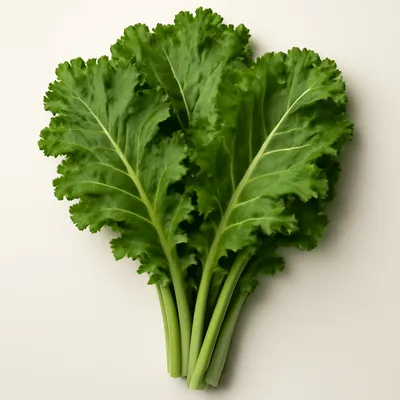

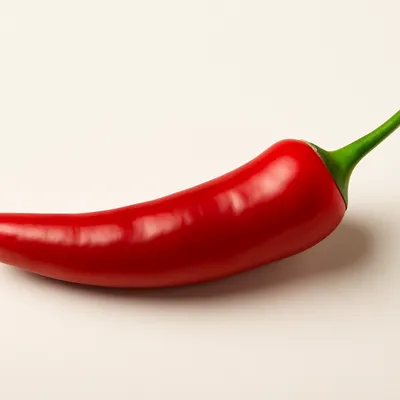

Takanazuke is the pickle of Kyushu, particularly associated with Kumamoto, Fukuoka, and the broader Kyushu region. The takana mustard green (Brassica juncea, var. takana) has been cultivated in Kyushu since the Edo period; its thick, crisp leaves are ideal for salt fermentation. The pickle became a regional specialty and a defining condiment of Kyushu cuisine — served alongside ramen (especially Hakata ramen), stir-fried (takana-meshi, mixed with rice), or as a side. The pickle is also exported as a packaged product and is widely available across Japan.
A small mound of chopped takanazuke is vivid green, flecked with red chili and sometimes sesame. The bite is crisp and salty, with a sharp, mustard-green pungency that is slightly bitter and warming. The flavor is intense — a little goes a long way. Eaten as a ramen topping, mixed into rice, or alongside plain rice as a side.
Takanazuke is a lactic-acid fermentation of mustard greens. Fresh takana leaves are washed, salted heavily (typically 8-10% of weight), and packed tightly into a crock. Lactic acid bacteria ferment the leaves' sugars over 1-2 weeks, producing lactic acid that lowers pH, preserves the greens, and contributes the sour note. The salt also breaks down the mustard greens' pungent compounds (glucosinolates), mellowing the bite slightly while retaining the characteristic mustard flavor. Chili and other flavorings may be added. The pickle keeps for weeks refrigerated.
Variations
Karashi-takana (with chili) is common; takana-meshi is stir-fried with rice; some versions are soy-marinated.
On the Palate
Where Takanazuke sits in the Japanese flavor cloud
Ingredients
Serves 8How it's made
6 steps · 15 min
- 18 min
Wash takana mustard greens thoroughly; drain.
- 27 min
Salt heavily (8-10% of vegetable weight); massage salt into the leaves.
Watch outSalt heavily at about a tenth of the greens' weight and massage it in — enough salt steers the ferment sour and safe; too little and it rots instead of pickling.
- 35 min
Pack tightly into a pickle crock; weight with a drop lid and stone.
- 41 min
Ferment in a cool place for 1-2 weeks until sour and crisp.
Watch outFerment cool 1-2 weeks until it smells clean-sour and stays crisp — a slimy texture or off smell means it's spoiled, not ready.
- 55 min
Optionally season with chili, sesame oil, or soy after fermentation.
- 61 min
Chop finely; serve with ramen, rice, or as a side.


