
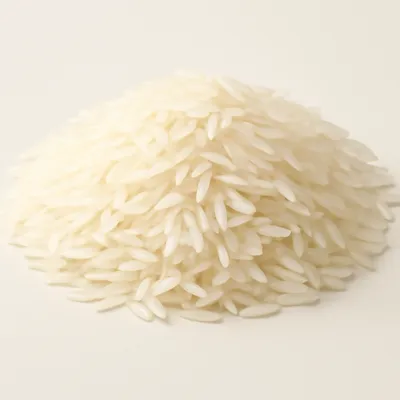
Fermented soybeans bound in long, sticky, cobweb-like strands with a pungent aroma and deep savory funk. A quintessential Japanese breakfast, it is stirred vigorously to develop its threads, seasoned with soy sauce and karashi mustard, and spooned over hot rice with a raw egg or chopped scallion.





An ancient Japanese fermented food whose production was traditionally centered in the Mito area of Ibaraki Prefecture; modern natto is fermented with the cultured bacterium Bacillus subtilis var. natto.
The aroma hits first, ammoniac and earthy, before the beans give a tender pop and an intensely savory, almost cheesy depth. Over rice with mustard and soy it turns mellow, slippery and oddly addictive.
Bacillus subtilis breaks down soybean proteins into amino acids (huge glutamate-driven umami) and secretes polyglutamic acid, the polymer responsible for the signature sticky, stringy threads. Warmth and oxygen are essential for the aerobic bacteria to thrive.
Variations
with raw egg and scallion, hikiwari (minced) natto, natto in maki rolls, natto with grated daikon, natto toast
On the Palate
Where Natto sits in the Japanese flavor cloud
Ingredients
Serves 4How it's made
8 steps · 30 min
- 110 min
Soak dried soybeans overnight until fully swollen.
- 210 min
Boil or steam the beans until soft enough to crush easily between fingers.
Watch outBoil the beans until one crushes to paste between two fingers — any firmer and the culture can't take hold.
- 35 min
While still hot, mix the beans with a small amount of natto starter culture.
Watch outMix in the starter while the beans are still hot — this is the aerobic bacteria's window; let them cool first and it stalls.
- 45 min
Spread the inoculated beans thinly in a shallow tray and cover loosely to allow airflow.
- 55 min
Ferment in a warm spot around 40 degrees Celsius for about 24 hours until sticky threads form.
Watch outKeep it warm around forty degrees and loosely covered — done when thick sticky threads pull up on the spoon.
- 65 min
Refrigerate overnight to mature the flavor and firm the texture.
- 73 min
To serve, stir vigorously until thick white strands appear.
- 82 min
Season with soy sauce and karashi mustard and spoon over hot rice.


