
A simmered dish of chicken and root vegetables from northern Kyushu — lotus root, gobo (burdock), carrot, taro, konnyaku, and dried shiitake cut into bite-size pieces, first stir-fried in oil, then simmered in a dashi broth seasoned with soy sauce, mirin, and a little sugar until the liquid reduces and each piece is deeply flavored. Unlike a plain nimono, the initial frying is part of its character. In its home prefecture of Fukuoka it is called gameni; elsewhere it is widely known as chikuzenni, and as a long-keeping dish it is a standard of New Year osechi.


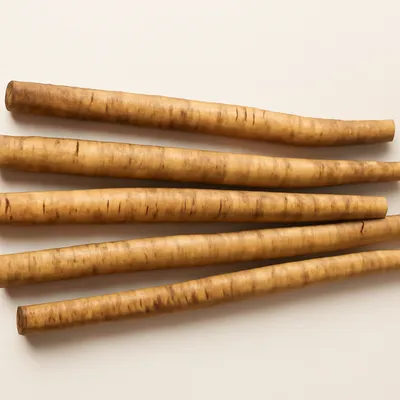

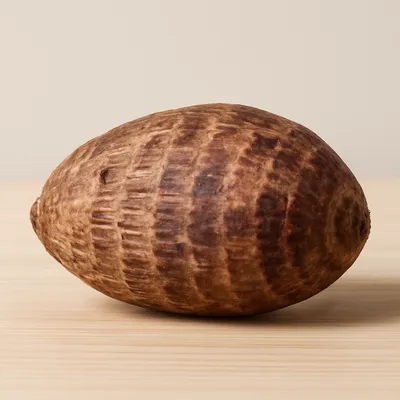

The dish is named for the old Chikuzen Province, which makes up part of present-day Fukuoka Prefecture in northern Kyushu, where it is the local home cooking and is called gameni. The name gameni is said to derive from gamekurikomu, a Hakata-dialect verb meaning to gather or scrape things together, after the way assorted ingredients are collected into one pot; an older folk account ties the name instead to soldiers during Hideyoshi's late-16th-century Korean campaigns, but that origin is not documented. The name chikuzenni came into national use as the dish spread beyond Fukuoka; it is also called nishime in the broader sense of slow-simmered-down vegetables, and its keeping quality made it a New Year osechi staple.
Every piece tastes the same all the way through — soy-dashi savory, faintly sweet — because the simmering drives the broth into the vegetables. The lotus root stays crisp and snappy, the gobo is firm and earthy, taro turns soft and slightly slippery, the konnyaku is bouncy and rubbery, and the chicken is tender. The dried shiitake, rehydrated, are meaty and concentrated. It is good warm, but is often eaten at room temperature from the osechi box, where the flavors have settled and deepened.
Two techniques distinguish chikuzenni. The opening stir-fry in oil coats the ingredients and lightly browns the chicken, sealing surfaces and adding a faint Maillard depth that a pure simmer lacks; it also softens the gobo's and lotus root's astringency. The simmer then works by reduction and the savory synergy of dashi: the kombu and bonito (or the rehydrated shiitake) supply glutamate and inosinate, two umami compounds that multiply each other's effect, while the soy and the vegetables' own substances build the rounded flavor. Cutting the vegetables in rough rangiri (rolling cuts) maximizes surface area so the broth penetrates evenly, and the sauce is cooked down rather than thickened, so it glazes each piece.
Variations
Recipes and even the name vary by household and region; in Fukuoka it is gameni, elsewhere chikuzenni, and the term nishime overlaps with it. The vegetable mix is flexible — bamboo shoots, snap peas or snow peas added at the end for color, or fried tofu — and some versions are sweeter or soy-darker than others. Pieces of konnyaku are often torn rather than cut so the ragged surface absorbs more sauce, and lotus root may be cut into decorative flower shapes for the New Year box. A meatless version using only vegetables is closer to plain nishime.
On the Palate
Where Chikuzenni sits in the Japanese flavor cloud
Ingredients
Serves 4



How it's made
7 steps · 35 min active + 25 min waiting
- 120 min
Soak the dried shiitake in water until soft, reserving the soaking liquid for the broth; cut all the vegetables and chicken into rough bite-size rolling-cut pieces.
- 25 min
Parboil or rinse the konnyaku, then tear it into pieces; soak the lotus root and gobo briefly in water to reduce astringency.
- 34 min
Heat oil in a heavy pot and stir-fry the chicken until the surfaces are lightly colored.
Watch outStir-fry the chicken until the surface is lightly colored — that faint Maillard browning adds a depth a pure simmer never gives.
- 44 min
Add the root vegetables, konnyaku, and shiitake and stir-fry until coated in oil and glossy.
- 53 min
Pour in dashi (and the shiitake liquid) to nearly cover, season with soy sauce, mirin, and sugar, and bring to a simmer.
- 622 min
Set a drop-lid on top and simmer gently, stirring occasionally, until the vegetables are tender and the liquid has reduced.
Watch outSet a drop-lid on and simmer gently until the liquid reduces and the vegetables turn tender — the drop-lid pushes the reducing broth over everything so it seasons evenly.
- 72 min
Add any quick green vegetables near the end, then let the dish rest off the heat so the flavors settle before serving.
Archive tool suggestions — not reviewed
These legacy suggestions have not been evidence-reviewed and are not presented as required tools.


