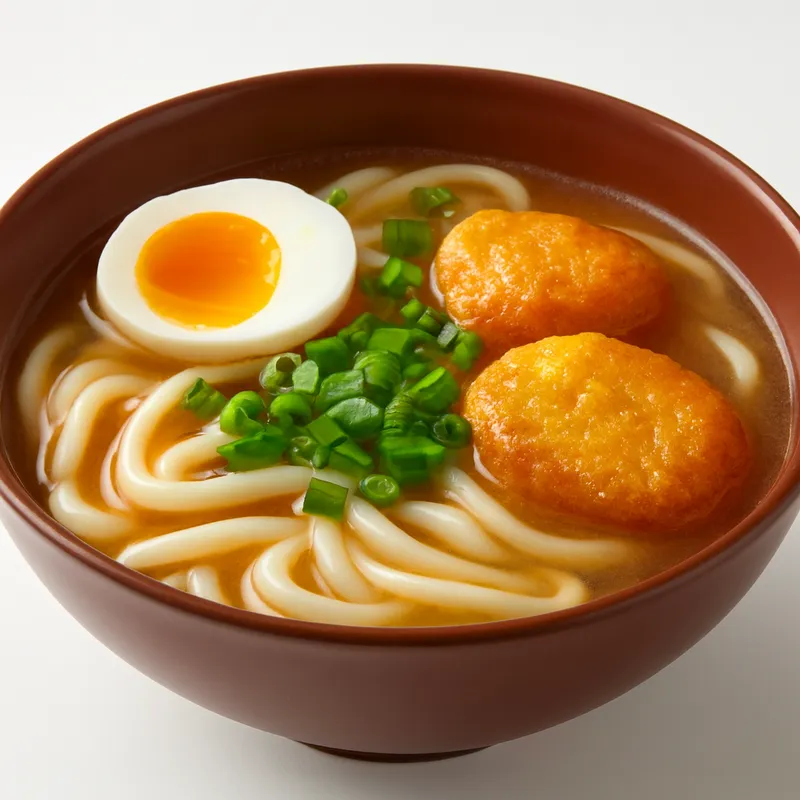
A Hiroshima oyster dish cooked on a single flat earthenware or iron pan whose inner rim is banked with a thick wall of miso — the 'dote', literally an embankment or levee. Plump local oysters are set in the well with tofu, leek, garland chrysanthemum and mushrooms, a little dashi is added, and the whole pan is brought up to a simmer over heat. As it bubbles, you scrape the miso levee down into the broth a little at a time, seasoning the oysters and vegetables to taste while they cook on the hot surface. Hiroshima farms roughly 60 percent of all the oysters raised in Japan, so the shellfish is the heart of the plate. The course is a main.

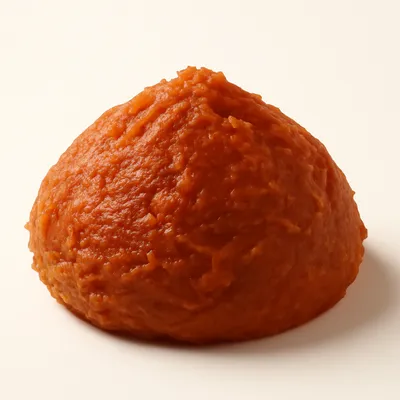

Oysters have been part of Hiroshima life since deep antiquity — shell mounds from the Jomon and Yayoi periods show they were gathered and eaten long before farming, and raft cultivation in the calm, brackish waters of Hiroshima Bay is generally dated to the Muromachi-to-Momoyama era of the 1500s. Today Hiroshima is by far Japan's leading producer, accounting for around 60 percent of the national farmed-oyster harvest (about 61 percent in 2019), which is why oyster cookery is so central to the region's table. The 'dote' technique of banking miso into a ridge on the rim of the vessel is shared with Hiroshima's better-known oyster hotpot and, more distantly, with Osaka's beef-tendon dote-yaki, where miso is piled along the sides of an iron griddle. The name is most often explained simply: the wall of miso looks like a riverbank levee. Two folk readings also circulate — that it honors a person said to be surnamed Dote who devised the style, and that Edo-period 'oyster boats' carrying Hiroshima oysters to Osaka served such dishes on the riverbanks — but these are best treated as folk etymology.
The oysters come off the hot pan plump and barely set, spilling a warm, creamy brine that the savory-sweet miso glaze clings to. Where the broth has reduced against the metal, it grows thick and almost caramelized at the edges, deeply salty-sweet; nearer the center it stays looser and more soup-like. Tofu turns silky and soaks up the seasoning, leek goes soft and sweet, and the garland chrysanthemum keeps a faint herbal bitterness that cuts the richness. The trick is to lift the oysters the moment they swell — held too long on the hot surface they shrink, firm up and go rubbery.
Banking the miso as a wall rather than dissolving it at the start is the whole point. Miso is a fermented soybean paste whose aroma compounds are volatile and whose enzymes are degraded by hard, prolonged boiling, so keeping it on the cooler rim and melting it down gradually preserves its fragrance and lets you tune the seasoning as you go. The savor is layered umami: glutamate from the miso meets inosinate from the oysters and from the dashi's bonito, and the glutamate–inosinate synergy multiplies perceived savoriness far beyond either alone. Oysters taste sweet because of the amino acid glycine and the sugar-alcohol and glycogen they store; the miso's salt and sugar draw less water out of the just-cooked flesh than a thin salt broth would, helping the shellfish stay plump. On a flat, near-dry pan the miso and any reduced broth brown through the Maillard reaction, building the roasted, almost caramelized note that sets the yaki form apart from the wetter hotpot.
Variations
The closest relative is Kaki no Dotenabe, the communal Hiroshima oyster hotpot that shares the very same miso-levee idea but is a brothy nabe simmered at the table and eaten as soup; the dote-yaki here is the griddle sibling, a flatter teppan-style dish where the oysters and miso cook together on a hot pan and the glaze reduces and browns rather than diluting into broth. The miso blend is the main lever — red miso for a deeper, saltier finish, more white miso with sake and mirin for a sweeter one. Vegetables shift with the season: leek, garland chrysanthemum and tofu are standard, with napa cabbage, enoki and shiitake common. Some cooks deglaze the pan with a splash more dashi toward the end, or finish the leftover seasoned glaze with rice or udon.
On the Palate
Where Kaki no Dote-yaki sits in the Japanese flavor cloud
Ingredients
Serves 3

How it's made
7 steps · 20 min active + 5 min waiting
- 16 min
Toss shucked oysters with a little salt and potato starch, rub gently, then rinse and pat thoroughly dry to remove grit and surface slime.
Watch outRub the oysters with salt and potato starch, then rinse and pat dry — this scrub pulls off the grit and surface slime so they cook clean and sweet.
- 24 min
Mix red and white miso with mirin and a touch of sugar into a stiff paste and bank it in a thick ridge around the inner rim of a flat earthenware or iron pan.
- 34 min
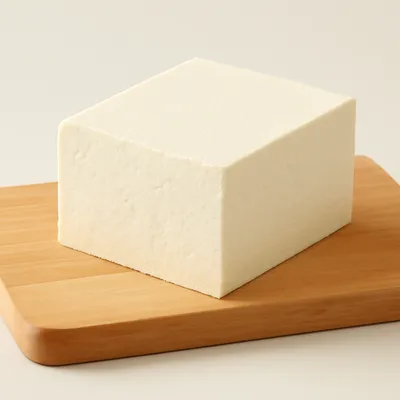
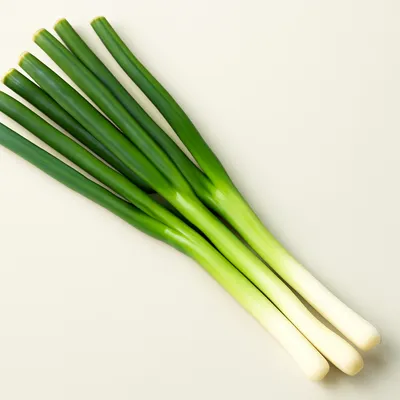
Cut tofu into cubes, leek on the diagonal, mushrooms into pieces, and trim the garland chrysanthemum; arrange them in the center well of the pan.
- 43 min
Pour a little dashi into the well, set the pan over heat and bring to a gentle simmer.
- 53 min
Lay the oysters into the simmering well and cook just until they swell and the edges curl.
Watch outLay the oysters in only until they swell and the edges curl — pull them the moment they plump, because a beat too long shrinks them tough.
- 63 min
Scrape the miso levee down into the broth a little at a time, coating the oysters and vegetables and seasoning to taste.
Watch outScrape the miso levee down into the broth only a little at a time — banking it and melting it gradually keeps its aroma, which a hard boil at the start would drive off.
- 72 min
Lift the oysters out the moment they plump; finish the reduced glaze with a splash of dashi, or with rice or udon.
Archive tool suggestions — not reviewed
These legacy suggestions have not been evidence-reviewed and are not presented as required tools.