
A rich miso soup of carp simmered slowly with the bones in, a celebratory dish of the Saku basin in eastern Nagano, famous for its freshwater carp farming. Thick rounds of carp, cut crosswise through the body, are cooked long and gently in a miso-and-sake broth until the flesh is tender and the bones soften, yielding a deep, almost gelatinous, earthy-sweet soup. Long served at New Year, weddings, and to new mothers as a fortifying tonic, koi koku is the soul dish of landlocked Shinshu's freshwater-fish tradition.
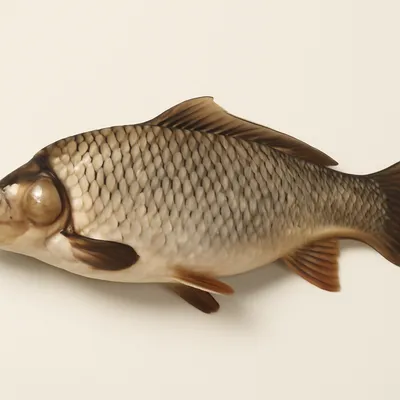

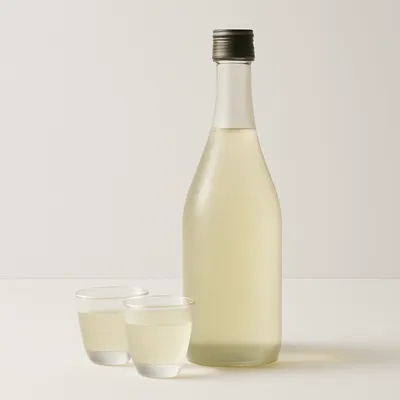



Saku in eastern Nagano is Japan's historic heartland of carp farming. Tradition records that in 1746 Shinodzawa Sagoemon of Saku presented carp dishes to the Ise Grand Shrine, and a more widely cited account credits Usuda Tanemon with bringing breeding carp from the Yodogawa river near Osaka to Saku around 1781, after which carp culture took root under the local domain. Crossbreeding with German carp around 1906 produced the deep-bodied, cold-tolerant Saku carp, and by 1962 Nagano led Japan in farmed-carp production. Koi koku — the carp simmered whole in miso — became the region's defining dish, eaten on auspicious occasions and given to nursing mothers as nourishment.
A thick, clinging soup, more like a stew than a clear broth — the long simmer and the carp's own collagen give it a faintly sticky, lip-coating body. The miso runs deep and savory, sweetened with sake and mirin, rounding off any muddy note from the freshwater fish. The carp itself is soft and rich; the smallest bones cook down to where they can be eaten. It is warming, substantial, and unmistakably of the inland mountains rather than the coast.
Cooking the carp with the bones in, low and long, is essential: the slow heat breaks down collagen in the skin, bones, and connective tissue into gelatin, which thickens the soup and gives koi koku its characteristic clinging body — filleting the fish would lose that. Miso is added in stages and never hard-boiled, since high heat drives off its aroma and can curdle it; sake and ginger are used generously to suppress the muddy, earthy off-flavor (doshu-mi) that freshwater carp can carry. Proper purging and bleeding of the live fish before cooking is the other half of controlling that flavor.
Variations
The classic koi koku is the bone-in miso simmer; the same Saku carp is also prepared as arai (chilled sliced sashimi), umani or kanroni (sweet soy-simmered), and karaage. Miso type and the balance of sake and ginger vary by household, with some adding sansho pepper at the end. The dish belongs to a wider Shinshu freshwater-fish tradition that also prizes funa, ayu, and the locally farmed shinano-yukimasu and Shinshu salmon.
On the Palate
Where Koi Koku sits in the Japanese flavor cloud
Ingredients
Serves 4How it's made
7 steps · 35 min active + 45 min waiting
- 115 min
Scale, gut, and bleed a fresh carp; purge it well to reduce muddy off-flavor, then cut crosswise through the body into thick bone-in rounds.
- 25 min
Rinse the rounds and blanch briefly or pour over hot water to firm them and rinse away scum.
- 38 min
In a pot, bring water, sake, and sliced ginger to a simmer, add the carp rounds, and skim the foam carefully.
- 445 min
Simmer gently over low heat for a long time until the flesh is tender and the fine bones soften.
Watch outSimmer gently a long time until the flesh is tender and the fine bones soften — cooking bone-in low and long is what gives the soup its clinging, gelatin-rich body.
- 55 min
Dissolve in miso in stages, keeping the soup below a hard boil so the aroma is preserved.
Watch outDissolve the miso in stages and keep it below a hard boil — a rolling boil drives off the aroma and can curdle it.
- 65 min
Adjust with a little mirin and sugar to round the flavor; simmer a few more minutes.
- 71 min
Serve hot with sansho pepper or chopped negi.
Archive tool suggestions — not reviewed
These legacy suggestions have not been evidence-reviewed and are not presented as required tools.


