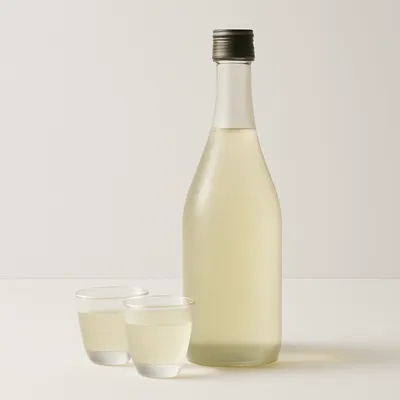
Motsu nikomi is offal — beef or pork tripe and other innards — simmered long and slow with daikon and konnyaku in a broth seasoned with miso or soy until the offal is meltingly tender and the liquid is rich and gelatinous. Served hot in a small bowl, topped with sliced scallion and a dab of mustard or shichimi pepper, it is a deeply savoury, warming izakaya standard and one of the great cheap drinking foods, made to go with shochu, sake, or beer. Many shops keep a pot going for days, the flavour deepening with each reheating. It is thrift cooking raised to a beloved staple: humble cuts, long time, deep reward.




Motsu nikomi is generally regarded as a Tokyo working-class dish whose roots reach back to the Meiji era (1868–1912), when meat-eating spread and offal — the cheap, perishable trimmings left after butchering — found a use simmered down with seasoning; the pairing of innards with miso draws on a much older tradition of miso-simmered cooking. It belongs to the same thrifty impulse seen across Japan's regional offal dishes, and food writers note that communities of Korean-peninsula residents in Tokyo's working districts, who favoured organ-meat cooking, are thought to have helped shape the city's 'motsu culture.' It is distinct from neighbouring offal preparations: Chubu's doteni simmers pork offal and konnyaku in dark hatcho (red) miso to a sweeter result, while Kyushu's motsunabe is a postwar offal hot pot of tripe with garlic chives and garlic. The standing-bar motsu-nikomi pot, refreshed and resimmered over days, is a fixture of Tokyo's old drinking quarters.
The offal is the texture story: long-simmered tripe and innards go soft, springy, and gelatinous, the chew dissolving toward melting, with no rawness or gaminess left in a well-made pot. The broth is thick and lip-coating, deeply savoury from miso or soy, often with a faint sweetness and a warming undertone of ginger and the funk of the offal itself; daikon turns silky and soaks up the liquid, while konnyaku stays bouncy and a touch firm for contrast. Scallion adds freshness on top and mustard or shichimi a sharp counterpoint. It is rich, sticky, and warming — best in cold weather and built to be chased with a cold drink.
The whole dish hangs on time. Offal — tripe, intestine, and the like — is dense in collagen-rich connective tissue, and only a long, gentle simmer of two to three hours or more breaks that collagen down into gelatin, which both melts the tough cuts to tenderness and thickens the broth into its glossy, lip-sticking body; rush it and the offal stays rubbery. Thorough preparation comes first: the offal is scrubbed, rinsed, and parboiled, often more than once, with the cloudy, scummy water discarded each time, to strip out blood, fat, and the strong odours that would otherwise sour the pot. Miso is added toward the end and not boiled hard, since prolonged high heat dulls its aroma and the live notes of fermentation; its salt, amino acids, and fermentation flavour season the broth and pair with the offal's richness. Resimmering the pot over successive days concentrates and deepens it as liquid reduces and flavours marry, with surface fat skimmed each time.
Variations
Seasoning splits broadly into miso-based and soy-based (shoyu) broths, and the offal may be beef (gyu-motsu) or pork (ton-motsu, also called tonsoku-adjacent cuts), with tripe the most common. Daikon, konnyaku, carrot, burdock, and tofu are typical companions, and ginger and garlic temper the smell. Chubu's doteni is the sweeter, red-miso pork-offal cousin; the same impulse drives nationwide variations. Toppings range from scallion and mustard to shichimi pepper, grated ginger, or a soft-boiled egg. The broth doubles as a base for motsu udon, and leftover pot is ladled over rice. Kyushu's motsunabe, by contrast, is served as a communal hot pot rather than a pre-simmered bowl.
On the Palate
Where Motsu Nikomi sits in the Japanese flavor cloud
Ingredients
Serves 4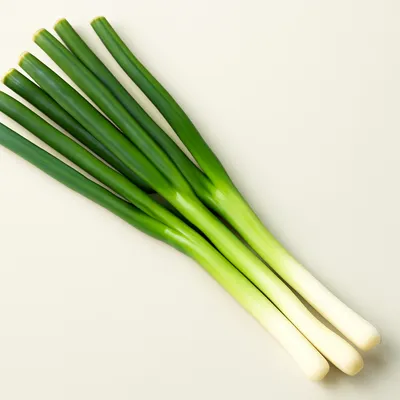

How it's made
7 steps · 3 hours
- 120 min
Rinse the offal well, then parboil in plenty of water; drain and discard the cloudy water, and repeat once or twice until it runs clean
Watch outParboil the offal and discard the cloudy water once or twice until it runs clean — that scrubbing-out is what strips the blood and the strong odor that would otherwise sour the whole pot.
- 215 min
Cut the cleaned offal into bite-size pieces; peel and chunk the daikon, and tear or cut the konnyaku, parboiling the konnyaku briefly
- 310 min
Combine the offal, daikon, konnyaku, sliced ginger, and sake in a pot, cover with water, and bring to a gentle simmer
- 4150 min
Simmer low and slow for two to three hours, skimming the surface, until the offal is meltingly tender and the broth has body, topping up water as needed
Watch outSimmer low 2 to 3 hours until the offal is meltingly tender and the broth bodies up — the collagen needs that long to turn to gelatin; rush it and it stays rubbery.
- 510 min
Stir in miso (or season with soy sauce) toward the end and simmer gently a little longer without hard boiling
Watch outStir the miso in near the end and don't boil hard after — a rolling boil dulls the miso's aroma and turns it flat.
- 630 min
Taste and adjust the seasoning; let it rest, ideally cooling and reheating to deepen the flavour
- 72 min
Serve hot in bowls, topped with sliced scallion and mustard or shichimi pepper
Archive tool suggestions — not reviewed
These legacy suggestions have not been evidence-reviewed and are not presented as required tools.