
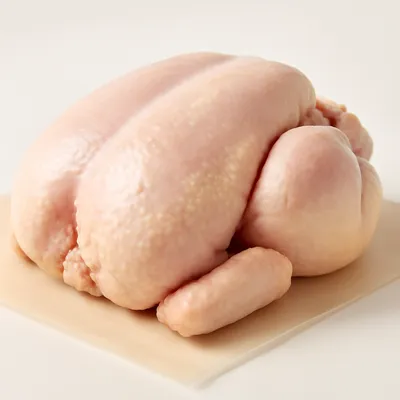
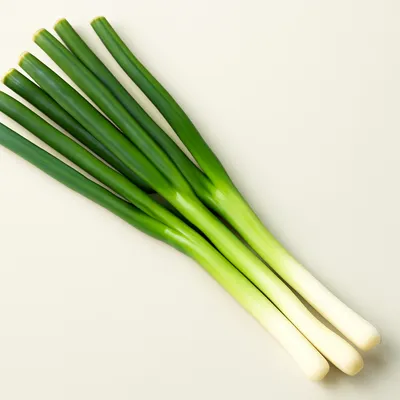
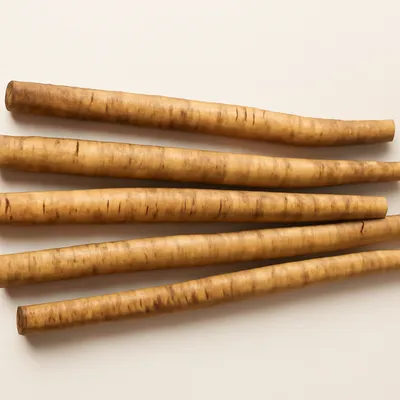
Senbei-jiru is a hot pot from the Hachinohe area of Aomori in which pieces of wheat cracker are simmered in a savory broth until they soften but still hold a chewy bite. Rounds of nanbu senbei, a flat baked cracker, are broken into the pot alongside chicken or fish, negi, carrot, burdock, mushrooms and konnyaku in a soy-and-miso-seasoned chicken dashi, the cracker going in near the end so it drinks up the broth without dissolving. The result sits between a soup and a noodle dish, the softened cracker chewy and slick, soaked through with the broth. It is the signature B-grade local dish of Hachinohe.


Senbei-jiru comes from the Hachinohe area in southeastern Aomori, historically the Nanbu domain. The dish grew out of the region's konamono (wheat-and-buckwheat flour) culture: the Pacific coast around Hachinohe was repeatedly hit by yamase, a cold damp summer wind that ruined rice harvests, so cold-hardy wheat and buckwheat were grown and ground, and farm households that owned iron molds baked nanbu senbei as a durable preserved food. The crackers found their way into the soup pot, and one account traces the dish to using broken senbei in an ara-jiru of river-caught uguisu before the war. According to the Ministry of Agriculture's account, the home practice of baking senbei declined after iron kettles and molds were requisitioned during wartime. Senbei-jiru was thrust into the national spotlight when Hachinohe hosted the first B-1 Grand Prix of regional B-grade food in 2006, and the dish was named to the Ministry of Agriculture's 2007 list of one hundred regional dishes.
The cracker is the whole experience: simmered soft, the pieces turn slippery and chewy at once, somewhere between a flat dumpling and a wide noodle, the broken edges drinking up the broth while the centers keep a slight resistance. Around them the chicken dashi is clean and warming, deepened with soy and miso, carrying sweet negi and earthy burdock and mushroom. You eat it with chopsticks and a spoon, fishing out the broth-heavy cracker pieces. It is homely, hot and filling — peasant winter food made satisfying.
The cracker for senbei-jiru is not an ordinary snack senbei but a soup type, a sturdier round baked specifically to soften without falling apart; ordinary nanbu senbei would dissolve to mush. Made of wheat flour, water and salt with no leavening, the dense baked disc is mostly gelatinized starch held in a firm gluten network — dropped into already-simmering broth near the end of cooking, it hydrates and swells, the surface turning slippery as starch loosens at the edges while the gluten core keeps the chew. Adding it late and not over-boiling it is the load-bearing move: cook it too long and it disintegrates, too briefly and the center stays hard and dry. The chicken dashi gives the broth its inosinate-rich savor, layered with the glutamate of soy and miso, and the released cracker starch lightly thickens the soup.
Variations
The broth is most often chicken-based, but fish, pork or duck versions exist, and the classic is seasoned with soy, sometimes leaning on miso. An older form uses an ara-jiru of river fish such as uguisu rather than chicken. Vegetables shift with the household — negi, burdock, carrot, shiitake, maitake, konnyaku — and some cooks add tofu or seri. The dish overlaps with the wider Tohoku tradition of flour foods in hard times, a cousin in spirit to suiton, the hand-torn wheat-dumpling soup of the same region.
On the Palate
Where Senbei-jiru sits in the Japanese flavor cloud
Ingredients
Serves 4

How it's made
6 steps · 25 min active + 15 min waiting
- 120 min
Simmer chicken with water to build a dashi, skimming the surface, then season the broth with soy sauce and a little miso.
- 210 min
Add burdock, carrot, konnyaku and mushrooms and simmer until the root vegetables soften.
- 33 min
Add the negi and let it sweeten in the broth.
- 42 min
Break the soup-grade nanbu senbei into bite-size pieces.
- 51 min
Slip the cracker pieces into the simmering broth near the end of cooking.
Watch outSlip the cracker pieces in near the very end — added too early they dissolve to mush; late, they soften but keep their chew.
- 64 min
Simmer just until the senbei has softened and turned chewy but still holds together, then serve hot.
Archive tool suggestions — not reviewed
These legacy suggestions have not been evidence-reviewed and are not presented as required tools.


