
Wani sashimi is the raw shark of the Sanin highlands, eaten in the mountainous inland of Shimane and the northern reaches of Hiroshima, around Miyoshi and Shobara. In the local dialect wani means shark, not crocodile, and refers to mako and blue shark hauled from the Sea of Japan. The pale, firm flesh is sliced thin and served as sashimi with soy sauce and grated ginger or wasabi. It is prized as a New Year and festival treat in country far from the coast, where for centuries it was the one sea fish that could be relied on to arrive still fit to eat raw. Eaten very fresh it is clean and mild; as it ages it takes on a faint ammonia note that locals know well.



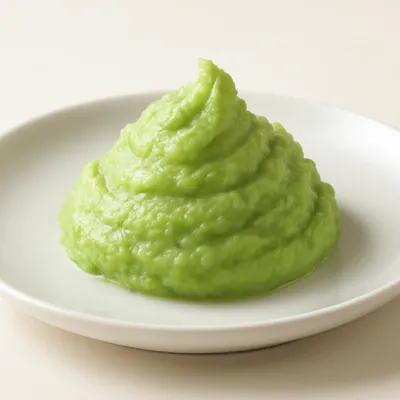

The dish grew straight out of geography. The Sanin uplands sit days of overland carrying from the Sea of Japan, and before refrigeration almost no sea fish could survive the haul to the mountains in edible condition; ordinary fish spoil within about three days. Shark was the exception, and the reason is its body chemistry. Sharks are cartilaginous fish that regulate their internal salt balance by holding large amounts of urea and trimethylamine oxide in their flesh, and these nitrogen compounds strongly retard the bacterial spoilage and histamine formation that ruin other fish, so shark flesh stayed safe to eat raw for around two weeks rather than a few days. That window was long enough to move the fish inland by foot and packhorse from the coast, and so in country with no fresh sea fish of its own, shark became the festive raw fish reserved for the New Year and for celebrations. The word wani for shark is old: it is how shark is written in the Inaba white-hare myth of the eighth-century Kojiki, evidence that the usage long predates the dish.
Cut fresh, the flesh is pale ivory, lean, and firm with a clean, faintly sweet taste and only the gentlest hint of the sea. The texture is springy and a little resilient under the tooth, softer than tuna, holding the soy and the heat of ginger or wasabi well. As the fish sits over days, a mild ammonia scent rises and the flavor turns more pronounced; eaten at its freshest, that note is barely there, and the meat reads simply as a clean, soft white sashimi.
The whole tradition rests on shark biology. Unlike bony fish, sharks and rays keep their blood roughly as salty as seawater by loading their tissues with urea and trimethylamine oxide rather than excreting salt, so raw shark flesh can hold on the order of two percent urea by weight together with high trimethylamine oxide. These nitrogen compounds, and the mildly alkaline conditions they create, suppress the growth of spoilage bacteria and slow the formation of histamine, the compound behind scombroid poisoning in other fish, while trimethylamine oxide also helps resist the fat oxidation that turns fish rancid. The practical effect is a sea fish that stays edible for around two weeks instead of a few days, which is exactly why it could be carried into the mountains and still eaten raw. The same chemistry sets the limit: after death, enzymes and bacteria slowly break the urea down into ammonia, so an older shark smells faintly of it, and the fish is at its best eaten early. Soy sauce, ginger, and wasabi are not incidental; their pungency masks any residual ammonia and their components help blunt it, the conventional seasoning for urea-bearing fish.
Variations
The shark used is usually mako or blue shark, and freshness is the main axis of variation: very fresh flesh is eaten as clean white sashimi, while slightly aged fish, with its stronger note, is preferred by some and is also taken in a quick vinegar dressing or lightly seared. Beyond sashimi the Sanin highlands cook wani in nimono simmers, as nitsuke, in nabe, deep-fried as karaage, or grilled; the trimmings follow standard sashimi practice, with soy sauce, grated ginger, wasabi, and shredded daikon. Comparable inland shark-eating once existed in other mountain districts cut off from fresh sea fish, but the Miyoshi and Shobara country of the Hiroshima-Shimane border is where the raw-sashimi custom remains strongest.
On the Palate
Where Wani Sashimi sits in the Japanese flavor cloud
Ingredients
Serves 3How it's made
6 steps · 12 min active + 3 min waiting
- 12 min
Start with a very fresh block of shark, ideally mako or blue shark, kept well chilled.
Watch outStart with very fresh shark, kept cold — older shark develops a sharp ammonia note as its urea breaks down, so freshness is everything here.
- 23 min
Trim away any skin, dark bloodline, and sinew, and pat the flesh thoroughly dry.
- 33 min
With a clean, sharp sashimi knife, slice the block across the grain into even pieces about 7 to 8 mm thick.
Watch outSlice across the grain into even 7–8 mm pieces — cutting across the grain shortens the fibres so each slice bites tender, not chewy.
- 42 min
Arrange the slices on a chilled plate, fanned or overlapped, with a heap of shredded daikon and a shiso leaf if available.
- 52 min
Grate fresh ginger and prepare wasabi, and set out good soy sauce for dipping.
- 63 min
Serve immediately while cold, eating the slices with soy sauce and a little ginger or wasabi; choose the freshest fish, as older shark carries a stronger ammonia note.
Archive tool suggestions — not reviewed
These legacy suggestions have not been evidence-reviewed and are not presented as required tools.


