
Tamago kake gohan, often shortened to TKG, is a raw egg and a little soy sauce stirred into a bowl of hot freshly cooked rice. The heat of the rice gently warms and thickens the egg as it is beaten through, coating every grain in a glossy, savoury custard. It is one of the simplest and most beloved Japanese breakfasts, eaten plain or with small additions — a dab of butter, chopped scallion, dried bonito flakes, or a sheet of nori. Some mix the whole egg in; others beat the white separately and lay the whole yolk on top. It relies on the safety of raw eggs produced under Japan's strict egg-hygiene controls.




Eggs were largely absent from the Japanese diet for centuries on Buddhist dietary grounds, and remained an expensive luxury well into the modern era. The journalist Kishida Ginkō (1833–1905) is documented as among the first to eat raw egg over rice in its modern form, around 1877 in the Meiji period; a 1927 account records that he seasoned it with salt and chilli pepper rather than soy. Earlier cooked egg-and-rice dishes exist — a steamed tamago-meshi appears in the 1805 cookbook Shirōto Hōchō — but raw TKG as an everyday dish spread only once poultry farming made eggs cheap and plentiful from the 1950s on. A bottled soy sauce made specially for TKG, launched in 2002, fed a modern revival.
Glossy and pale gold, the rice clings together in a loose, creamy mass, each grain slick with thickened egg. It is warm rather than hot, mild and faintly sweet, the soy lending a salty, savoury edge and a whiff of fermentation. The yolk makes it rich and almost custard-like; the white, if fully beaten in, can leave a slightly slippery, raw thread, which is why some prefer to whisk the white frothy first or use the yolk alone. Eaten fast, in big spoonfuls, while the rice is still hot enough to keep the egg silky.
The trick is residual heat, not cooking heat. Freshly cooked rice sits at roughly 70–80°C in the bowl — hot enough to warm the egg and let its proteins begin to thicken into a creamy sauce, but not hot enough to scramble it into solid curds. Beating air into the egg first, or whisking the white until frothy, lightens the texture and helps it coat the rice evenly. The soy sauce contributes glutamate, which layers savoury depth onto the egg's own richness. Because the egg is barely cooked, freshness and safety are everything — Japanese table eggs are washed, often sanitised, kept on a cold chain and date-stamped for raw eating, which is what makes the dish safe.
Variations
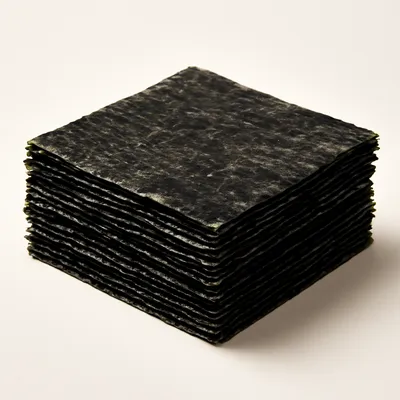
The simplest split is whether the whole egg is beaten in, or the white is whisked alone (sometimes until foamy) and the intact yolk laid on top — the latter giving a richer mouthful and a prettier bowl. Common additions are a knob of butter, chopped scallion, katsuobushi (bonito flakes), shredded nori, sesame, or a dash of dashi-soy. Many soy makers now sell a sweeter, mellower 'tamago kake gohan' soy sauce made for the dish. The same idea of a raw egg over hot food underlies tsukimi-style dishes and the egg finishing sukiyaki and gyudon.
On the Palate
Where Tamago Kake Gohan sits in the Japanese flavor cloud
Ingredients
Serves 1How it's made
7 steps · 3 min
- 11 min
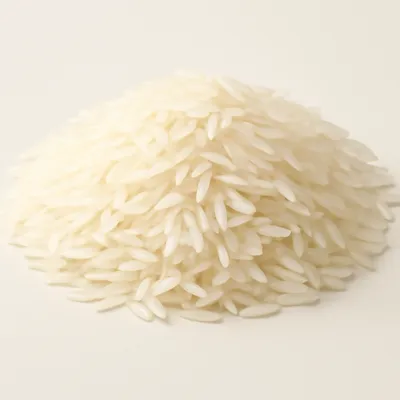
Cook short-grain Japanese rice and have it freshly steaming hot in the bowl.
Watch outHave the rice freshly steaming hot in the bowl — its residual heat, around 70–80 degrees, is what thickens the raw egg into a creamy sauce; cool rice just leaves it runny.
- 21 min
Crack a very fresh raw egg into a small bowl; for a richer version, separate it and reserve the yolk.
- 31 min
If beating the white separately, whisk it until light and frothy.
- 41 min
Beat the egg (or the frothed white) with a little soy sauce, or a purpose-made TKG soy sauce.
- 51 min
Make a small well in the hot rice and pour in the egg mixture.
- 61 min
Stir briskly so the residual heat thickens the egg and coats every grain; lay the reserved yolk on top if using.
Watch outStir briskly the moment the egg hits the rice so the heat thickens it and coats every grain — dawdle and the egg either sets into curds or stays watery.
- 71 min
Add any toppings — scallion, bonito flakes, nori — and eat immediately while hot.
Archive tool suggestions — not reviewed
These legacy suggestions have not been evidence-reviewed and are not presented as required tools.


