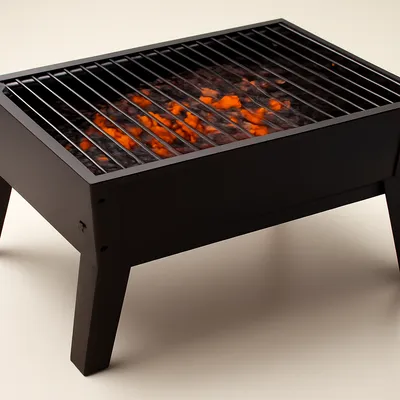
Saba no shioyaki is salt-grilled mackerel — a fillet or cut piece of saba (chub mackerel, Scomber japonicus, sometimes the spotted mackerel S. australasicus) sprinkled with salt, rested, then grilled until the skin crisps and blisters. The salt is applied ahead of grilling (furi-jio), drawing surface moisture out so the flesh firms and the fishy smell fades, and the released liquid is blotted off before the fish meets the heat. It is grilled under a fish broiler or over a grill, served skin-on with a mound of grated daikon, a wedge of sudachi or lemon, and soy sauce or ponzu. Alongside rice, miso soup, and pickles it is one of the most common grilled-fish mains of the teishoku set meal.


Salt-grilling (shioyaki) is one of the oldest and simplest ways of cooking fish — salt and open fire — and saba no shioyaki has no single recorded inventor; it is a long-standing everyday and teishoku preparation of a method that predates documentation. Mackerel itself has been eaten in Japan since antiquity: the word saba is attested by 733 CE, and the province of Wakasa supplied mackerel to the Nara-period court (710–794) as one of the imperial provisioning lands. The famous Saba Kaido, the 'Mackerel Road' over the mountains from Obama on Wakasa Bay to Kyoto, carried lightly salted mackerel to the inland capital before refrigeration — though the fish it fed into Kyoto became sabazushi rather than shioyaki.
The skin should be crackling and lightly charred, the flesh underneath white, flaking, and rich with the oil of a fatty blue fish; a fillet left wet before grilling steams instead and the skin stays slack and pale. The first taste is the clean salt and the rendered fat, then the grated daikon and a squeeze of sudachi cut straight through the richness and refresh the palate. Mackerel is an oily fish, so a hot grill and a crisp skin are the difference between bright and heavy.
Salting before grilling does several things at once. The salt draws water out of the surface by osmosis, which firms the proteins and helps carry off the volatile, water-soluble amines responsible for the fishy smell; the drier surface then browns and crisps over the fire rather than steaming, since a wet surface stays near the boiling point and cannot reach the higher temperatures that brown and crisp the skin. The grilling itself renders the subcutaneous fat and drives the Maillard browning of the skin. Mackerel is also notoriously perishable — it is rich in free histidine, which bacteria convert to histamine (the cause of scombroid food poisoning) once the fish warms, and the Japanese saying 'saba no ikigusare' holds that mackerel begins to rot even while it still looks fresh, so it must be very fresh and well salted. The grated daikon and citrus served alongside are sharp and acidic and cut the oily richness, refreshing the palate between bites.
Variations
Salt-grilling is applied to many fish: shio-zake (salted salmon), sanma no shioyaki (autumn Pacific saury), aji (horse mackerel), and the prized buri kama (yellowtail collar). Mackerel itself appears in other classic forms — saba no misoni, fillets simmered in miso, sake, mirin, sugar, and ginger; tatsuta-age, marinated in soy and mirin, dusted in potato starch, and deep-fried; and Fukuoka's goma-saba, fresh mackerel sliced sashimi-style and dressed with roasted sesame and soy (the 'goma' there is sesame, not the species). Premium branded saba such as Seki-saba, line-caught in the tide-swept Bungo Channel off Oita, is firm enough to eat raw; much of Japan's mackerel is now imported Norwegian fish, caught larger and fattier at peak season.
On the Palate
Where Saba no Shioyaki sits in the Japanese flavor cloud
Ingredients
Serves 2How it's made
8 steps · 15 min active + 30 min waiting
- 13 min
Pat the mackerel fillets dry and, if whole-side pieces, score the skin once or twice so it does not curl on the grill.
- 22 min
Sprinkle salt evenly over both sides at about one percent of the fish's weight and lay the fillets on a rack.
- 330 min
Rest the salted fish for about thirty minutes until beads of liquid appear on the surface.
Watch outRest the salted fish about thirty minutes until beads of liquid surface — that's the salt drawing out moisture and the fishy amines with it.
- 42 min
Wipe the released moisture off thoroughly with paper towel so the skin can crisp rather than steam.
Watch outWipe off all that released moisture before grilling — a wet surface only steams; dry skin is what blisters and crisps over the fire.
- 54 min
Heat a fish grill or broiler until hot and oil the grate lightly.
- 610 min
Grill the mackerel until the skin blisters and chars at the edges and the flesh is just opaque and flaking, turning once.
Watch outGrill until the skin blisters and chars at the edges and the flesh just turns opaque and flakes — a beat longer and the lean mackerel dries out.
- 73 min
Grate the daikon, drain it lightly, and cut the sudachi or lemon into wedges.
- 82 min
Plate the fish skin-side up with the grated daikon, the citrus, and a small pour of soy sauce or ponzu over the daikon.
Archive tool suggestions — not reviewed
These legacy suggestions have not been evidence-reviewed and are not presented as required tools.