A fresh pork-liver sausage of Umbria and the neighbouring Marche, made from pig liver, lungs, heart and fatty scraps — the slaughter's lesser cuts — minced, seasoned and stuffed into casing. It comes in two kinds: a savoury version with salt, pepper, garlic, citrus peel and fennel, and a sweet one enriched with raisins, pine nuts, sugar and orange peel. Born of the household pig-killing in the cold months, it is a fresh sausage that must be cooked, traditionally grilled over coals and eaten with wild field greens. The savoury type from the Upper Tiber Valley is a Slow Food Presidium.




Mazzafegati belong to the use-everything thrift of the winter pig-slaughter, the moment when a rural family killed its pig and turned every part to account. The documented heartland is the Alta Valle del Tevere — the Upper Tiber Valley around Città di Castello and Umbertide in northern Umbria — and the adjoining Marche, where the same sausage is also called salsiccia matta, 'mad sausage', for the offal it contains; it is not in fact a speciality of Norcia, despite Umbria's wider fame for pork butchery (the very word norcino, for a pork-butcher, comes from that town). The name joins fegato, liver, to a root in mazzare or ammazzare, to slaughter, tying it to the killing of the pig. The dish is recorded as Umbrian and Marchigian custom rather than a dated invention; sources reach for medieval and even Etruscan liver-lore but pin down no founding year. The savoury sausage of the Upper Tiber Valley — flavoured with salt, pepper, garlic, citrus peel and fennel flowers — is protected as a Slow Food Presidium, and the dish appears on the regional traditional-food (PAT) lists of both Umbria and the Marche.
A short, fat, deeply savoury sausage with the unmistakable mineral richness of liver running through it — meatier and more intense than a plain pork sausage, with an offal depth that is the whole point. The savoury version is earthy and garlicky, lifted by the resinous anise note of fennel and a brightness of citrus peel against the rich liver. The sweet version sets that same liver against raisins, sugar and orange, a sweet-and-savoury play closer to a festival treat. Grilled over coals, the casing blisters and crisps while the inside stays moist; eaten with bitter sautéed field greens, the greens cut the richness. Overcook it and the liver turns grainy and dry, so it is a sausage caught at just-done.
Liver is the difficulty: it is lean, full of iron, and turns chalky and bitter if overcooked, so it is bound with a good proportion of fat from the pig (lard, lungs, fatty scraps) that lubricates the mince, carries the seasoning, and keeps the sausage moist through cooking. The aromatics are not incidental — fennel flowers, garlic and citrus peel all carry compounds that mask and balance the sulphurous, metallic edge of offal, which is why traditional liver sausages everywhere lean on strong herbs and spice. Stuffing into natural casing both shapes the sausage and lets it be grilled: the casing holds the loose liver mince together and crisps over the coals while sealing in the juices. Grilling over embers rather than flame gives a steady radiant heat that cooks the sausage through and renders some fat without scorching the lean liver. The sweet version's sugar and dried fruit are a preservative as much as a flavour — sugar and the low water of raisins were a way to make a perishable fresh sausage keep a little longer and read as a treat.
Variations
The savoury and sweet versions are the great divide: the savoury (salato) leans on garlic, fennel, salt, pepper and citrus peel, while the sweet (dolce), found especially toward the Marche border, folds in raisins, pine nuts, sugar and grated orange. Liver content and the exact mix of offal vary from butcher to butcher, usually around fifteen to twenty per cent liver. Beyond the fresh, must-cook sausage, a lightly smoked and aged version is made that can be sliced like a cold cut. The sausage crosses regional lines — it is Umbrian, Marchigian (where it is the salsiccia matta of the Fano and Urbino country) and Tuscan toward the Valtiberina, where a kindred sausage goes by sambudello. It is usually grilled, sometimes pan-fried, and served with sautéed wild greens or mashed potato.
On the Palate
Where Mazzafegati sits in the Italian flavor cloud
Ingredients
Serves 6


How it's made
7 steps · 1 hour
- 115 min
Trim the pork liver and any lung and heart of sinew and ducts; cut into chunks with a good proportion of pork fat or fatty belly.
Watch outCut the lean liver with a good proportion of pork fat — the fat lubricates the mince and keeps it moist, or the lean liver cooks chalky and bitter.
- 210 min
Mince the meat and offal coarsely, keeping it cold so the fat does not smear.
- 35 min
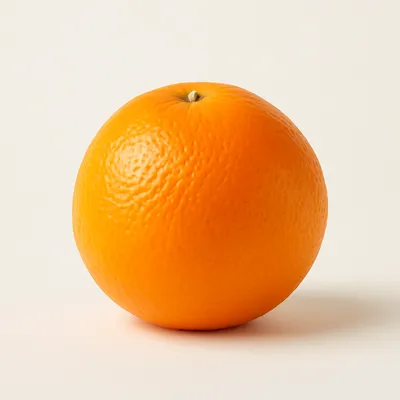
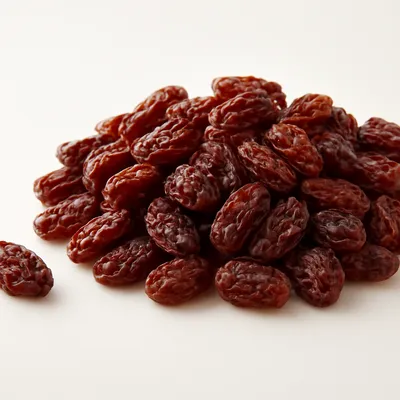
For the savoury version, season with salt, pepper, crushed garlic, fennel flowers and grated orange or lemon peel; for the sweet, add raisins, pine nuts, sugar and orange peel.
- 48 min
Mix thoroughly by hand until the seasoning is even and the mince just starts to bind; fry a small piece to check the seasoning.
- 520 min
Stuff the mixture into rinsed natural casing, twisting into short links and pricking out any air pockets; rest in the cold for a while to firm up.
- 618 min
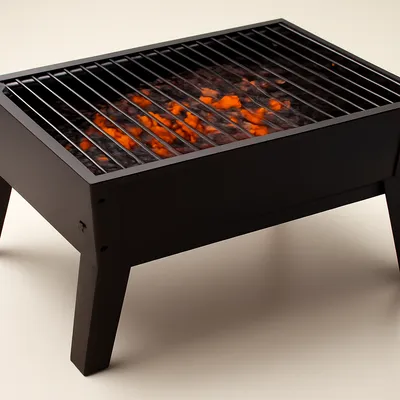
Grill the sausages slowly over hot coals, turning, until the casing is blistered and crisp and the inside is just cooked through and still moist.
Watch outGrill slowly over hot coals until the casing blisters crisp and the inside is just cooked and still moist — push it too far and the liver goes dry and grainy.
- 73 min
Serve hot with sautéed bitter field greens, or with mashed potato and bread.
Archive tool suggestions — not reviewed
These legacy suggestions have not been evidence-reviewed and are not presented as required tools.