A Roman and Lazio classic of small milk-fed lamb rib chops, grilled fast over a fierce heat and eaten by hand straight off the fire while still scalding — hence the name, scottadito, "burns the finger". The chops are cut from the rack of abbacchio, the young suckling lamb of Lazio, and seasoned simply with olive oil, rosemary, garlic and salt. They are charred deep brown outside, kept pink and tender within, and served at once. It is a fixture of the Easter table and of the city's trattorie.





Lamb has been a staple of Lazio since antiquity, when pastoralism and seasonal transhumance were the region's main source of meat, and a dish of grilled chops eaten by hand is an old shepherds' way of cooking rather than a dated invention — its precise origin is unrecorded. The Roman dialect word abbacchio denotes the milk-fed suckling lamb; its etymology is contested, the most-cited theories tracing it to the Latin baculum, the stake to which a young lamb was tethered near its mother, while scottadito plainly joins scottare (to scald) and dito (finger). The dish was recorded among the Roman lamb repertoire by Ada Boni in her La Cucina Romana. Since 2009 the lamb itself has carried the protected name Abbacchio Romano IGP, restricted to lamb born and raised in Lazio and slaughtered at 28 to 40 days.
The crust crackles with a charred, smoky bitterness and the rendered fat, while the meat inside stays rosy, milky-sweet and yielding — lamb this young is delicate, never gamey. Rosemary and garlic perfume the surface; a squeeze of lemon cuts the fat. Picked up by the bone and bitten hot, the fat is liquid and aromatic and the chop is at its most tender. Let it cool and the fat congeals and the texture stiffens, which is the whole reason it is rushed to the table scalding.
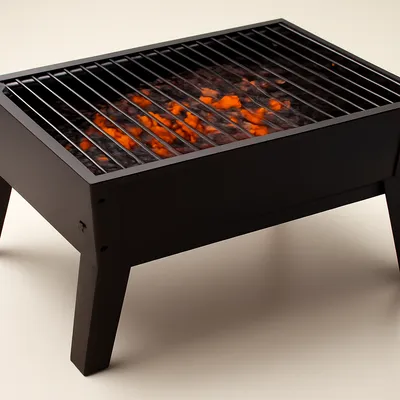
Thin milk-fed chops demand a fast, very hot grill. High heat drives the Maillard reaction across the surface for a deep brown, savoury crust, while the small, thin cutlet cooks through in only two to four minutes a side — fast enough that the lean, tender interior reaches doneness before it can dry out. A film of fat on the chop, sometimes a smear of lard, speeds the sear and bastes the meat as it renders. Because the rendered fat is liquid and the meat juiciest the instant it leaves the fire, the chops are eaten immediately and by hand; cooling lets the fat set and the texture turn firm.
Variations
Beside the grilled scottadito chops, abbacchio is roasted in the oven with potatoes (al forno con patate); finished in an egg-yolk-and-lemon binding as abbacchio brodettato, a classic Easter dish; or braised hunter-style, alla cacciatora, with rosemary, garlic, vinegar and anchovy. The lamb's offal is sautéed as coratella d'abbacchio, often with Roman artichokes. Across Lazio the grilled chops are sometimes greased with lard before cooking, and lemon at the table is common.
On the Palate
Where Abbacchio a Scottadito sits in the Italian flavor cloud
Ingredients
Serves 4
How it's made
7 steps · 1 hour 30 min
- 15 min
Have the butcher cut the rack into single thin rib chops; flatten each lightly with the side of a knife.
- 260 min
Marinate the chops for about an hour with olive oil, crushed garlic, rosemary, salt and pepper.
- 310 min
Heat a grill, charcoal embers or a cast-iron plate until very hot.
- 42 min
Pat the chops to remove excess marinade so they sear rather than stew.
Watch outPat off excess marinade before it hits the grill — a wet chop stews and steams grey instead of searing to a brown crust.
- 58 min
Grill over fierce heat for about two to four minutes per side, until deeply browned outside and just pink within.
Watch outFierce heat, 2-4 minutes a side — the thin milk-fed chop must brown outside while the lean center is only just pink.
- 61 min
Season with salt and a little more rosemary as they come off the fire.
- 72 min
Serve at once, scalding hot, with lemon wedges, to be eaten by hand.
Watch outEat them scalding hot the instant they leave the fire — let them cool and the fat sets and the meat turns firm.
Archive tool suggestions — not reviewed
These legacy suggestions have not been evidence-reviewed and are not presented as required tools.