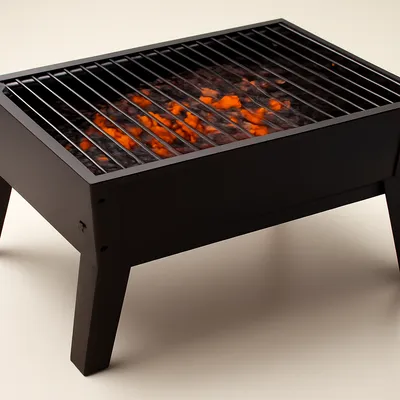
Paidakia are thin Greek lamb chops grilled hard over charcoal, dressed simply with olive oil, dried oregano, lemon, and salt. They are the default grill-meat of the Greek taverna, ordered by weight (per kilo) rather than by the plate, and brought to the table charred at the edges and pink at the bone. No sauce, no marinade beyond oil and oregano — the dish lives or dies on the quality of the lamb and the heat of the fire.




The word paidakia simply means 'little ribs' (lamb chops) in Greek, and grilling them over live coals is among the oldest and plainest forms of Greek cooking — meat, fire, oregano, and lemon, with nothing in between. Lamb sits at the center of the Greek table for reasons of landscape and faith: sheep and goats graze the rocky, scrubby hills where little else grows, and roast lamb is the fixed centerpiece of the Easter feast. Paidakia became the standard order at the charcoal-grill tavernas (the psistaria) that spread through Greek towns in the twentieth century, where chops are cooked to order over an open pit and sold by weight.
Each chop is small, more bone and crust than meat, eaten with the fingers down to the bone. The fat along the rib edge renders and crisps over the coals while the eye stays juicy; a squeeze of lemon cuts the richness right before it hits the tongue. The dried oregano toasts on the surface and turns smoky-bitter against the sweet char. You order a kilo, not a portion, and the pile arrives glistening, salty, faintly charred, and meant to be picked apart by hand.
Thin chops over very high heat is the whole technique: the lamb needs to brown and crisp on the outside before the small eye of meat overcooks, so the fire must be hot and the chops thin (cut about a finger thick). The marinade is deliberately minimal — olive oil to carry heat and help browning, oregano and salt for flavor — because lemon juice is held back until after cooking, since its acid would draw out moisture and steam the surface on the grill. The fat cap along each rib is the flavor engine: rendered over coals it bastes the meat and feeds the smoke that gives paidakia their taverna character.
Variations
Lamb is traditional, but goat chops (katsikaki) are grilled the same way in mountain villages. Some cooks add a brush of ladolemono (whisked olive oil and lemon) at the table instead of plain lemon; others rub the chops with a little garlic before grilling. Larger lamb shoulder chops are sometimes cooked the same way but need lower, slower heat. In Crete the chops may be scented with thyme or wild mountain herbs rather than oregano.
On the Palate
Where Paidakia sits in the Greek flavor cloud
Ingredients
Serves 4How it's made
5 steps · 2 hours 10 min
- 110 min
Trim the lamb chops, leaving the fat cap along the rib edge; pat dry.
- 2120 min
Toss the chops with olive oil, dried oregano, salt, and pepper, and let them sit at room temperature for up to 2 hours.
- 320 min
Build a hot charcoal fire and let the coals burn down to a glowing, even bed with no flame.
Watch outBuild a hot fire and let the coals burn to an even glow with no flame — the chops are thin, so they need fierce heat to char the surface before the little eye of meat overcooks.
- 46 min
Grill the chops over high heat for 2-3 minutes per side, until charred outside and still pink at the bone.
Watch outTwo to three minutes a side — pull them charred outside but still pink at the bone; a moment longer on these thin chops and they go dry.
- 53 min
Rest the chops a couple of minutes, then squeeze fresh lemon over them and serve at once, by the kilo.
Watch outSqueeze the lemon on only after grilling, off the heat — put it on before and the acid draws out moisture and steams the surface instead of letting it char.
Archive tool suggestions — not reviewed
These legacy suggestions have not been evidence-reviewed and are not presented as required tools.