A whole turbot (rodaballo) grilled over charcoal embers in the Basque coastal grill-house style of Getaria and San Sebastián (Donostia). The fish is cooked bone-in and skin-on, clamped in a hinged grill basket and turned once over white-hot coals, then basted with an oil-vinegar refrito while it cooks. Seasoning is minimal — salt and the dressing only — so the prize is the fish itself: the firm white flesh, the gelatinous skin, and the cheeks. It is served whole and lifted off the bone at the table, with the hot garlic-vinegar dressing spooned over.
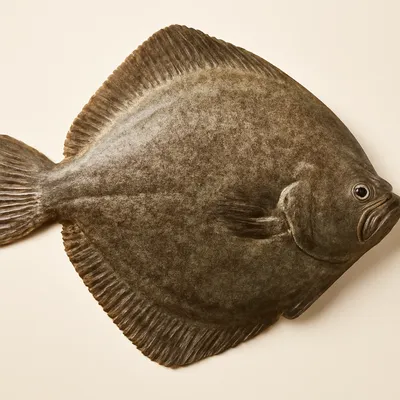




From the Basque coast of Gipuzkoa — above all Getaria and San Sebastián (Donostia), where charcoal grill houses (asadores) specialise in whole large fish cooked over embers. Whole-grilled turbot became internationally renowned through the Getaria grill house Elkano, opened by Pedro Arregui in 1964: at a time when turbot was usually filleted, Arregui grilled it whole and skin-on in a hinged basket, basting it with an oil-vinegar-salt emulsion his wife devised, and the dish spread from there through the Basque coast from the 1960s onward. Aitor Arregui took over after his father's death in 2014, the year Elkano earned a Michelin star. 'A la donostiarra' refers to the San-Sebastián-style refrito — sliced garlic fried in olive oil and sharpened with vinegar — poured over grilled or fried fish.
Firm, sweet white flesh that pulls clean off the bone in thick flakes. The real prize sits at the edges: the gelatinous, melting skin and the soft cheeks, both far richer than the loin. Smoke and char from the coals run through the whole fish. The hot garlic-vinegar refrito poured over is sharp and garlicky, and its acidity cuts straight through the gelatine richness so the dish stays bright rather than heavy.
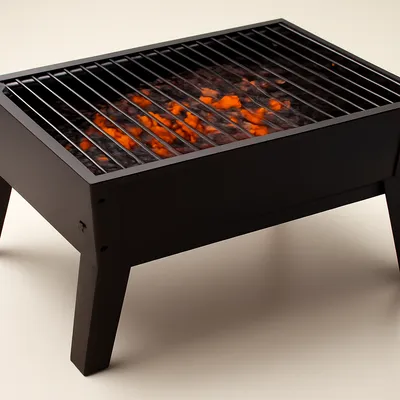
The whole flat fish is clamped in a hinged grill basket (besuguera) and set over glowing charcoal that has burned down to white coals with no live flame, so the heat is radiant rather than scorching — typically about 20 cm above the bed, belly toward the fire first, then turned once. The bone-in, skin-on whole cook keeps the flesh moist; as it grills the skin's collagen breaks down into gelatine and the surface chars and browns through the Maillard reaction plus wood smoke. A 2 kg fish takes roughly 17–20 minutes, and it is done when small bubbles rise on the dark skin. The basting refrito is made by frying sliced garlic in olive oil to gold, then adding vinegar off the heat so it hisses; it is repeatedly brushed or spooned over the fish, where it emulsifies with the fat the turbot releases and the vinegar's acid cuts the gelatine's richness. This donostiarra refrito is the opposite of pil-pil, where garlic-oil is emulsified cold into a thick sauce by shaking rather than cut with acid.
Variations
The same grill-house method is used for other whole fish — besugo (red bream), lubina (sea bass), or San Pedro (John Dory) — each grilled bone-in over coals and finished with refrito. The refrito itself is made with or without dried chili (guindilla): plain garlic-and-vinegar in the strict donostiarra style, or garlic-and-chili in the closely related bilbaína style. The modern Getaria whole-fish asador canon, built around the wood-fired grill and the besuguera, stands apart from simpler home versions that roast the fish whole in an oven.
On the Palate
Where Rodaballo a la Donostiarra sits in the Spanish flavor cloud
Ingredients
Serves 2How it's made
8 steps · 20 min
- 110 min
Have the fishmonger gut and trim a whole turbot, leaving it bone-in and skin-on. Pat it fully dry and season both sides generously with coarse salt.
- 28 min
Build a charcoal fire and let it burn down until the flames are gone and the coals glow white and even; spread them into a bed with no live flame.
Watch outLet the charcoal burn down until the flames are gone and the coals glow white and even — a live flame scorches the skin before the flesh cooks.
- 32 min
Clamp the whole turbot in a hinged grill basket (besuguera) and set it about 20 cm above the coals, dark-skin belly side toward the fire first.
- 45 min
Meanwhile make the refrito: slice the garlic and fry it in olive oil over low heat until golden, add the dried chili if using, then take it off the heat and pour in the vinegar so it sizzles.
- 510 min
Grill the first side, basting repeatedly with a little of the oil-vinegar dressing, until the skin browns and small bubbles rise on it — about 9–10 minutes for a 2 kg fish.
Watch outIt's done on the first side when the skin browns and small bubbles rise on it — those bubbles are the doneness signal, so baste and watch for them.
- 69 min
Turn the basket once and grill the second side the same way, basting again, another 8–10 minutes, until the flesh is just set to the bone.
Watch outTurn the basket only once and grill the second side just until the flesh sets to the bone — over-grilled and the lean turbot dries out.
- 73 min
Lift the fish onto a warm platter, open it along the spine and remove the backbone, keeping the cheeks and skin intact.
- 81 min
Spoon the hot garlic-vinegar refrito over the lifted fillets and serve immediately, whole at the table.
Archive tool suggestions — not reviewed
These legacy suggestions have not been evidence-reviewed and are not presented as required tools.