Bifteki is the Greek grilled meat patty: a flat oval of seasoned ground beef (or a beef-and-pork mix) bound with grated onion, soaked bread, and herbs, then grilled or pan-seared until charred outside and juicy within. Unlike the small fried meatballs (keftedakia), bifteki is shaped large and flat, eaten as a main with fries, rice, or salad. A popular version, biftekia gemista, folds a slab of feta into the center so it melts as the patty cooks.

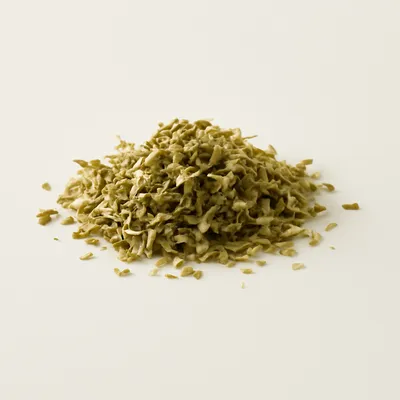


The name bifteki comes from the French bifteck (beefsteak), itself a borrowing of the English 'beefsteak' — a trace of the nineteenth-century European cooking vocabulary that entered Greek kitchens, the same current that gave Greek cuisine its béchamel and its 'Frenchified' restaurant repertoire. Greece has a long tradition of minced-meat cooking inherited from Ottoman and Anatolian kitchens (the keftes family), and bifteki is the larger, plated, knife-and-fork descendant of that tradition. Today it is a fixture of the home grill and the taverna alike, and the feta-stuffed version is a modern Greek favorite.
A thick, char-striped oval with a craggy, well-browned crust and a loose, tender inside that stays moist from the grated onion and bread worked into the mince. Greek oregano and a little mint come through under the smoke. Cut into the stuffed version and a seam of softened feta spills out, salty and tangy against the savory meat. Eaten hot off the grill with lemon, fries, or a wedge of bread to catch the juices.
Grated onion and soaked, squeezed bread (or breadcrumbs) are the moisture system: they hold water and fat in the patty so it does not dry out over high heat, and the onion's enzymes also tenderize the meat. The mince is kneaded firmly so the proteins bind and the patty holds together on the grill without an egg, then rested so it firms up before cooking. For the feta-stuffed version the cheese must be fully sealed inside two thin layers of meat — any gap and the feta leaks out and burns on the grate rather than melting into the center.
Variations
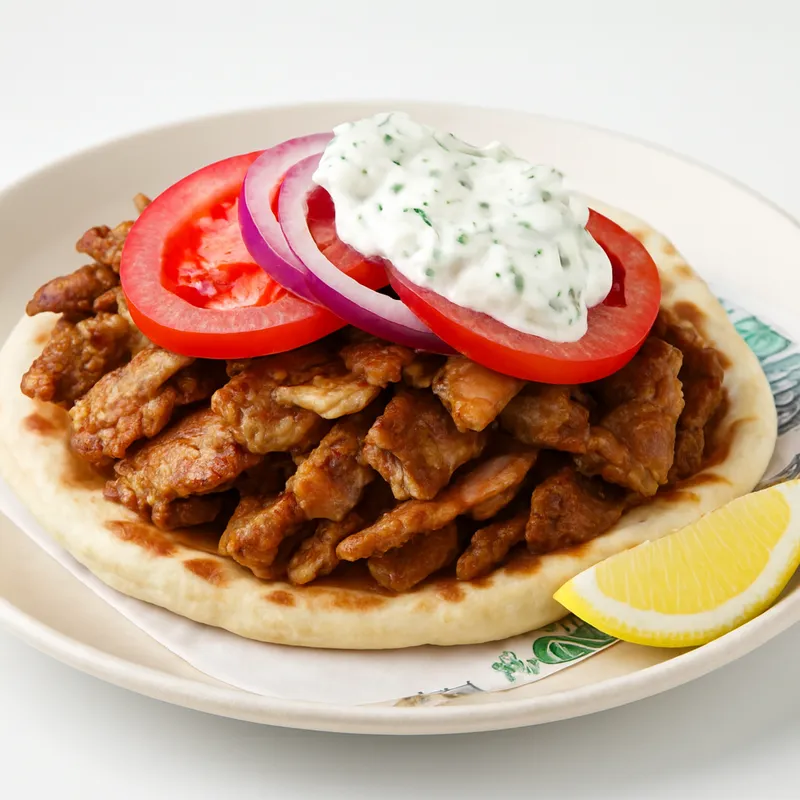
The mix ranges from all-beef to a beef-pork blend; some cooks add grated tomato, a splash of red wine, or cumin. Biftekia gemista is the feta-stuffed version (sometimes with a slice of tomato or pepper folded in too). Smaller patties served in pita with tzatziki become a Greek burger; baked-in-the-oven biftekia with potatoes is a common home version. The closely related soutzoukakia are spiced, elongated meat rolls simmered in tomato sauce rather than grilled flat.
On the Palate
Where Bifteki sits in the Greek flavor cloud
Ingredients
Serves 4

How it's made
5 steps · 25 min active + 25 min waiting
- 15 min
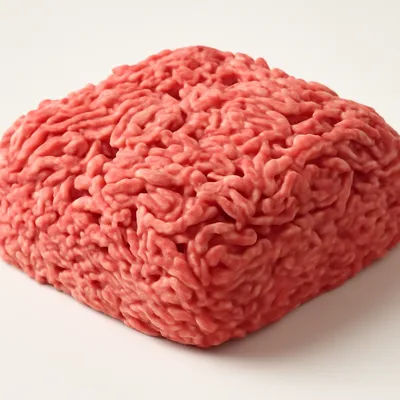
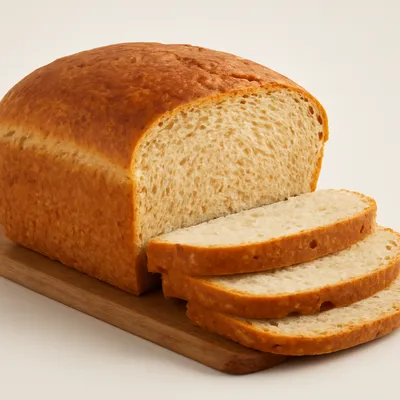
Soak a slice of bread in water, squeeze it dry, and crumble it into a bowl with the ground meat.
- 210 min
Add grated onion, dried oregano, chopped mint, salt, and pepper, and knead the mixture firmly until tacky and well bound.
Watch outKnead the mince firmly until it turns tacky and binds — this is what holds the patty together on the grill without an egg; under-kneaded, it falls apart.
- 325 min
Rest the mince in the fridge for about 20 minutes, then shape into flat ovals (for stuffed biftekia, seal a slab of feta between two thin layers).
Watch outFor the stuffed version, seal the feta completely between two thin layers — any gap and the cheese leaks out and burns on the grate instead of melting inside.
- 410 min
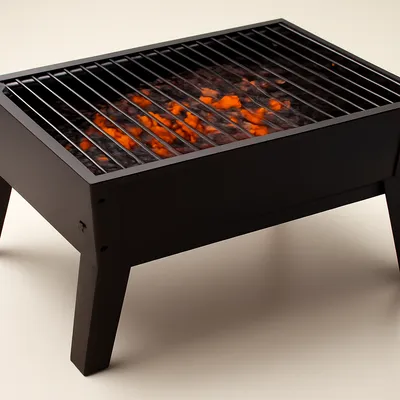
Brush the patties with olive oil and grill or pan-sear over high heat for 4-5 minutes per side, until charred and cooked through.
- 53 min
Rest briefly and serve hot with lemon, fries, or salad.
Archive tool suggestions — not reviewed
These legacy suggestions have not been evidence-reviewed and are not presented as required tools.