
Greek
Olive oil, lemon, oregano — the Mediterranean trinity.
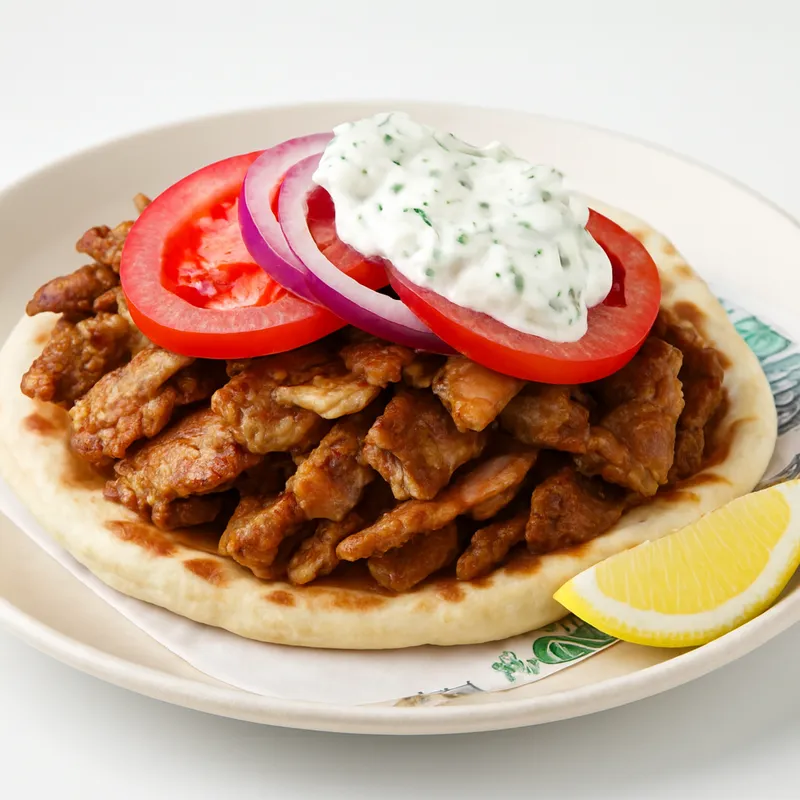
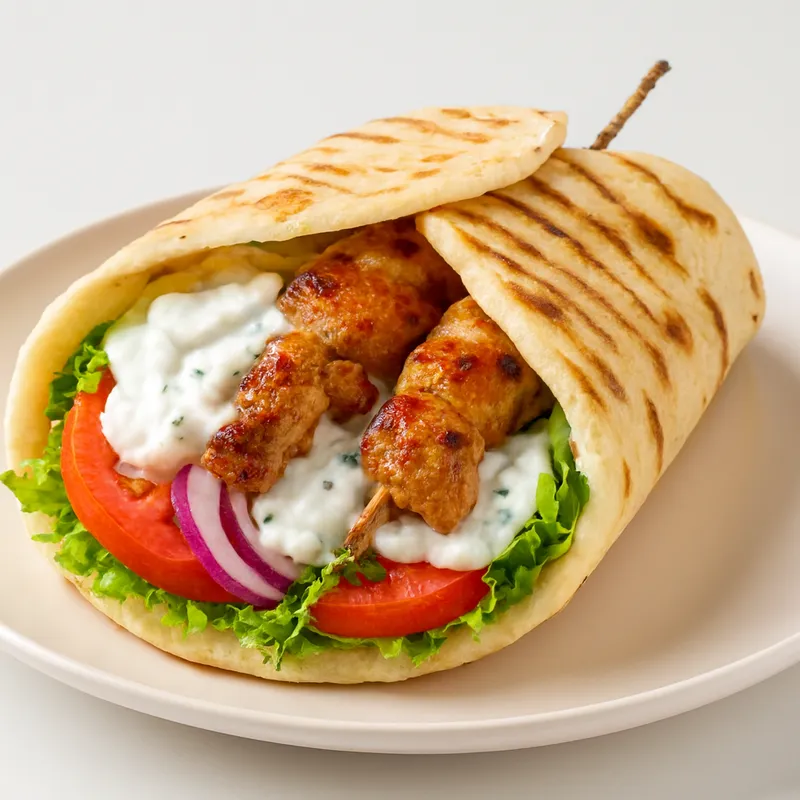
Souvlaki
Souvlaki, skewered and grilled meat, showcases the simplicity and flavor focus of Greek cuisine.
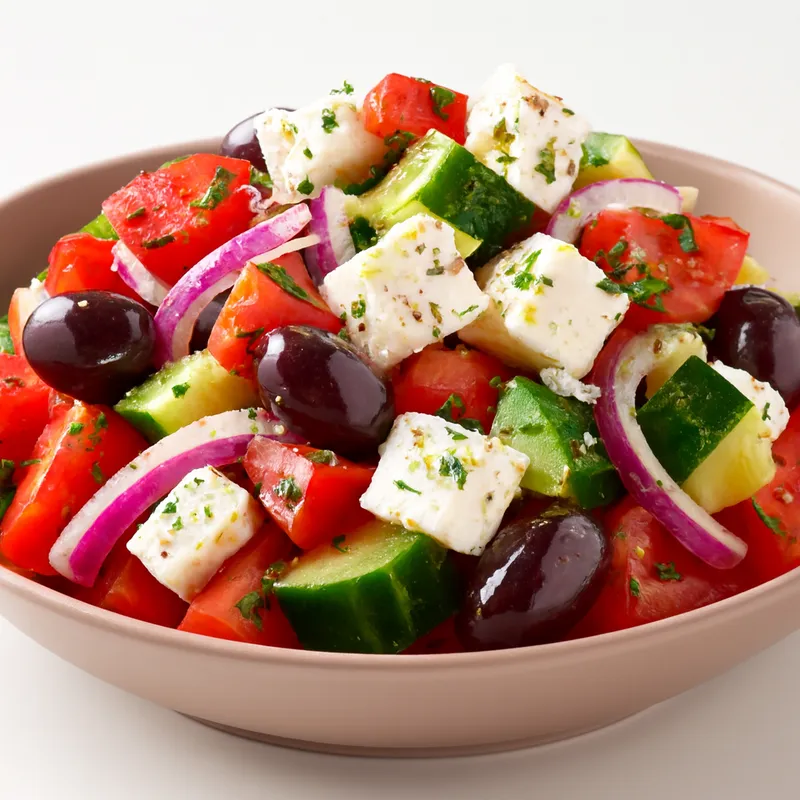
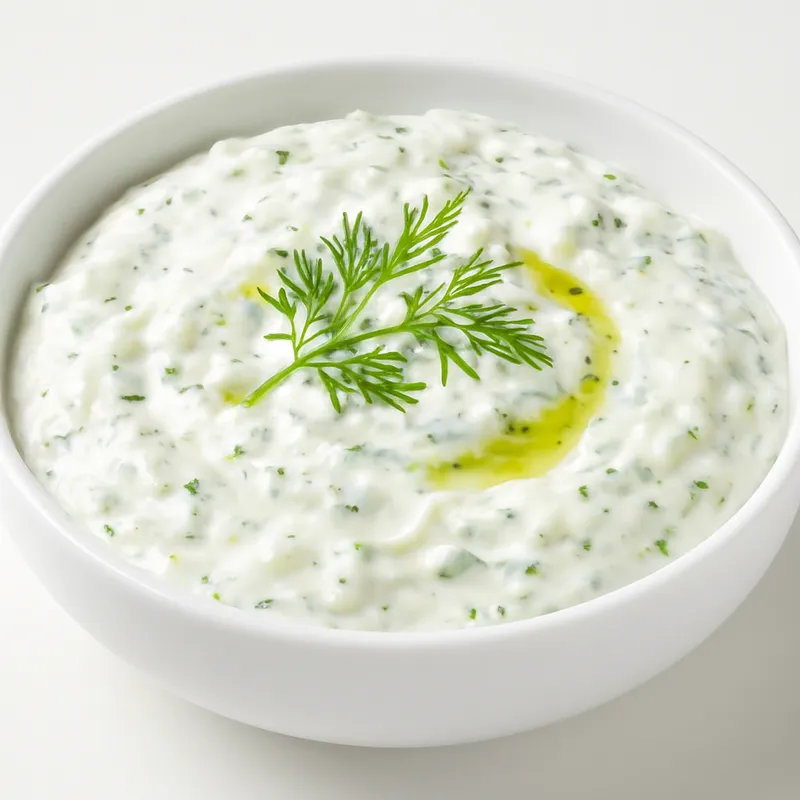
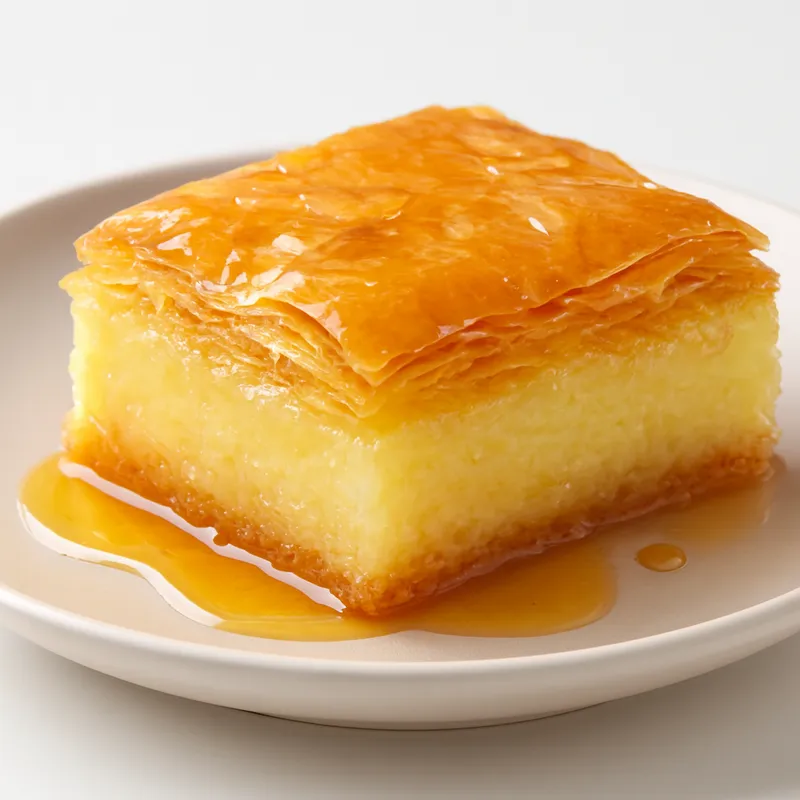
View page →Greek cooking is built on olive oil, lemon, oregano, and what's fresh, and it favors simple treatments that let the ingredient lead. The best-known dish is moussaka, baked layers of eggplant, spiced minced lamb, and potato under a thick béchamel, while souvlaki and gyros — grilled or spit-roasted meat tucked into pita with tomato, onion, and tzatziki, the garlic-and-cucumber yogurt — are the everyday street food. Feta, the brined sheep's-milk cheese, turns up everywhere, crowning a horiatiki (village salad) of tomato, cucumber, olives, and onion. Meals often start with small plates to share: taramasalata, dolmades (vine leaves stuffed with rice and herbs), grilled octopus. The anise spirit ouzo and the resin-flavored wine retsina are the traditional drinks, and honey-soaked baklava or syrupy galaktoboureko closes the table.
The Palate
What makes it taste like itself
Start Here
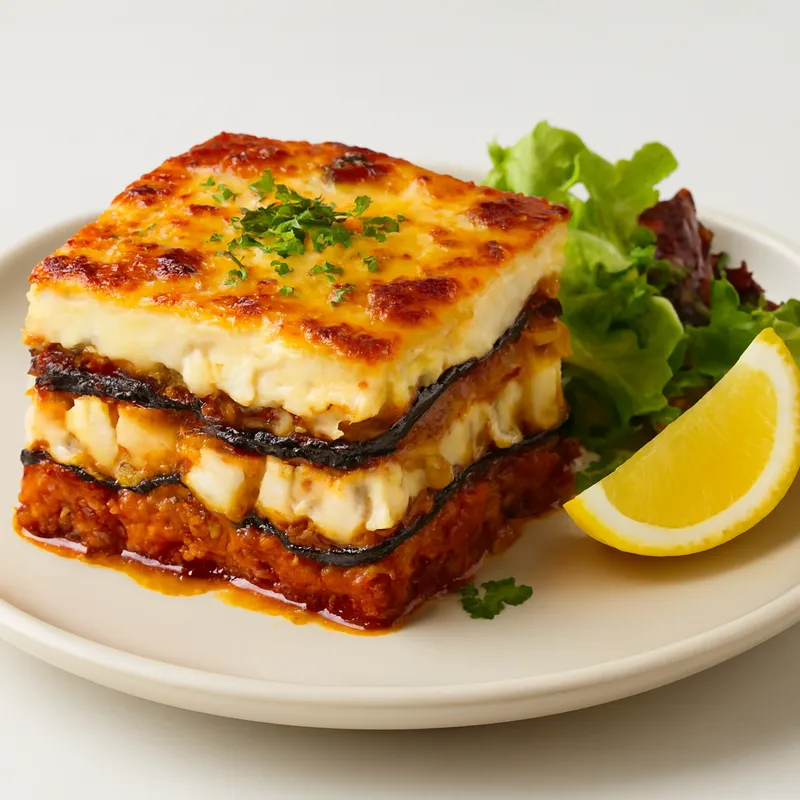
Moussaka is the quintessence of Greek comfort food, layering earthy eggplant with a creamy béchamel and savory mince, all baked to perfection.
Why start here · Start here to experience the heartwarming layers of Greek cuisine's most beloved casserole.
Souvlaki is the heart of Greek street food, with marinated meat skewers grilled until tender and often wrapped in a soft pita with fresh vegetables.
Why start here · Try Souvlaki for a taste of Greece's lively street culture and its straightforward pleasures.
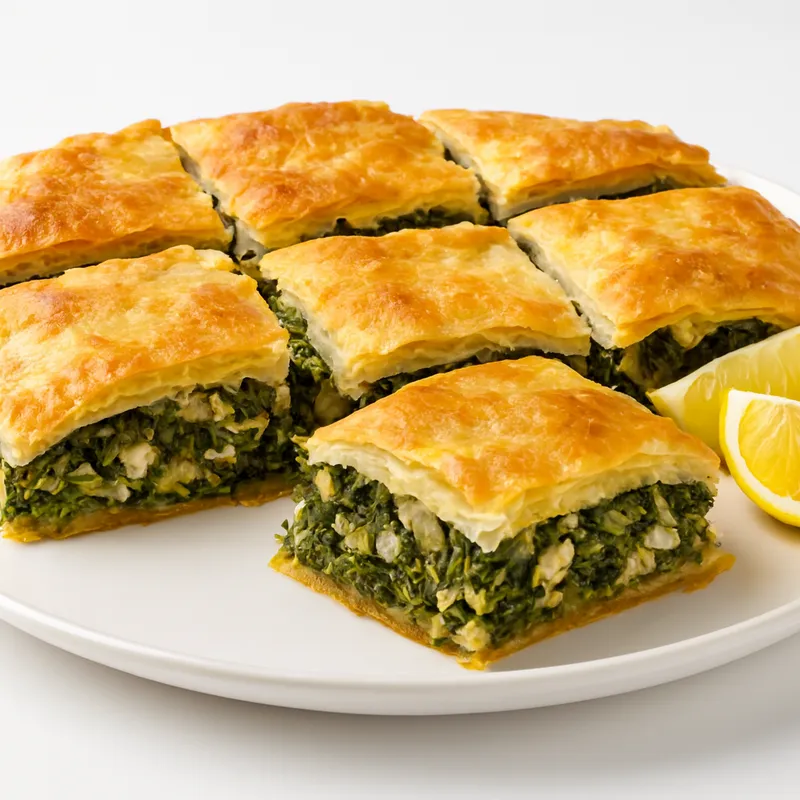
Spanakopita offers a flaky, buttery pastry filled with spinach and feta, capturing the simplicity and harmony of Greek flavors.
Why start here · Start with Spanakopita to appreciate the delicate balance of pastry and filling that Greek cuisine masters.
Cook First
The easiest way in


The Pantry



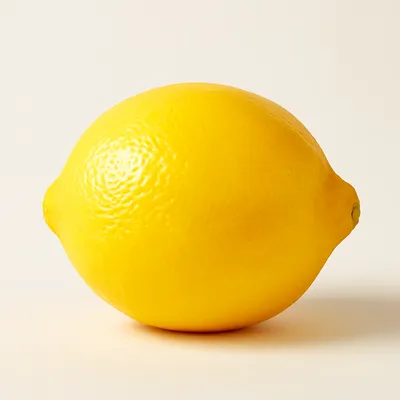




See all 181 ingredients›



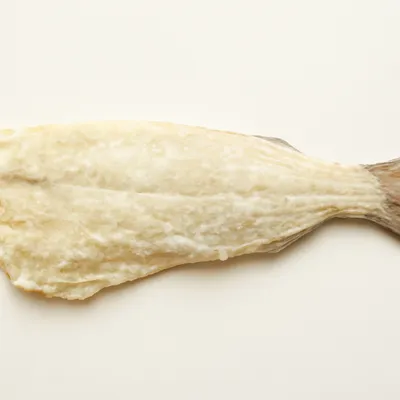


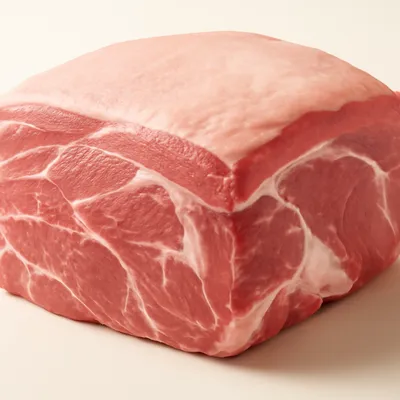



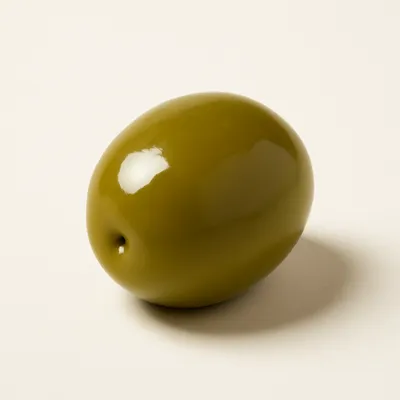
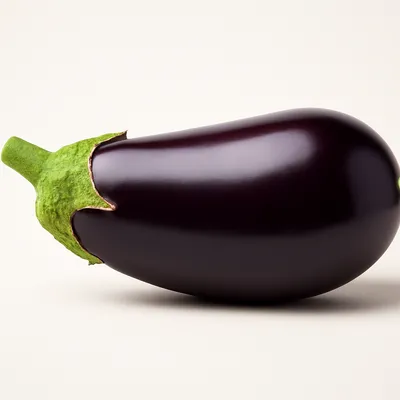









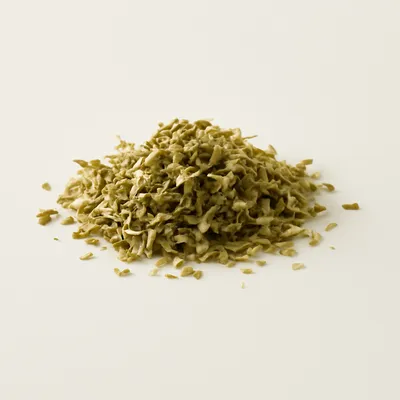
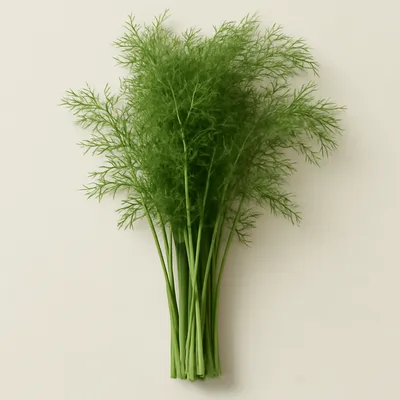


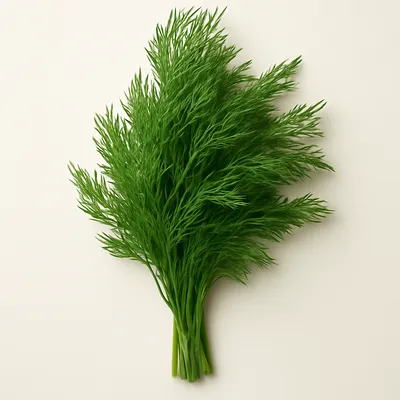
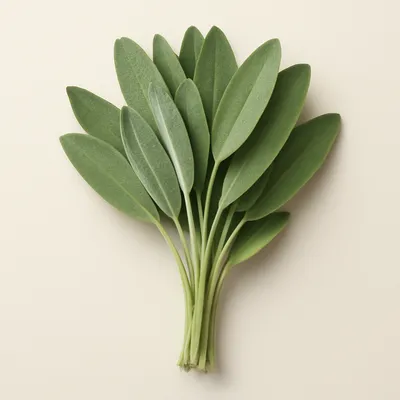










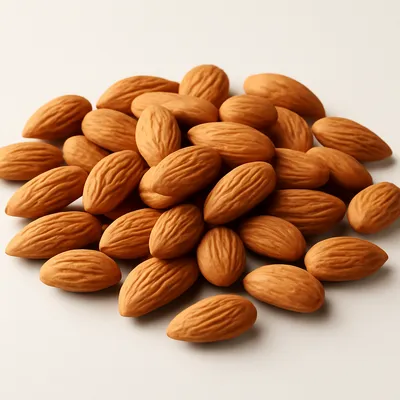


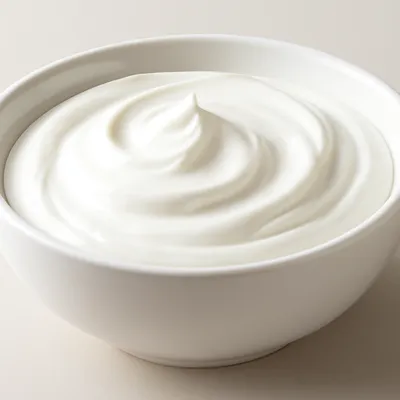



Sauces & Condiments








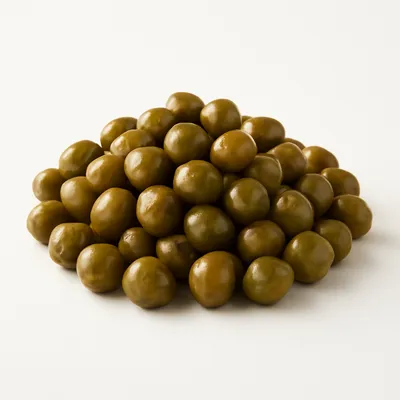
Other

Regional Kitchens
Four regional kitchens, from the mainland canon to the Aegean islands. Tap a region to see its table.
Taverna canon — feta, olive oil, lamb, the Greek that everyone knows.
Island seafood, capers, sun-dried tomatoes — sea-salt and sand-soil flavors.
Ottoman-Balkan inflection — phyllo, sausage, spice-rich, deeper than the south. Refers to the Greek region of Macedonia, not the country North Macedonia.
Wild greens, olive-oil monoculture, paximadi rusks — Mediterranean longevity diet's home.
How They Cook
Techniques that define this cuisine
Baking
Baking in Greek cuisine is an art that brings out the richness of layered dishes like moussaka and pastitsio, creating a harmonious blend of textures.
Grilling
Grilling is central to Greek cooking, adding a smoky depth to meats and vegetables, especially in dishes like souvlaki.
See 16 more techniques›
Marinating is used to infuse Greek meats with robust flavors, preparing them for grilling or roasting, as seen in souvlaki and gyros.
Sauteing is used to quickly cook fresh ingredients, keeping their flavors bright and lively, as in the preparation of many Greek appetizers.
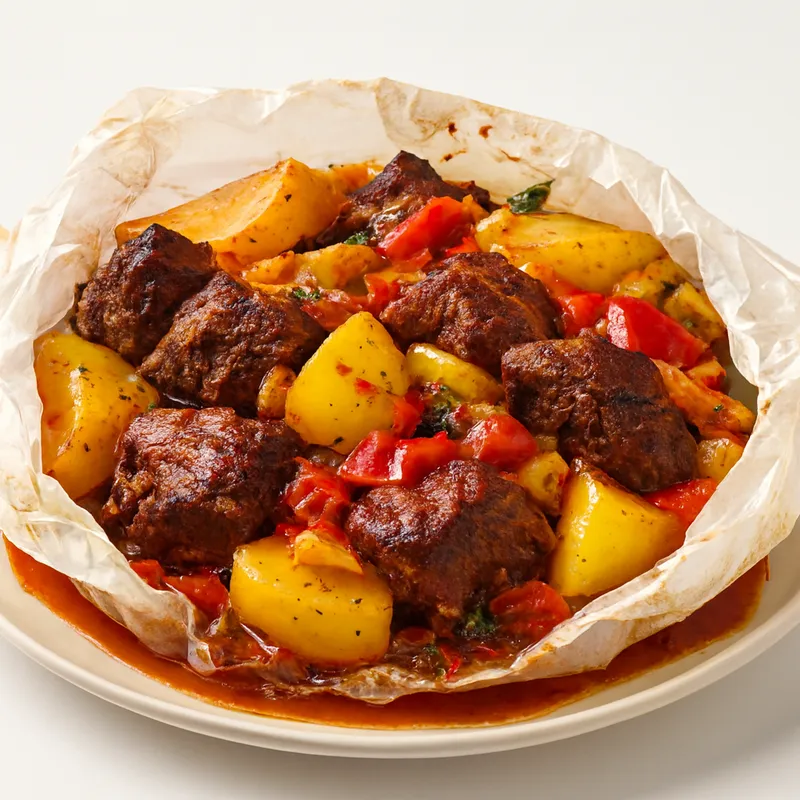
Braising allows Greek dishes like lamb kleftiko to develop deep, complex flavors as the meat slowly cooks in spices and its own juices.
Simmering in Greek dishes gently melds flavors over time, as seen in comforting stews and sauces.
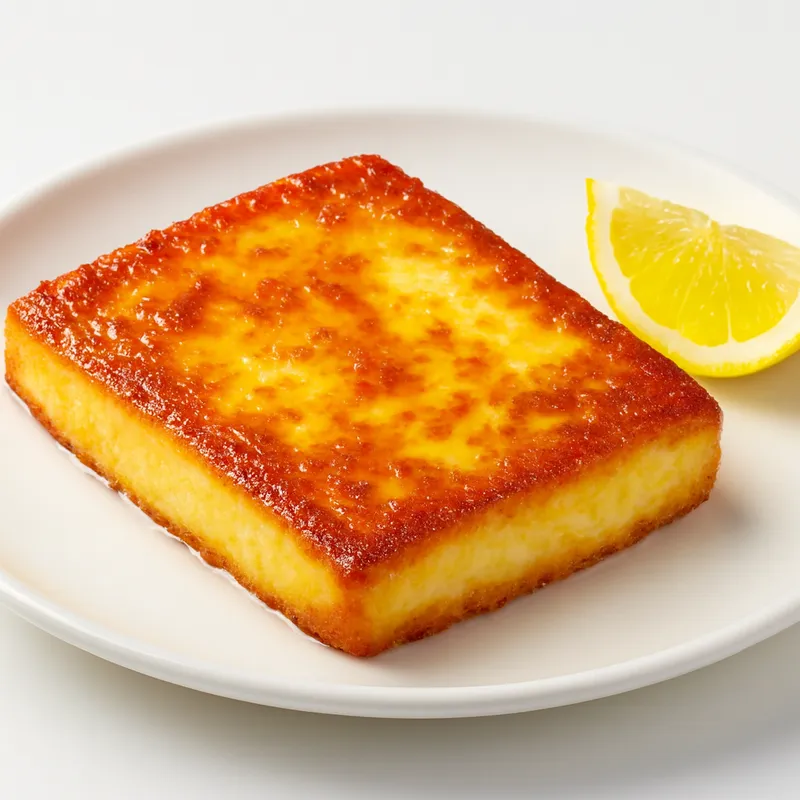
Deep frying in Greek cuisine gives a golden, crispy exterior to dishes like saganaki, enhancing the dish's contrasting textures.
Kindred Kitchens
Cuisines built on the same signature ingredients
Signature Dishes (112)
Browse all 112 dishes›
Drinks
8Starters
18
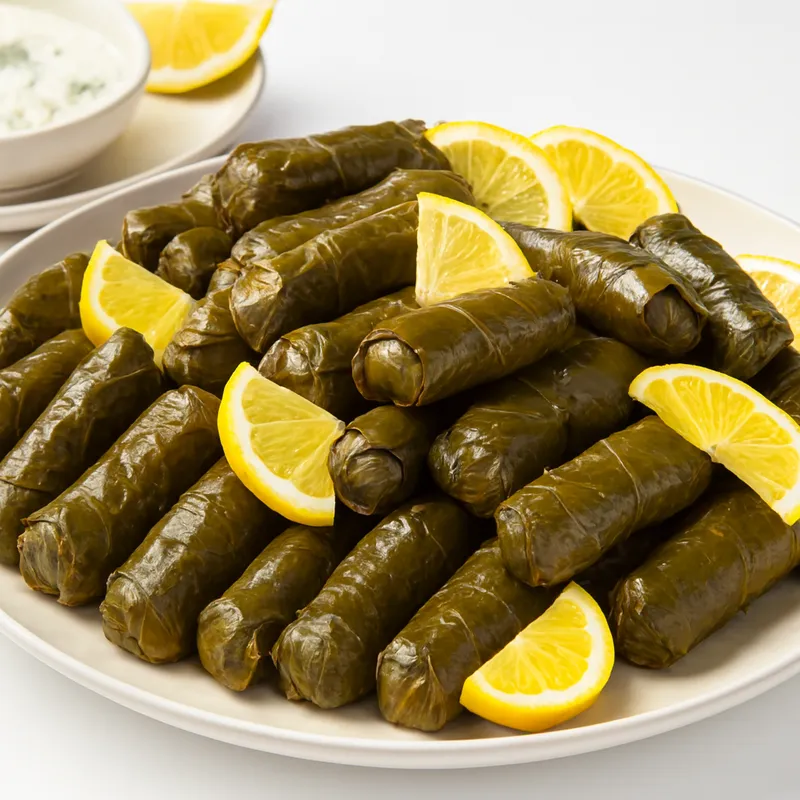




Soups
8


Mains
33