




The name and tube-pasta-and-béchamel format come from Italian pasticcio, brought to the Ionian Islands during Venetian rule (1386–1797) and later spread mainland by chef Nikolaos Tselementes, whose 1910s–1930s cookbooks reformatted Greek cuisine around French technique. Tselementes added the béchamel cap; before him, the dish was meat-and-pasta without the white layer.
Baked pasta perfection, this Greek casserole layers comforting flavors of spiced meat and creamy béchamel, creating a dish that's pure nostalgia.
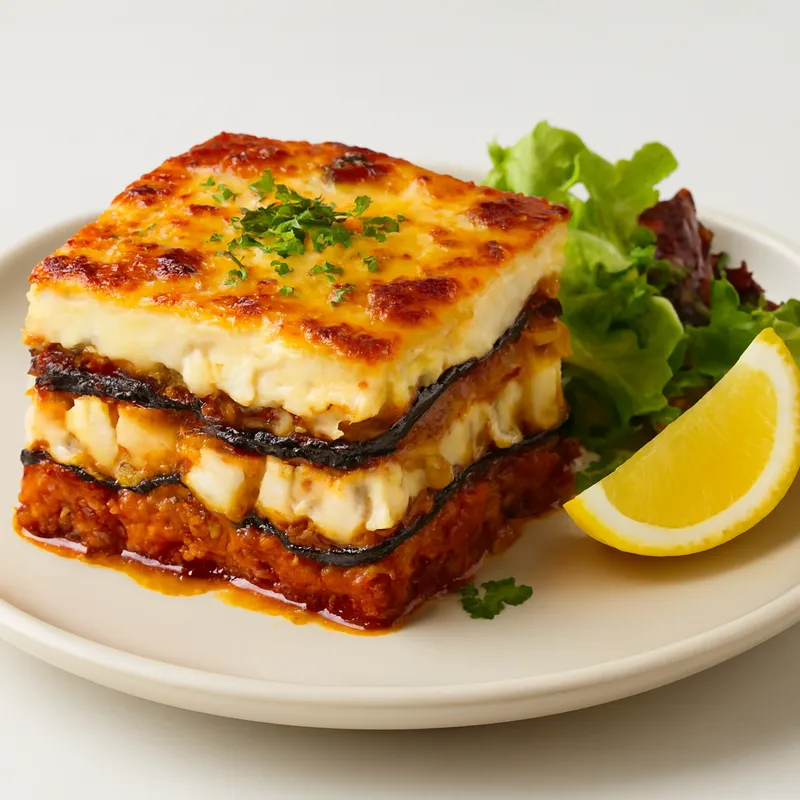
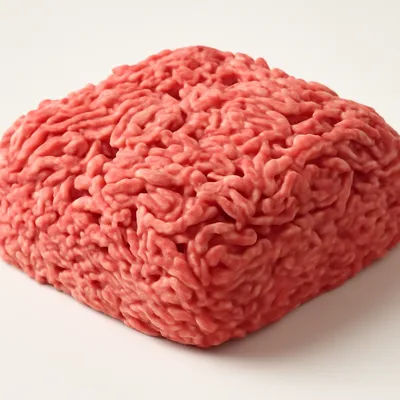
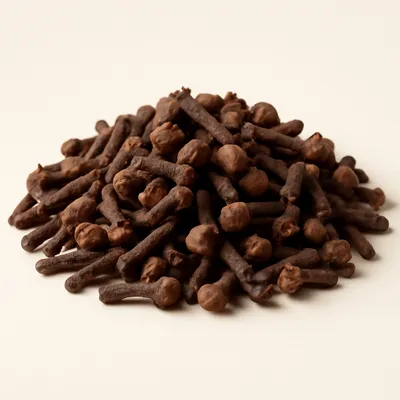
Three layers cut clean by a knife: long tubular bucatini-like pasta on the bottom standing upright, spiced ground beef or lamb sauce in the middle, thick yellow béchamel on top baked to a browned crust. Cinnamon and clove run through the meat — the giveaway that this is Greek, not Italian. Cut while still warm but rested; cut hot and the layers slump.
The béchamel needs to be thick — much thicker than French standard — because it has to hold a knife cut without sliding. Beating an egg yolk in at the end gives it that yellow set and the slight custard quality. Cinnamon in the meat sauce is small but load-bearing; remove it and the dish reads as a heavier, blander lasagna.
Variations
Pastitsada (Corfu, in red wine sauce); pastitsio with pork (older); Cypriot makaronia tou fournou is the cousin; modern Greek tavernas often skip the cinnamon — that's the corner-cut.
On the Palate
Where Pastitsio sits in the Greek flavor cloud
Ingredients










How it's made
6 steps · 1 hour 6 min
- 113 min
In a large saucepan over medium heat, warm 2 tablespoons of olive oil until it shimmers. Add the chopped onions and sauté until they turn translucent and fragrant, about 5 minutes. Add the minced meat and cook, stirring frequently, until well browned, about 8 minutes.
Watch outEnsure the meat is fully browned to deepen the flavor of the sauce.
- 220 min
Stir in the canned chopped tomatoes, tomato paste, water, wine, beef stock powder, and cinnamon. Let the mixture simmer uncovered, stirring occasionally, until it thickens and the flavors meld, about 20 minutes. Allow it to cool slightly, then stir in the beaten egg.
Watch outLet the meat sauce cook down until it's thick, not soupy — extra liquid here soaks into the pasta and makes the whole dish sloppy.
- 38 min
In another saucepan, melt 100 g of butter over medium heat. Add the flour and stir constantly until the mixture bubbles and turns a light golden color, about 3 minutes. Gradually whisk in the milk, ensuring no lumps form. Cook, stirring, until the sauce thickens and bubbles, about 5 minutes. Stir in the Parmesan until melted and smooth, then remove from heat and mix in the egg yolks.
Watch outCook the roux until it bubbles and just turns pale gold before adding milk, and whisk the milk in slowly so no lumps form; the sauce is done when it coats the spoon thickly.
- 410 min
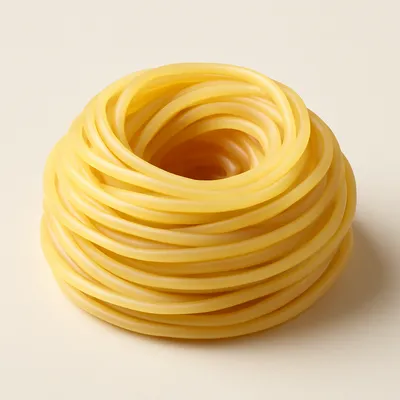
Bring a large pot of salted water to a boil. Add the pasta and cook until al dente, according to package instructions. Drain and immediately mix with the Parmesan cheese and beaten eggs in a large mixing bowl.
Watch outDo not overcook the pasta; it should be al dente as it will continue to cook in the oven.
- 510 min
Preheat your oven to 180°C (350°F). Grease a 2.5-liter baking dish with butter. Layer the pasta mixture evenly at the base of the dish. Spread the meat sauce over the pasta, then pour the béchamel sauce on top, smoothing it out with a spatula. Sprinkle the breadcrumbs evenly over the surface.
- 65 min
Bake the assembled pastitsio in the preheated oven for 1 hour, or until the top is golden brown and the edges are bubbling. Let it rest for at least 10 minutes before serving to allow the layers to set.
Watch outIt's done when the top is deep golden and the edges bubble; a pale top means the béchamel hasn't set into a skin yet.
Archive tool suggestions — not reviewed
These legacy suggestions have not been evidence-reviewed and are not presented as required tools.

Hand-held wire loop tool for beating eggs, whipping cream, emulsifying dressings, and incorporating air into batters. Balloon whisks (large round head) for whipping cream and meringues; French whisks (narrow tear-drop) for sauces in pots; flat whisks (gravy) for pan sauces. Stainless steel is universal; silicone-coated for non-stick pans.

Round metal pot, 14-26 cm diameter, with vertical walls and a long handle, designed for sauces, soups, oatmeal, rice, boiled vegetables. The vertical walls minimize evaporation (vs. a sauté pan). Sizes: 1 qt for melting butter, 2-3 qt for sauces, 4 qt for soups. Stainless-steel-clad aluminum or copper is best for conduction; cast-iron is too thick for delicate sauces.