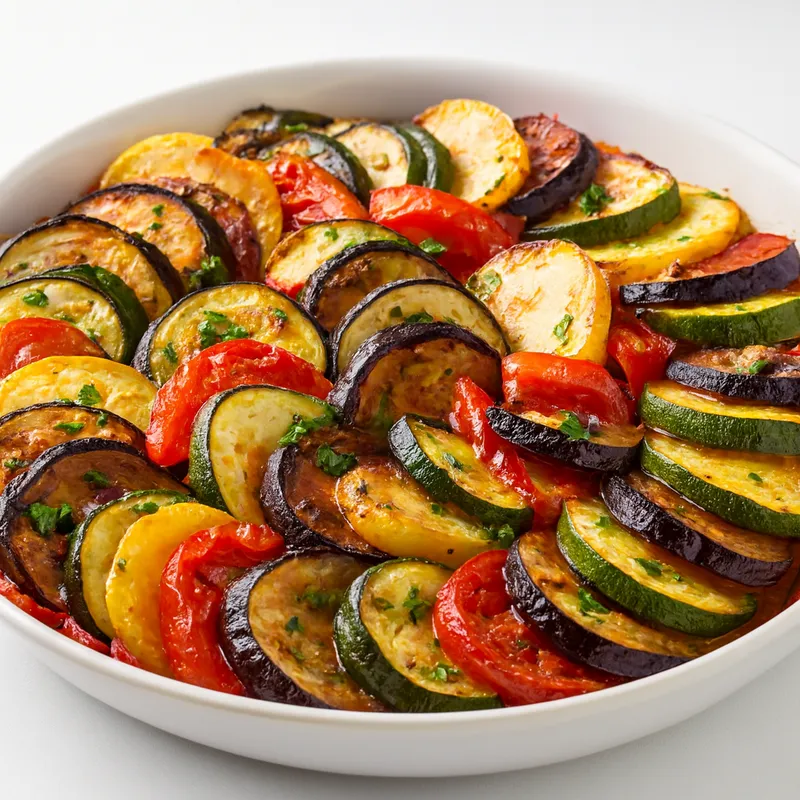
Eliopita is a savory olive bread of the eastern Mediterranean — in its Greek-island form, an olive-oil-rich quick loaf or scone studded with chopped olives, soft onion or scallion, and fresh mint. It leans on the pantry of an olive-growing house: cured olives, good oil, herbs from the yard. Sliced for the meze table or wrapped up as travel food, it is rustic, oily and deeply savory rather than refined.



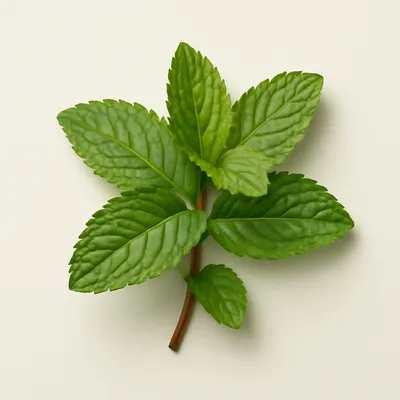

Olive breads are scattered across the Aegean wherever olives are pressed, the dough a way to put up the cured fruit and the oil at once; the same dish is closely shared with Cyprus, where it is equally a household staple. The Greek-island version typically keeps to olives, onion and mint and is often a fast baking-powder loaf. The Cypriot eliopita is the better-documented relative, traditionally a yeasted or phyllo pie whose dough is mixed with orange juice and which leans on wrinkled throuba olives and spring onion. Both are home cooking with no single fixed recipe.
Dense and moist, heavy with oil, the crumb tinged grey-green where the olive flesh bled into it. Salt-cured olive hits first — briny, slightly bitter — cut by the cool lift of mint and the sweetness of softened onion. The crust is thin and chewy. It eats almost like a savory cake, satisfying at room temperature, and only gets better the second day as the flavors settle in.
Olives must be pitted, roughly chopped and patted dry — their cure carries a lot of salt and brine, so the dough itself needs little added salt, and wet olives would make the crumb gummy. Because so much olive oil goes in, the bread reads tender and almost cakey rather than crusty, the fat shortening the gluten. The onion is usually softened in oil first to take off its raw edge and sweeten it; the mint goes in raw so its volatile oils survive the bake and read fresh in the finished loaf.
Variations
The Cypriot eliopita is the most distinct relative — often a yeasted bread or phyllo pie, with orange juice worked into the dough and coriander sometimes standing in for or joining the mint. Smaller hand pies of the same filling are called eliopitakia or elioti. Some Greek-island cooks add a spoonful of tahini, others a little grape molasses for balance, and the olive of choice varies island to island, with the prized wrinkled throumbes of Thassos especially favored.
On the Palate
Where Eliopita sits in the Greek flavor cloud
Ingredients
Serves 8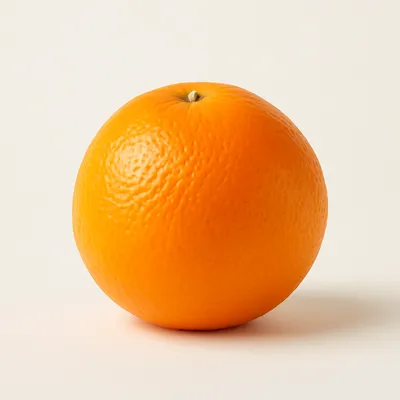
How it's made
7 steps · 25 min active + 50 min waiting
- 110 min
Pit and roughly chop the olives, then pat them thoroughly dry.
Watch outPat the olives thoroughly dry — brined olives carry a lot of salt and water, and wet ones turn the crumb gummy.
- 210 min
Soften the chopped onion in a little olive oil until translucent and sweet; cool.
- 36 min
Whisk flour with baking powder; add the olives, onion and chopped fresh mint.
- 45 min
Pour in the olive oil and enough water (or orange juice) to make a thick, sticky batter.
- 54 min
Scrape into an oiled loaf or round tin and level the top.
- 645 min
Bake at 180C until set, golden and a skewer comes out clean, about 40-45 minutes.
Watch outA skewer should come out clean at 40 to 45 minutes — this loaf is dense with oil, so underbaking leaves the center raw.
- 730 min
Cool in the tin before slicing; serve at room temperature.
Archive tool suggestions — not reviewed
These legacy suggestions have not been evidence-reviewed and are not presented as required tools.