


Aegean
Salt wind and volcanic soil — island cooking built on what arrives by boat.
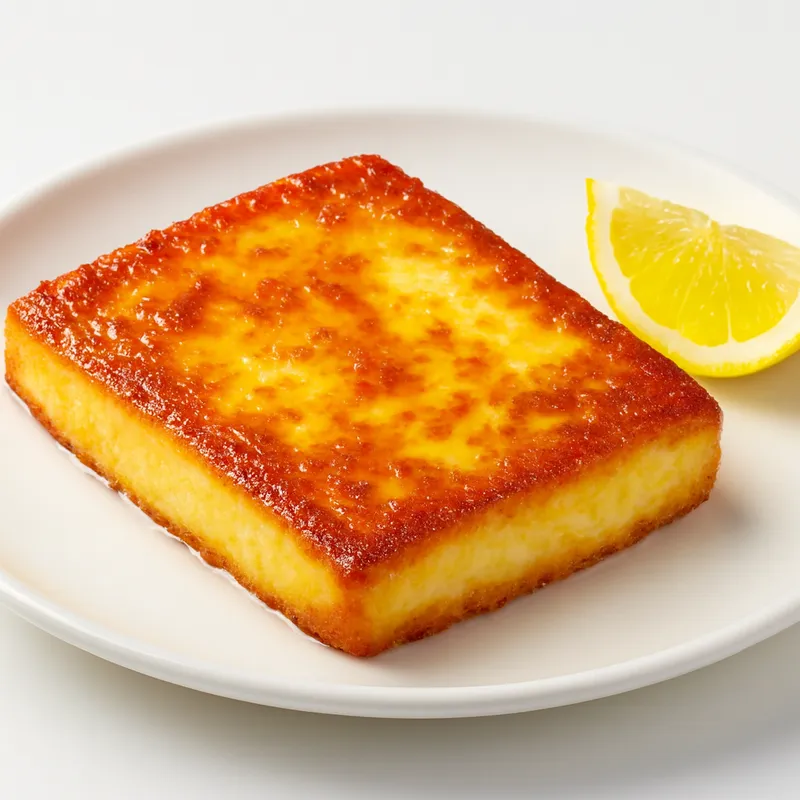
Saganaki
Greek pan-fried cheese flambeed tableside, yielding a golden crust and molten center, served with lemon
View page →On a Cyclades island in July the heat presses everything flat by noon and you eat outside under tamarisks: octopus charred over coals, tomatokeftedes frying in the back kitchen, a Karpathos pasta dressed only with caramel onion and sharp goat cheese. The fish is whatever the small boats brought in. The tomatoes are tiny and unbearably sweet because Santorini's volcanic soil holds almost no water. A shot of ouzo turns milky-white when the cold water hits it.
Within Greece's regional kitchens, the Aegean is the one shaped by what the boats deliver and what survives the salt wind. Cyclades cooking leans on capers, sun-dried fava, cherry tomatoes, and seafood; Dodecanese islands carry Italian-Ottoman cross-currents (makarounes from Karpathos are Italian-by-shape, sour-goat by tradition); the North Aegean adds smoked fish and ouzo distilleries. The shared move is restraint — six ingredients, big sea, lemon and salt.
Start Here
Spiny lobster simmered in white wine and tomato, spaghetti cooked in the broth — the island taverna's celebration.
Why start here · It teaches the move — fish, wine, tomato, pasta in the same pot, ouzo at the finish.
Santorini's volcanic tomatoes fried into crimson fritters with mint and onion — no egg, no water.
Why start here · Once you taste a tomato grown on volcanic soil, the rest of the season's tomatoes feel wet.
Sheep's cheese seared in a small pan, sometimes flambéed with ouzo at the table — meze theatre at its purest.
Why start here · Show-off cheese done right; understand this and Greek meze culture clicks.
The Pantry



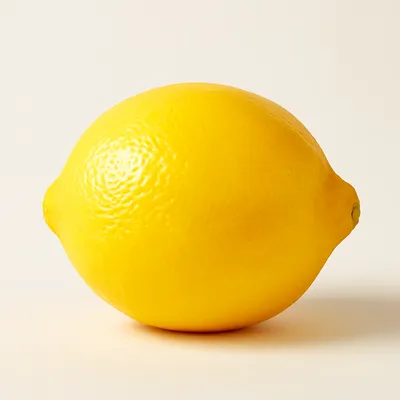
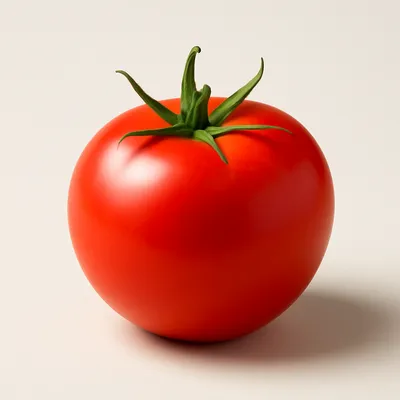

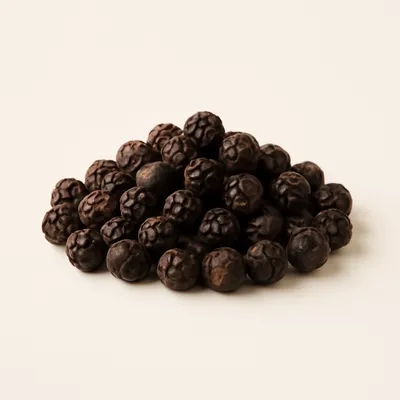

See all 81 ingredients›


























Sauces & Condiments






Other

How They Cook
Techniques that define this cuisine
See 10 more techniques›
Kindred Kitchens
Cuisines built on the same signature ingredients
Other regions
Siblings within Greek — each its own tradition.


