


Aegean Turkish
Olive oil, herbs, sea — the Mediterranean-Turkish coast.
Dolma
Grape leaves stuffed with spiced rice, pine nuts, currants, and herbs, served warm or cold with lemon
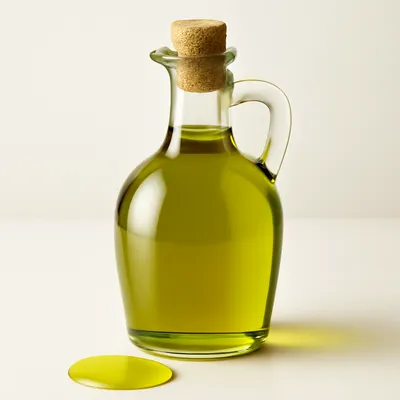
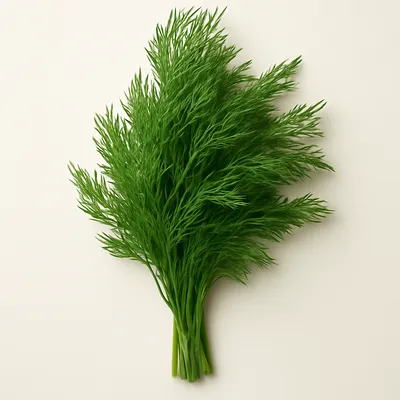
View page →Aegean Turkish cuisine — from İzmir, Çeşme, Bodrum, Kuşadası, and the surrounding farming hinterland — is the most Mediterranean of all Turkish regional kitchens. The cuisine is olive-oil-rich (not butter-rich like Anatolian), herb-forward (lots of dill, mint, parsley), and seafood-aware (the Aegean's daily fresh catch is central). The signature flavor profile is bright, light, and acidic: lemon and yogurt are constant companions, while heavy spices and chili are restrained.
The Aegean is the heartland of zeytinyağlı dishes (vegetables slow-cooked in olive oil and served at room temperature — imam bayıldı, zeytinyağlı enginar, zeytinyağlı fasulye), of meze culture (cacık, haydari, patlıcan salatası, mücver, sigara böreği as starters before main courses), and of the rakı table tradition. Fresh fish preparations are mostly simple: grilled whole fish with olive oil and lemon, levrek buğulama steamed in white wine and tomato, or octopus salad with capers. The cuisine has visible Greek-Anatolian crossover (many dishes are shared between Aegean Turkey and the Greek islands across the sea), reflecting millennia of cultural exchange.
Dishes to explore
Cacık
Aegean cacık is thin and drinkable (closer to soup than dip); inland cacık is thicker.
Cacık is the universal Turkish meal opener — cool, garlicky, herby; pairs with every grilled meat.
Levrek Buğulama
Steam-cooks the fish over a vegetable bed — no direct heat, perfect tenderness.
Levrek Buğulama is the Aegean home-kitchen seafood preparation — what mothers cook on a quiet Tuesday.
Mücver
Squeeze the grated zucchini dry — wet batter gives soggy fritters.
Mücver is summer Aegean Turkish in a single fritter — vegetable + herbs + feta + egg.
The Pantry






See all 75 ingredients›




Vegetables













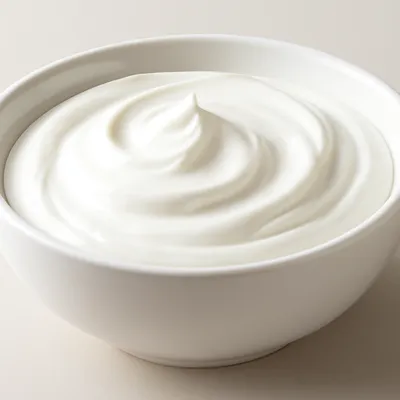




Sauces & Condiments




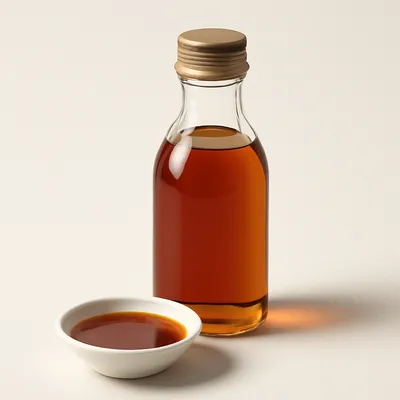


How They Cook
Methods linked to dishes in this catalog
Related cuisines
Linked by ingredient records in this catalog
Other regions
Siblings within Turkish — each its own tradition.