


Black Sea Turkish
Cool wet coast — hamsi anchovies, cornmeal, hazelnuts, dark green kale.
Pide
Boat-shaped Turkish flatbread filled with cheese, egg, or spiced meat, baked in a wood-fired oven
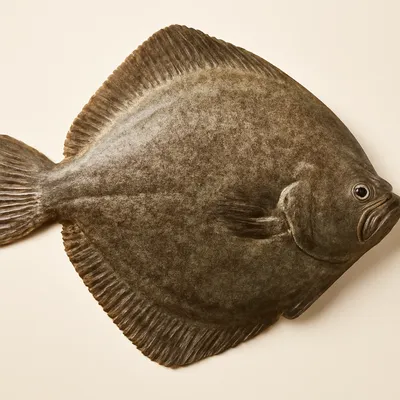
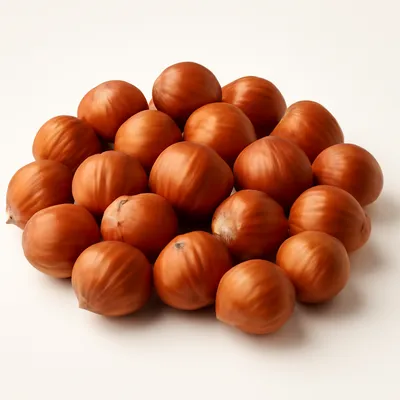
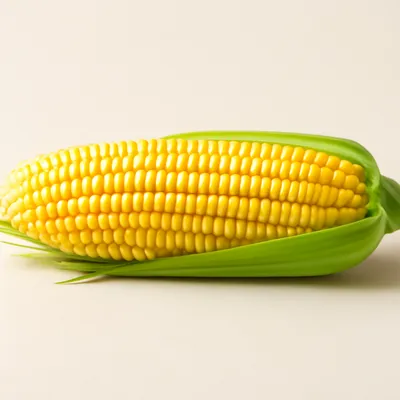
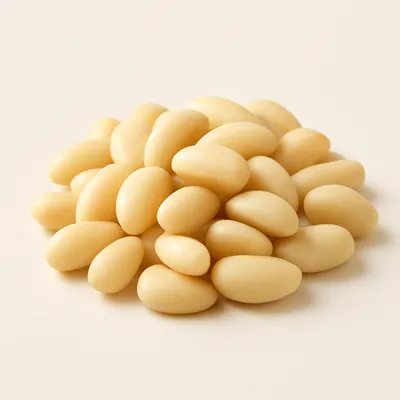
View page →Black Sea Turkish cuisine grows out of the unique microclimate of Turkey's north coast — cool, wet, foggy summers and snowy winters, more like the Caucasus than the Mediterranean. The cuisine evolved around hamsi (Black Sea anchovies, which migrate through Trabzon-Rize waters in autumn-winter abundance), corn (introduced from the Americas via Ottoman trade because wheat didn't thrive in the wet climate), hazelnuts (the region produces 70% of the world's hazelnuts), and dark-green kale-like karalahana (which thrives in the cool weather).
Signature dishes are unmistakably regional: hamsili pilav (anchovies arranged sunburst-fashion over buttery rice pilaf, baked), mıhlama/muhlama (the cheese-and-cornmeal fondue that's the canonical Black Sea breakfast), karalahana çorbası (the local kale soup), Akçaabat köftesi (the hand-chopped meatballs of Trabzon's Akçaabat district), and Laz böreği (the unique dessert pastry of the eastern coast's Laz minority). The cuisine has visible Caucasian influences from Georgia and historical Pontic Greek roots, making it distinct from the Mediterranean-influenced south.
Start Here
Arrange the hamsi in a sunburst pattern — heads to the center, tails radiating out — for proper presentation.
Why start here · Hamsili Pilav is the Black Sea wedding dish — the most celebrated regional preparation.
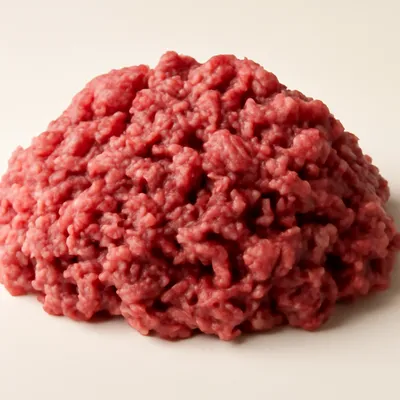
Hand-chopping (not grinding) is the Akçaabat signature — the meat must have visible texture, not smooth paste.
Why start here · Akçaabat Köftesi is Trabzon's most-exported dish — found everywhere in Turkey now.
Use karalahana or lacinato kale — curly kale doesn't have the right structure for the long simmer.
Why start here · Karalahana Çorbası is the cold-weather Black Sea soup — heart-warming on foggy days.
The Pantry



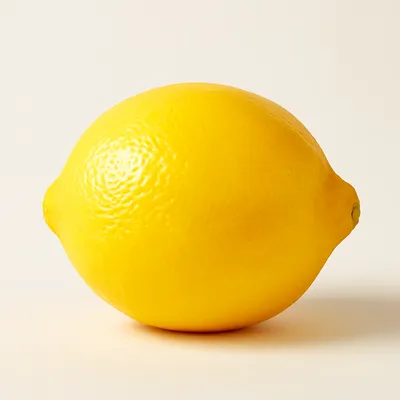



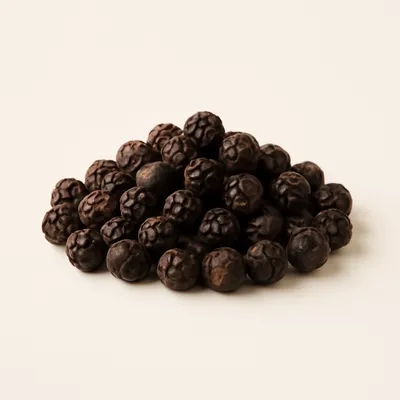
See all 56 ingredients›
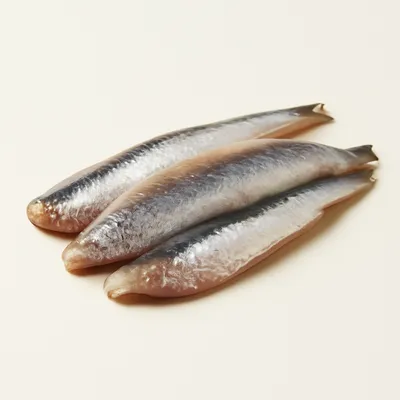
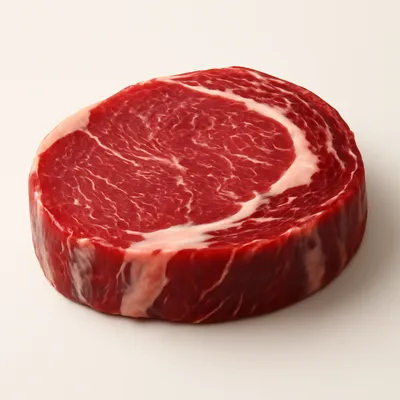






















Sauces & Condiments





How They Cook
Techniques that define this cuisine
See 4 more techniques›
Kindred Kitchens
Cuisines built on the same signature ingredients
Other regions
Siblings within Turkish — each its own tradition.


