


Damascus
Fattet hummus: chickpeas, crisp pita, tahini-yogurt.
Fattet Hummus
Fattet Hummus is the Damascene fatteh — chickpeas layered with crisp pita, tahini-yogurt, and browned butter-pine-nut.
View page →Damascus is one of the oldest continuously inhabited cities on earth, and its table carries the refinement of an ancient capital. The kitchen is built on the fatteh family — stale bread toasted and crumbled, layered with chickpeas or eggplant, bathed in tahini-yogurt, crowned with browned butter and pine nuts — eaten from breakfast to feast. Mahshi, the stuffed vegetables, reach their most elaborate here: eggplant, zucchini, grape leaves and cabbage each filled with spiced rice and meat and simmered slowly. The sweets inherit Ottoman and Levantine layers: halawet el jibn (semolina-cheese rolls with clotted cream), zainab's fingers (fried semolina-cream in syrup), mabruma (knotted pistachio confection). Damascene cooking is gentler and milkier than Aleppo's, prized for layering and timing rather than spice intensity.
The Palate
Start Here
Crisp fried pita, stuffed baby eggplant, spiced meat and garlicky yogurt — the Damascene fatteh at its most festive.
Why start here · The fatteh tradition at its richest, a Ramadan centerpiece.
Lamb simmered until tender, folded into stabilized yogurt — the home-comfort stew of Damascus.
Why start here · Shows the Damascene art of cooking meat in yogurt without curdling.
Soft semolina-cheese dough rolled around clotted cream, drenched in orange-blossom syrup.
Why start here · The sweet that marries stretchy cheese and perfume.
The Pantry

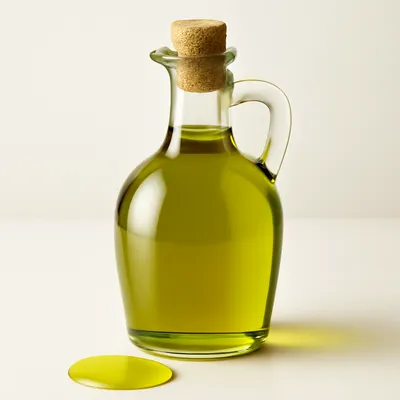
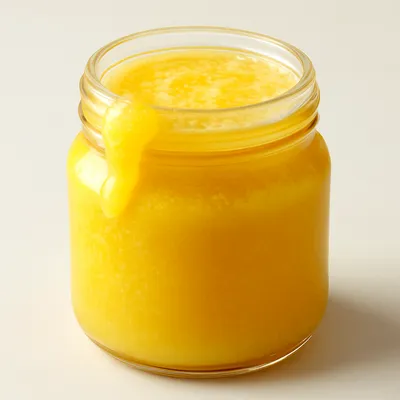
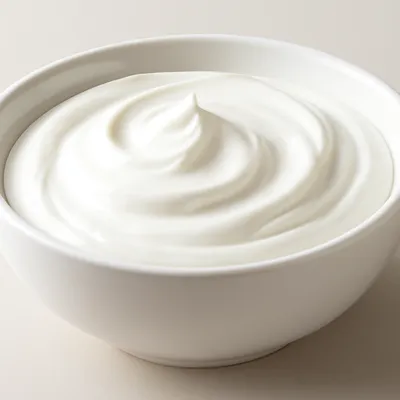

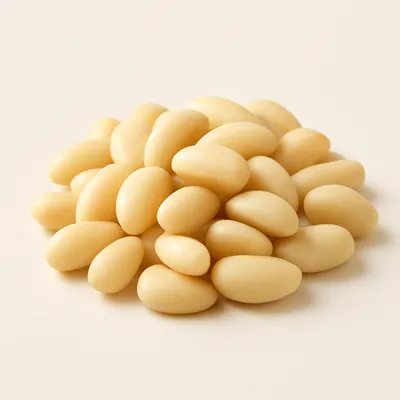
See all 58 ingredients›




Vegetables
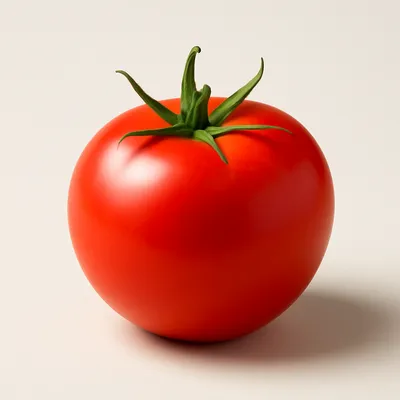
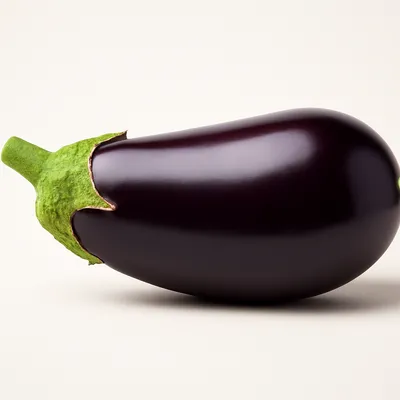
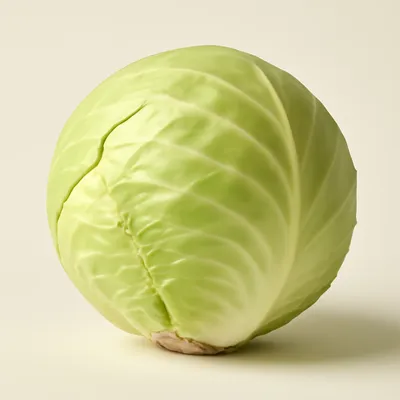

Fruits


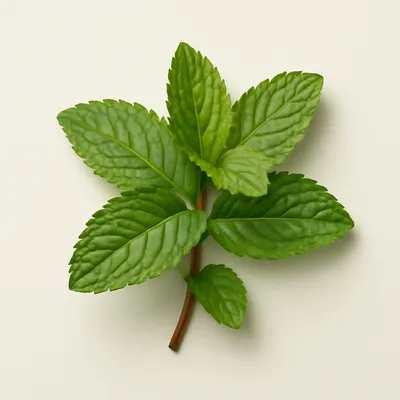





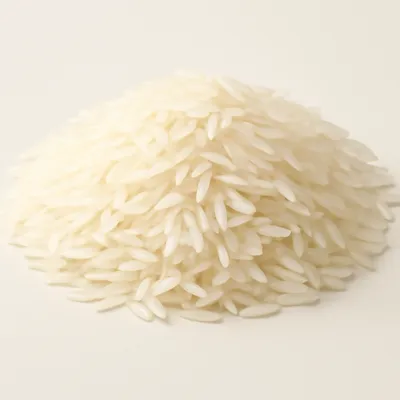

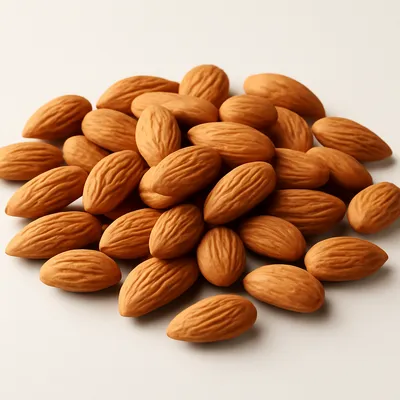



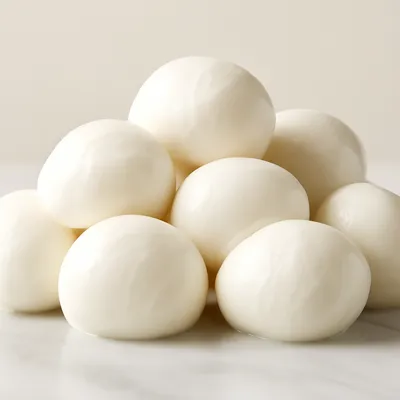

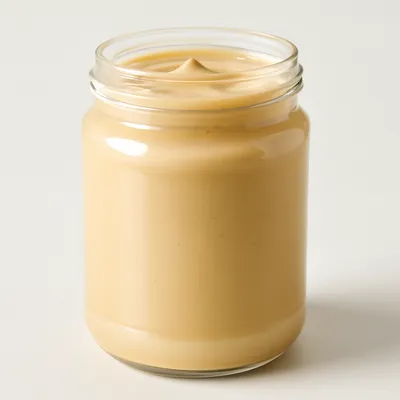





Other
How They Cook
Techniques that define this cuisine
Kindred Kitchens
Cuisines built on the same signature ingredients
Other regions
Siblings within Syrian — each its own tradition.
