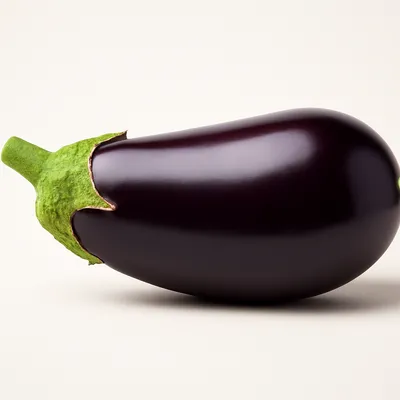


Fattet Makdous is built around makdous — baby eggplants boiled soft, slit and stuffed with walnuts, red pepper and garlic, then submerged in olive oil to cure for weeks — a Levantine preserve that Syrians are famous for preparing since ancient times, made in autumn when the small eggplants appear. The fatteh layering tradition (from Arabic fatta, to crumble) has deep roots: it stems from the old taboo on wasting bread, turning day-old loaves into the base of celebratory dishes. Fattet Makdous is specifically Damascene and one of the most beloved dishes on the Syrian Ramadan iftar table.
The bottom layer of fried pita has gone soft and sopped up the yogurt-tahini, with a faint crunch remaining. The stuffed eggplant is silky and rich, the walnut-meat filling savory and deep. The garlic-tahini yogurt is cool and tangy, and the browned butter with pine nuts crowns it with nutty, toasty richness. It is the fatteh family at its most festive.
Frying the pita hardens its starches into a glassy crispness that then slowly absorbs the yogurt-tahini sauce without dissolving to mush — the Maillard browning on the bread also adds toast flavor. The makdous eggplants, already oil-cured, carry deep savory complexity from the long lactic-fermented walnut-garlic filling. The yogurt must be stabilized (beaten with a little cornstarch and gently warmed) so it does not curdle when it meets the hot dish. Tahini emulsifies into the yogurt, adding fat and sesame depth. The browned-butter finish ( clarified butter cooked until the milk solids toast) adds nutty compounds (diacetyl, furans) that perfume the whole dish.
Variations
Some versions skip the makdous and use freshly fried eggplant slices. The tahini-yogurt ratio varies; more tahini makes it richer. A non-Ramadan version sometimes adds chickpeas as another layer.
On the Palate
Where Fattet Makdous sits in the Syrian flavor cloud
Ingredients
Serves 6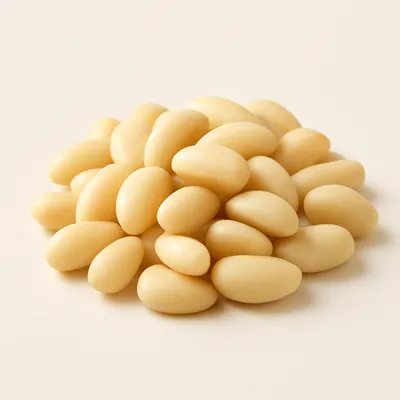
How it's made
5 steps · 1 hour
- 110 min
Take 12 small baby eggplants; boil them whole in salted water 8-10 minutes until just soft; drain, press under a weight 1 hour to expel water, then slit each lengthwise without cutting through.
Watch outPress the boiled eggplants under a weight a full hour to expel water — soggy shells fall apart when you stuff and fry them.
- 212 min
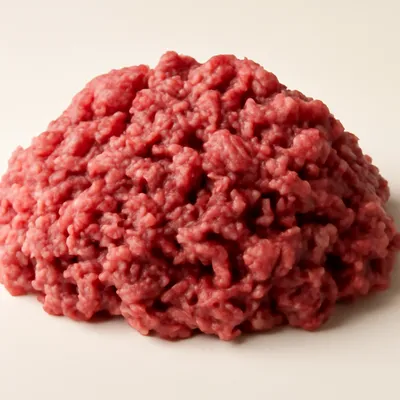
Make the filling: sauté 200g ground lamb with 1 diced onion until browned; stir in 80g chopped walnuts, 50g toasted pine nuts, 1 tsp allspice, 1 tsp Aleppo pepper and salt; cool slightly, then stuff each eggplant generously.
- 38 min
Fry the stuffed eggplants in 1cm of oil over medium heat until golden all over; drain.
- 45 min
Cut 2 large pitas into triangles and deep-fry (or toast) until crisp and golden; spread half over the base of a serving dish.
- 515 min
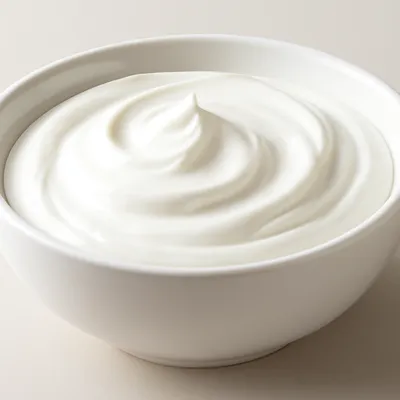
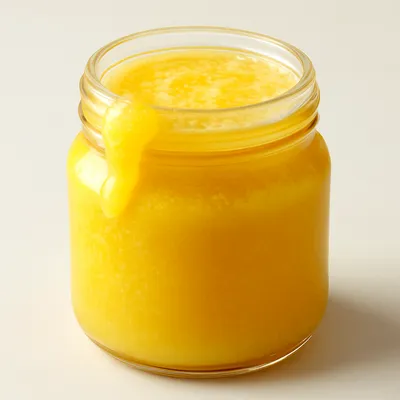
Stabilize 500g yogurt: whisk with 1 tbsp cornstarch and 2 crushed garlic cloves, warm gently over low heat stirring until it just steams (do not boil); stir in 3 tbsp tahini and 2 tbsp lemon juice. Pour half over the pita, arrange the eggplants on top, add the remaining pita and pour the rest of the yogurt over. Finish with 3 tbsp ghee browned with pine nuts poured hot over the dish.
Watch outWarm the cornstarch-stabilised yogurt only until it just steams — let it boil and it curdles into grains against the hot dish.

