


Azerbaijani
Plov in dozens of regional variants from the Sheki kazan, Dushbara tiny lamb dumplings in clear broth, Lavangi walnut and pomegranate stuffing inside chicken or fish, Dovga yogurt and herb soup chilled in summer — Azerbaijani cooking is the Caspian plateau between Persian, Turkic, and Caucasian tables, with the deepest pomegranate-walnut pantry in the region.
Plov Azerbaijani
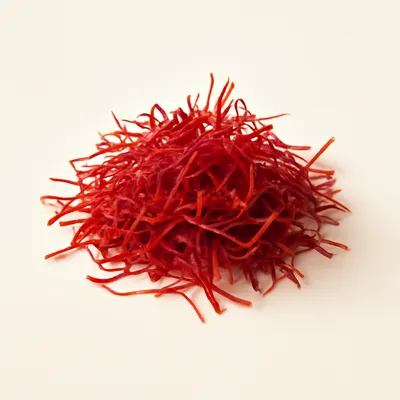
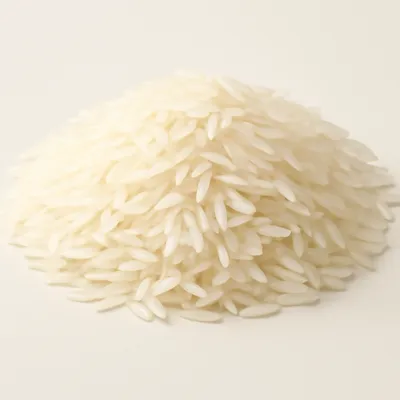
Azerbaijan's signature dish — long-grain Sadri rice cooked in two stages: first parboiled until half-cooked, then steamed in a deep pot with saffron-and-butter-soaked rice on top of a crispy bottom crust (qazmaq) of rice or thin flatbread. Served with lamb-and-dried-fruit khoresht (stew) spooned over. The festive Friday family lunch and celebration centerpiece.
View page →Azerbaijan sits at the crossroads of the Caucasus, Persia, and the Caspian Sea — and its cooking is built on centuries of Silk Road trade and Persian-Turkic-Caucasian fusion. The signature is plov, the layered saffron rice with lamb and dried fruit cooked in two stages over a crispy qazmaq crust — 50+ documented regional plov variations across the country. Eggplant, pomegranate, sumac, tarragon, and saffron define the flavor profile. Lavangi (whole stuffed duck or fish with walnut-pomegranate paste), dolma (stuffed vine leaves, UNESCO-listed), dushbara (tiny dumplings in saffron broth), qutab (stuffed flatbread), and dovga (brilliant-green herb-and-yogurt soup) are the universal dishes. Tea drinking at the samovar — chay in armudu pear-shaped glasses — is the social fabric. The Goychay pomegranate harvest, the Sheki halva tradition, the Lankaran lavangi celebration, and the Caspian sturgeon caviar all anchor regional identity. The Azerbaijani diaspora across Moscow, Tehran, and Tabriz preserves the tradition globally.
The Palate
Dishes to explore
Plov Azerbaijani
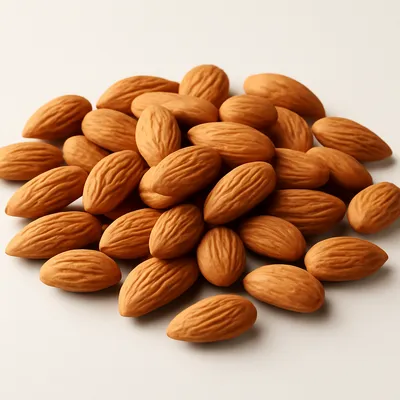
Saffron-streaked rice cooked in two stages with lamb, dried apricots, raisins, chestnuts, crispy qazmaq crust at the bottom. Pomegranate seeds and toasted almonds on top.
Azerbaijan's national dish. Master the two-stage cooking technique and you understand the most-developed pilaf tradition in the world.
Lavangi
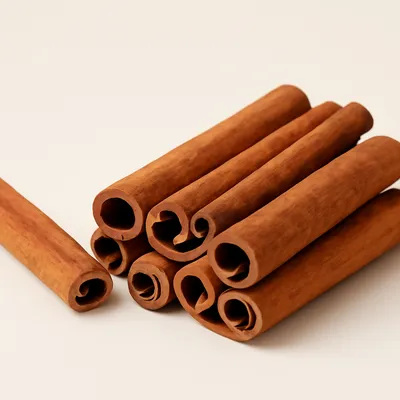
Whole duck (or fish) stuffed with a paste of ground walnuts, caramelized onions, pomegranate molasses, raisins, sour plums, cinnamon, then slow-roasted until mahogany-crisp. The walnut-pomegranate combination exists nowhere else.
The Lankaran-region specialty that's spread nationwide. The dish that represents Azerbaijan's culinary singularity — unique flavor profile, technique, and cultural significance.
Dovga
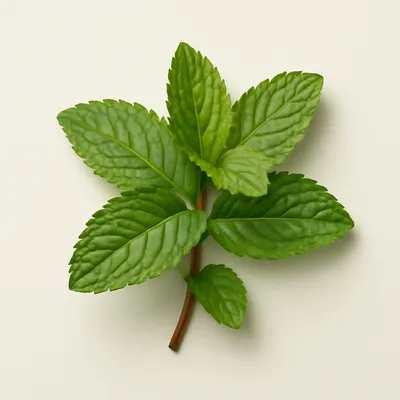
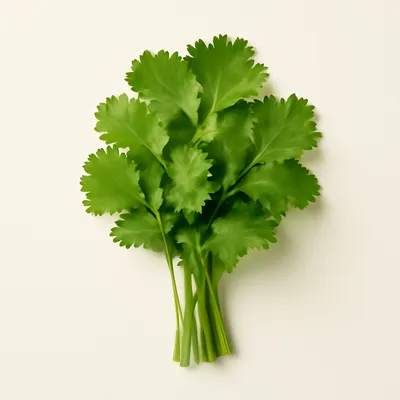
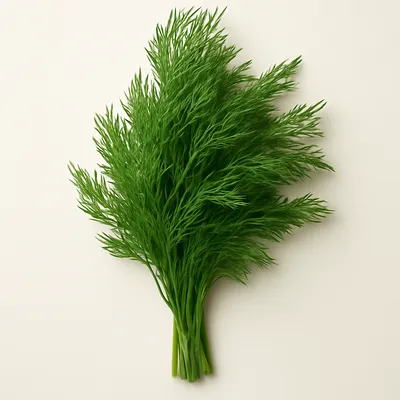
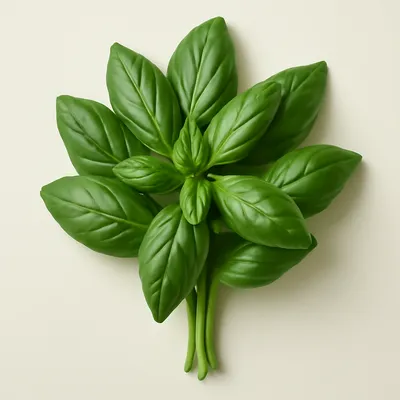
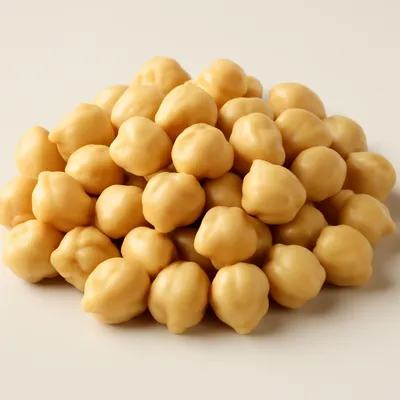
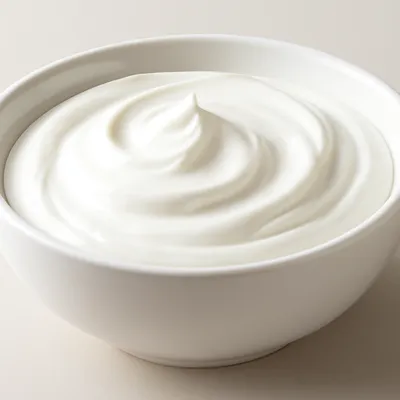
Brilliant-green spring herb-and-yogurt soup — 5-7 fresh herbs (dill, mint, basil, tarragon, cilantro) whisked into yogurt with rice and chickpeas. The Novruz New Year centerpiece.
Azerbaijan's defining spring dish. Demonstrates the country's love of fresh herbs at the highest concentration — every spoonful tastes of the garden.
The Pantry





See all 66 ingredients›
Proteins
















Dairy & Fats


Sauces & Condiments




Other

On the Map
Where this cuisine is found
Regional Styles
Baku and the Caspian
The capital, Caspian Sea port, and oil-rich center. Plov, dushbara, sturgeon caviar, Italian-fusion modern restaurants.
Lankaran (South Caspian)
The lavangi homeland. Walnut-pomegranate cuisine, citrus orchards, tea plantations, sturgeon and rice paddies.
Sheki (Northwest)
The royal court city famous for pakhlava and silk. Traditional Caucasus-Persian crossroads cuisine.
How They Cook
Methods linked to dishes in this catalog
Related cuisines
Linked by ingredient records in this catalog