
Azerbaijan's national dish — long-grain rice cooked in two stages with saffron, butter, dried apricots, raisins, chestnuts, and lamb (or chicken). The rice is built on a crispy bottom crust (qazmaq) made from rice, a sheet of flatbread, or an egg-yogurt-flour batter; saffron-and-butter-soaked rice on top creates the layered amber-golden look. Its defining trait is that the components are kept separate, not mixed: the saffron rice is mounded on its own, while the stewed meat-and-dried-fruit topping (collectively the gara) is plated alongside. Served on a giant communal platter with the meat-and-fruit gara spooned over and pomegranate seeds scattered. 50+ regional plov variations across Azerbaijan.



Plov is Azerbaijan's national dish and one of its best-known rice dishes. Sitting between the Caucasus, Persia, and the Caspian on the Silk Road, Azerbaijan is where Persian, Turkic, and Caucasian food traditions meet, and plov is a product of that confluence. Unlike Persian and Central Asian plov, where rice and meat are cooked and served together in one pot, the Azerbaijani version keeps the elements apart: the rice is parboiled and steamed on its own and tinted with saffron, while the meat-and-fruit topping (the gara) is made separately. More than 50 regional plovs are documented, including shah plov (the filling encased between layers of qazmaq), parcha-dosheme plov (chicken and quince), a Caspian sturgeon version, and qovurma plov with stewed lamb. It is the centerpiece of every Azerbaijani wedding, which can call for 10+ kg of rice. Baku restaurants and the Azerbaijani diaspora (Moscow, Tehran, Tabriz) keep the tradition; every family has its own recipe.
Spoon a portion of plov onto your plate — saffron-streaked golden rice, fall-apart-tender lamb chunks studded with apricots and prunes, a piece of crispy mahogany-golden qazmaq, pomegranate seeds glistening. First bite: the saffron-butter rice is perfumed with floral notes, the lamb is meltingly tender, the dried apricot bursts with concentrated sweetness, the chestnut adds nutty body, the qazmaq crunches contrastingly. Sip Azerbaijani red wine. The dish that Baku grandmothers and the old feasts of Sheki have prepared for generations with the same loving care.
The two-stage cooking is the key to Azerbaijani plov's distinctive texture: parboiling sets the grain structure without fully cooking; the subsequent steam-bake (with butter, saffron, and rising steam) finishes the cooking gently, keeping each grain separate and fluffy. The qazmaq's crispiness comes from direct contact with the heated butter; the rest of the rice is essentially steamed. Saffron's crocin compound (responsible for color) is water-soluble — blooming in hot water extracts maximum pigment. The fruit-meat topping (gara) builds a second, sweet-and-savory layer of flavor served apart from the rice.
Variations
Shah plov is the royal-court version, with the filling encased between layers of qazmaq (a 'rice pillow'). Sturgeon plov uses Caspian sturgeon — a Baku coastal preparation. Chicken parcha-dosheme plov uses bone-in chicken with quince. Vegetarian plov uses just dried fruits and nuts. Diaspora plov uses easier shortcuts (Tabriz steams rice in stock; Tehran borrows the Persian tahdig technique). Sheki's lavish version uses a sheet of yufka dough for the qazmaq instead of rice.
On the Palate
Where Plov Azerbaijani sits in the Azerbaijani flavor cloud
Ingredients
Serves 6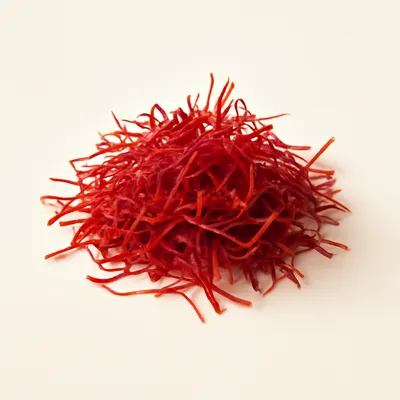




How it's made
14 steps · 1 hour active + 1 hour 30 min waiting
- 170 min
Rinse 500 g long-grain Sadri or basmati rice 4-5 times until water runs clear. Soak in lightly-salted warm water 1-2 hours; drain.
- 280 min
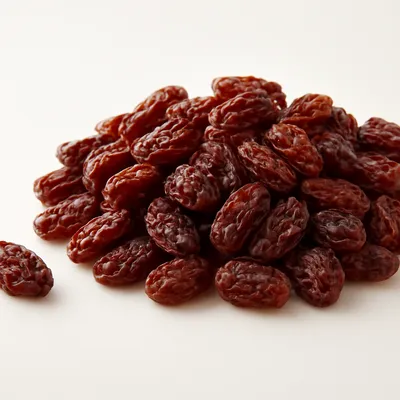
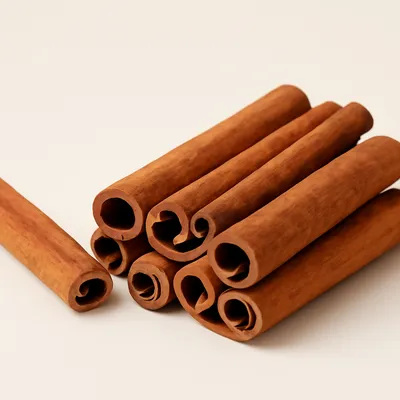
Make qaurma (lamb-fruit khoresht): cube 600 g lamb shoulder into 4-cm pieces. Sear in 2 tbsp butter; remove. Sauté 2 sliced onions until deeply caramelized (12 min). Add the lamb back + 100 g dried apricots + 80 g raisins + 60 g pitted prunes + 50 g toasted chestnuts (peeled) + 1 tsp ground cinnamon + 1 tsp turmeric + 1 tsp salt + 1 tsp black pepper. Add 400 ml water; simmer covered 60 min. Set aside hot.
- 311 min
Bloom 1 tsp saffron threads in 4 tbsp hot water 10 min. Set aside.
- 49 min
Parboil the rice: bring a large pot of salted water to a vigorous boil. Add the drained rice. Boil 7-8 min until the grains are half-cooked (firm but al dente in the center). Drain immediately in a fine-mesh sieve; do not rinse.
Watch outGrains should be half-cooked — firm outside, a hard al dente core — then drained at once without rinsing.
- 58 min
Make the qazmaq crust: in a heavy-bottomed pot (the same pot you'll cook the plov in), melt 60 g butter. Sprinkle 1/2 tsp salt over the butter. Press a thin layer of the parboiled rice (about 1 cup) firmly against the bottom — this becomes the crispy qazmaq.
Watch outPress the thin rice layer firmly onto the buttered pot bottom; tight contact is what crisps it into qazmaq.
- 65 min
Alternative qazmaq: line the bottom with a single layer of lavash or thin yufka pastry brushed with butter — Sheki royal style.
- 74 min
Mound the rest of the parboiled rice on top of the qazmaq layer in a pyramid shape (this helps steam circulation). Poke 4-5 holes through the rice with the handle of a wooden spoon.
- 83 min
Drizzle 60 g melted butter and 3 tbsp of the bloomed saffron water over the rice mound.
- 92 min
Cover the pot with a clean kitchen towel, then put the lid on tightly (the towel absorbs excess moisture).
- 1042 min
Cook on LOW heat 40-45 min. Do not lift the lid.
- 114 min
Test: the bottom should have a crispy golden qazmaq; the rice should be fluffy and saffron-streaked.
Watch outDone when the bottom is a crisp golden qazmaq and the rice above is fluffy and streaked with saffron gold.
- 128 min
Plate: scoop the saffron rice onto a large platter, mounding it. Break the qazmaq into pieces and arrange around the rice. Ladle the qaurma khoresht generously over and around the rice.
- 134 min
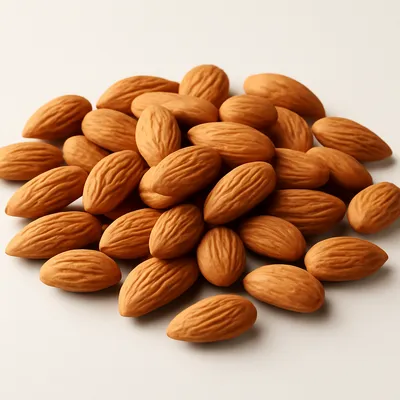
Garnish: scatter pomegranate seeds, toasted slivered almonds, fresh mint sprigs.
- 146 min
Serve immediately. Each diner takes saffron rice, qazmaq pieces, qaurma, and pomegranate seeds. Eat with the right hand from the communal platter.


