Lamb braised slowly with fresh peaches in a saffron sauce balanced between sweet and tart. The fruit half-dissolves into the gravy and half stays in tender wedges, its sweetness checked by a sour agent — lime juice, verjuice, or the natural edge of slightly underripe peaches. It belongs to the Persian tradition of fruit khoreshes, where stone fruit and meat are cooked together rather than served apart, and it is a high-summer dish made when peaches are at their cheapest and ripest. Served over saffron rice.


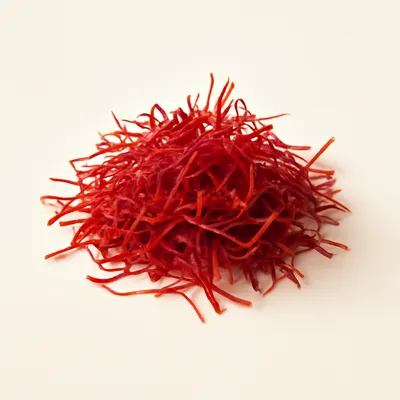


Cooking fruit with meat is one of the defining moves of Persian cuisine, set down in medieval and Safavid-era recipe books where quince, apple, plum, and cherry all appear braised alongside lamb. The peach version sits in this same family next to the better-known cherry stew Khoresh-e Albaloo, though it is less codified and more seasonal. The sweet-sour balance — fruit for sweetness, an acid to cut it — is the governing principle of the whole category, and the peach simply lends its particular floral sweetness and soft, collapsing flesh.
Lamb cooked to the point of falling apart, set in a glossy orange sauce that smells of saffron and ripe peach. Some of the fruit has melted into the gravy and thickened it; the rest holds in soft, almost jammy wedges that yield at once. The taste swings sweet then sour and back, the lime keeping the peach from cloying. Over rice, a single spoonful carries meat, fruit, and the perfumed sauce together.
The peaches go in late, not at the start; added too early they disintegrate entirely and the dish loses its fruit. Often the wedges are lightly browned in butter first, which caramelizes their surface sugars and helps them keep shape through the braise. The lamb is browned and simmered long enough to break down its connective tissue before the fruit ever joins it. The souring agent is dosed against the peaches' ripeness — a riper, sweeter fruit needs more lime; underripe peaches need less.
Variations
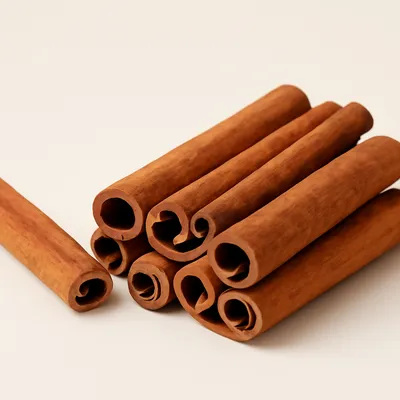
Fresh peaches are the summer form; dried peaches or apricots stand in out of season and give a more concentrated, leathery-sweet result. Some cooks add a pinch of cinnamon or a few dried rose petals to the sauce; others sharpen it with verjuice instead of lime. Beef can replace lamb. A close relative swaps in quince for a firmer, more astringent fruit, and another uses sour cherries, which need no added acid at all.
On the Palate
Where Khoresh-e Holu sits in the Persian flavor cloud
Ingredients
Serves 4How it's made
7 steps · 25 min
- 18 min
Brown the lamb pieces with chopped onion and turmeric.
Watch outBrown the lamb hard until the edges catch a real crust — that fond is the base of the sauce; pale meat leaves the braise thin.
- 260 min
Add water and simmer the lamb covered until it begins to turn tender.
- 36 min
Cut the peaches into wedges and lightly brown them in butter.
Watch outTake the peaches out the moment the cut faces turn golden — brown too long and they slump before the braise even starts.
- 43 min
Bloom the saffron in hot water.
- 55 min
Add the browned peaches and the saffron to the pot.
- 63 min
Stir in lime juice and a little sugar to set the sweet-sour balance.
Watch outAdd the lime a splash at a time and taste — ripe sweet peaches drink up a lot, underripe ones need almost none.
- 730 min
Simmer gently until the lamb is fully tender and the sauce has reduced.
Archive tool suggestions — not reviewed
These legacy suggestions have not been evidence-reviewed and are not presented as required tools.