Kuku-ye Sibzamini is the potato member of the Persian kuku family — boiled potatoes mashed with egg, grated onion and turmeric, then shaped into small patties and fried golden. It is one of the simplest and most economical kuku, soft inside with a crisp browned crust, and is eaten warm at the table or, very commonly, cold the next day tucked into bread with herbs and pickles. Cheap, filling and easy to carry, it is a staple of home kitchens, lunchboxes and picnics across Iran.


Kuku is a long-established category of Persian egg dishes — thick, frittata-like cakes bound with egg — and the format appears in Persian cooking well before the potato itself. Since the potato reached Iran comparatively recently, in roughly the nineteenth century, the potato kuku is necessarily a newer member of the family than the herb kuku, though no specific date or inventor is recorded for it. It belongs to everyday home cooking across the country rather than to any one region, prized for thrift and portability. Its exact origins are not documented.
Soft and fluffy inside from the mashed potato, with a thin, deep-gold crust that crackles a little under the fork. The flavor is mild and comforting — potato and egg rounded by sweet grated onion and the earthy warmth of turmeric, with a faint savory edge. Good hot when the crust is crispest, but just as loved cold, when the inside firms up and slips neatly between layers of flatbread with fresh herbs and a tart pickle.
The potatoes are boiled and mashed smooth so they bind with the egg into a cohesive patty that holds its shape in the pan. Grated onion is squeezed of excess liquid before mixing, or the patties turn loose and soggy. They are fried over medium heat in shallow oil and left undisturbed until a crust sets on the underside, then flipped once — moving them too early breaks the soft mass. Turmeric is added both for color and for its earthy aroma, and a little flour can be worked in to firm the mixture if it is too wet.
Variations
Some cooks bake the mixture in a pan as a single large cake rather than frying individual patties, and others add chopped parsley or a little saffron. A version mixed with cooked, flaked fish or with leftover meat turns it into more of a main dish. The seasoning may include cumin or black pepper alongside the turmeric.
On the Palate
Where Kuku-ye Sibzamini sits in the Persian flavor cloud
Ingredients
Serves 4
How it's made
8 steps · 25 min
- 115 min
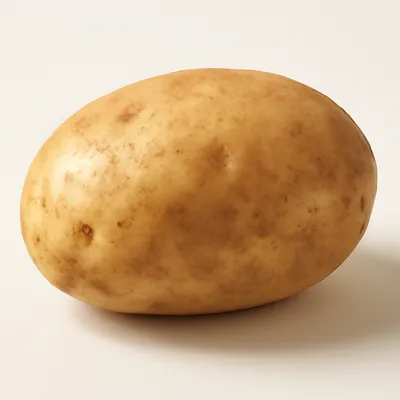
Boil the potatoes until fully tender, then peel and mash them smooth.
- 23 min
Grate the onion and squeeze out the excess liquid, then add it to the mashed potato.
Watch outWring the grated onion really dry — leftover juice loosens the mix and the patties go soggy and fall apart in the pan.
- 33 min
Beat in the eggs, turmeric, salt and pepper until the mixture is well combined.
- 41 min
Work in a little flour if the mixture is too soft to hold a shape.
Watch outThe mix should just hold a shape when scooped; if it slumps, work in flour a spoon at a time rather than dumping it.
- 52 min
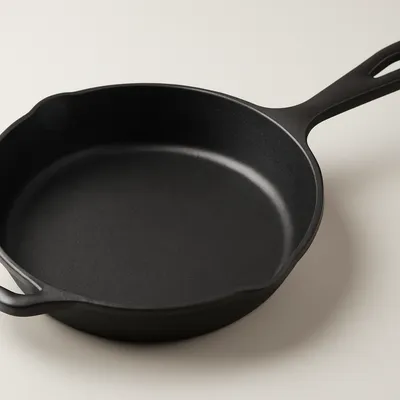
Heat shallow oil in a pan over medium heat.
- 62 min
Shape the mixture into small patties and lower them into the hot oil.
- 78 min
Fry undisturbed until the underside is deep gold, then flip and brown the other side.
Watch outLeave the patties alone until a deep-gold crust sets underneath — flip early and the soft mass tears.
- 83 min
Drain briefly and serve warm, or cool completely to eat in sandwiches.
Archive tool suggestions — not reviewed
These legacy suggestions have not been evidence-reviewed and are not presented as required tools.