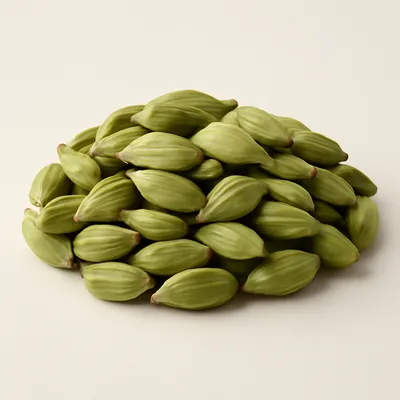
Nan-e berenji is a pale, crumbly rice-flour cookie from Kermanshah, scented with cardamom and rosewater and freckled with poppy seeds. Made from rice flour, oil or butter, egg yolk and powdered sugar with no wheat at all, it bakes into a fragile, sandy disc that fractures the moment it is bitten and dissolves rather than chews. A favorite of Nowruz sweet trays and a celebrated souvenir of Kermanshah, it is meant to be light, almost weightless, and to melt on the tongue. The name means simply 'rice bread'.


Nan-e berenji is the signature rice-flour cookie of Kermanshah in western Iran, and its tradition there is generally traced back roughly a century and a half to the Qajar era. The usual account ties it to travelers and pilgrims passing through Kermanshah on the old caravan routes, who needed a sweet that kept well and traveled without spoiling; bakers answered with cookies built on rice, a staple that stored and carried easily. From a road provision it grew into the city's celebrated souvenir and a fixture of the Nowruz sweet table, where seven sweet things are set out to welcome the new year.
Dry and tender, the cookie collapses into fine, sandy crumbs the instant teeth meet it, melting on the tongue rather than holding a chew. Gently sweet, with cardamom warm in the foreground and rosewater floral behind it. Poppy seeds add tiny nutty pops and a faint crunch against the powdery body. Pale gold, never browned. It is fragile to the point that the cookies are handled and stored with care, and crumble if pressed.
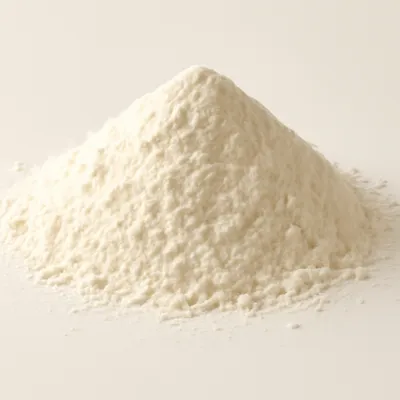
Rice flour is the whole point: with no wheat there is no gluten, so nothing binds the dough into a chew, and the cookie sets as a tender, short crumb instead. Fat from oil or butter coats the rice starch and keeps it from cohering, while egg yolk and a little binding hold the disc together just enough to bake. The dough is rested cold so it firms and the cookies keep their shape, then baked gently and pulled pale — browning would coarsen the delicate texture and dull the rosewater. They finish setting and crisping as they cool.
Variations
Kermanshahi nan-e berenji is the benchmark, light and poppy-seeded; Yazd and other cities make their own rice cookies, sometimes pressed with a decorative stamp. Some bakers top with slivered pistachio instead of or alongside poppy seeds, and the cardamom-to-rosewater balance shifts from kitchen to kitchen. A few versions blend in a little starch for extra tenderness. Industrial cookies tend to be sturdier and less crumbly than the homemade and bakery originals.
On the Palate
Where Nan-e Berenji sits in the Persian flavor cloud
Ingredients
Serves 24How it's made
8 steps · 30 min
- 15 min
Beat oil or softened butter with powdered sugar until pale and creamy.
- 24 min
Beat in egg yolk along with rosewater and ground cardamom.
- 35 min
Fold in rice flour to a soft dough without overworking.
Watch outFold just until the rice flour disappears into a soft dough; keep working it and the cookies turn tough instead of short.
- 4120 min
Chill the dough until firm enough to shape.
- 58 min
Roll into balls and flatten into small discs on a lined tray.
- 62 min
Sprinkle each cookie with poppy seeds.
- 714 min
Bake gently until set but still pale, not browned.
Watch outPull them pale — set but not browned; any colour coarsens the crumb and dulls the rosewater.
- 830 min
Cool fully on the tray so the fragile cookies firm up before lifting.
Archive tool suggestions — not reviewed
These legacy suggestions have not been evidence-reviewed and are not presented as required tools.


