Koloocheh is a stuffed, gently spiced Persian pastry disc, somewhere between a filled cookie and a small sweet bread, baked until the surface is set and faintly golden. Its top is traditionally stamped with a carved wooden mold that presses a decorative pattern into the dough before baking. The most celebrated versions come from the Caspian north, above all Lahijan and Fuman in Gilan province, filled with ground walnut spiced with cardamom and cinnamon, or with a soft date paste. Eaten with tea and sold by dedicated bakeries, it is both an everyday treat and a regional souvenir.


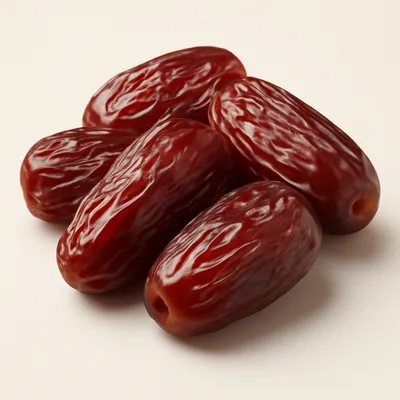


Koloocheh is rooted in the rain-fed Caspian north of Iran, the provinces of Gilan and Mazandaran, where it has long been baked for Nowruz and other festivities. Two northern towns are most closely tied to it: Fuman, whose koloocheh wraps a crisp shell around a moist walnut, sugar, cardamom and cinnamon filling, and Lahijan, whose version typically carries walnut and date and sometimes pistachio. In these provinces whole bakeries specialize in nothing else, and boxes of koloocheh travel home as the defining souvenir of the region. A separate southern tradition exists around Bandar Abbas, but the Gilan version is the canonical one.
The crust is soft and slightly crumbly, more bread than biscuit, yielding to a dense, moist center. A walnut filling tastes toasty and warm with cardamom and cinnamon, faintly resinous; a date filling is darker, chewier and caramel-sweet. The spicing is gentle rather than sharp, and the whole thing is built to be eaten slowly with hot tea, which cuts its richness.
A modestly leavened, fat-enriched dough gives koloocheh its soft, short crumb: butter or oil coats the flour to limit gluten and keep the crust tender, while a little leavening lifts it just enough to read as a bread-cookie rather than a hard biscuit. The wooden stamp is not only decorative; pressing the surface compacts and patterns the top so it holds its shape and bakes evenly. Baking, rather than frying, sets the shell slowly and lets the filling stay moist inside an enclosed pocket. Cardamom and cinnamon are aromatic compounds carried in the nut oils, blooming as the filling heats, while the dates' natural sugars caramelize lightly and keep that filling soft and pliable.
Variations
The two defining fillings are spiced ground walnut (the Fuman style) and date paste (common in Lahijan and widely beyond), and many bakeries make both; pistachio, grated coconut, rose water or saffron may join in. Sizes range from small one-bite discs to large flat rounds 10 to 15 centimeters across, and the stamped pattern varies by town and baker. Outside Gilan, other regions including Bandar Abbas bake their own koloocheh with local spicing.
On the Palate
Where Koloocheh sits in the Persian flavor cloud
Ingredients
Serves 10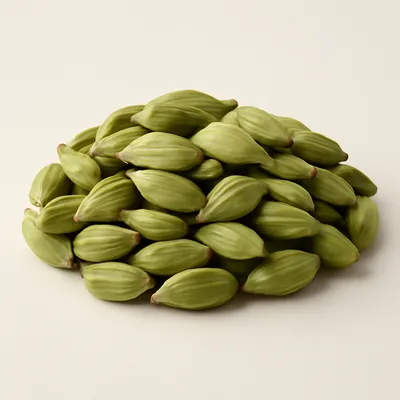

How it's made
8 steps · 1 hour active + 1 hour waiting
- 115 min
Make the filling: mix ground walnuts with sugar, cardamom and cinnamon, or blend softened dates into a smooth paste.
- 215 min
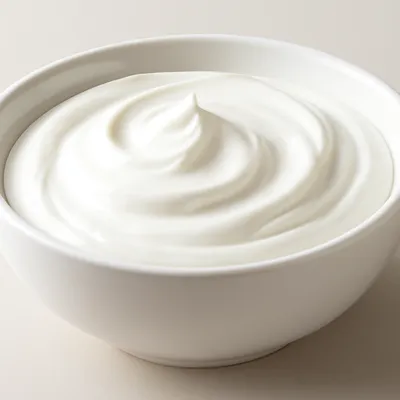
Combine flour with melted butter, a little yogurt, sugar and a small amount of leavening; knead into a soft, smooth dough.
Watch outKnead only until the dough is smooth and just holds together — the butter should keep it soft; work it hard and the gluten develops and bakes tough.
- 360 min
Cover the dough and let it rest so it relaxes and lightly rises.
- 410 min
Divide the dough into portions and flatten each into a round.
- 520 min
Place filling in the center, fold the dough around it and reshape into a smooth, sealed disc.
Watch outSeal the seam and any cracks completely — an open edge leaks filling and the syrup burns black in the oven.
- 610 min
Press a carved wooden mold or fork pattern into the top of each disc and arrange on a lined tray.
- 725 min
Brush the tops with egg yolk for color and bake in a moderate oven until set and lightly golden.
Watch outPull them the moment the tops turn pale gold — koloocheh keeps setting off the heat, and left in for real color the bottoms go dry and hard.
- 830 min
Cool fully on a rack so the crumb firms, then store airtight and serve with tea.
Archive tool suggestions — not reviewed
These legacy suggestions have not been evidence-reviewed and are not presented as required tools.