A thin, soft Iranian flatbread, its surface dimpled by hand and faintly perfumed, baked fast against the searing wall of a clay oven. Enriched lightly with milk or yogurt and sometimes tinged gold with saffron, it bakes up pliable and tender rather than crisp, with pale brown blisters where the dough kisses the hot clay. Taftoon is an everyday bread of the Iranian table, torn by hand to scoop stew, wrap herbs and cheese, or eat with tea. Larger and thinner than barbari, softer and quicker than sangak.

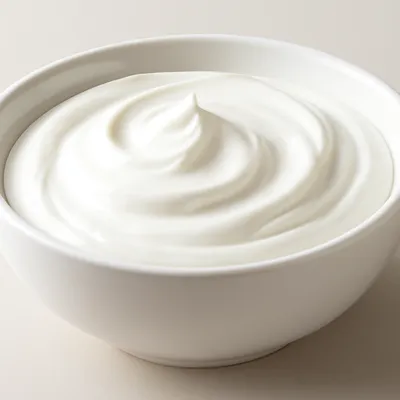
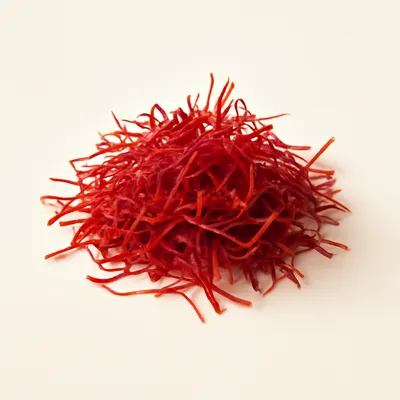


Taftoon takes its name from the Persian taftan, meaning to heat, to burn or to kindle — a direct nod to the fierce clay oven it is cooked in. Flatbreads of this kind reach far back in Iranian foodways, and references to such enriched, oven-baked breads appear in classical Persian literature. Traditionally it is slapped onto the inner wall of a tanur, the vertical clay oven, where it adheres and bakes in moments; from Iran the bread and its name spread eastward into Afghan, Pakistani and Gulf kitchens, where related taftan loaves are still baked today.
Soft and supple, easy to fold or tear, with a tender chew rather than a crackle. The dimpled surface carries faint scorch marks and a light wheaty sweetness, lifted by saffron or a breath of cardamom when used. Warm from the oven it is at its best — pliant enough to wrap a fistful of herbs and feta, sturdy enough to scoop a thick khoresh without tearing through. It cools quickly and is meant to be eaten fresh.
The intense, direct heat of the clay oven is everything: bottom and radiant heat from the glowing wall flash the thin dough, setting a tender crust and puffing it in seconds before it can dry out. Pressing dimples across the surface stops the bread ballooning into one big bubble, so it bakes flat and evenly. The milk or yogurt softens the crumb and feeds browning, while a short proof keeps the dough light yet supple enough to slap onto the oven wall.
Variations
Plain is most common, but taftoon is often flecked with sesame or nigella seeds, and some bakers gild the dough with saffron or scent it with cardamom for a fragrant, slightly festive loaf. Home cooks without a clay oven bake it on a hot stone, cast-iron pan or pizza steel to mimic the fierce floor heat. Thickness varies by region, from paper-thin to a little more substantial.
On the Palate
Where Taftoon sits in the Persian flavor cloud
Ingredients
Serves 6How it's made
7 steps · 30 min
- 110 min
Dissolve yeast in warm water and let it foam, then combine with flour, salt and a little milk or yogurt.
- 290 min
Knead into a soft, slightly tacky dough and let it rise until roughly doubled.
- 315 min
Divide into portions and shape each into a ball, then rest briefly under a cloth.
- 48 min
Roll or stretch each ball into a thin, even round.
- 54 min
Press dimples across the surface with your fingertips and brush lightly with saffron water if using.
Watch outDimple the whole surface right down to the dough — those pits are what stop the bread ballooning into one big bubble, so it bakes flat.
- 68 min
Bake on the wall of a very hot clay oven, or on a preheated stone or steel, until puffed and lightly blistered.
Watch outPull it the second it puffs and shows a few brown blisters — a thin dough like this dries to a cracker in seconds if you leave it.
- 72 min
Wrap the hot breads in cloth to keep them soft and serve fresh.
Archive tool suggestions — not reviewed
These legacy suggestions have not been evidence-reviewed and are not presented as required tools.