



Harsha is the semolina griddle bread of the Lebanese everyday — simpler than kaak or manakish, which need an oven, and older than both in spirit, since it asks only for a hot pan and the grain every household had. It belongs to the breakfast and snack tradition rather than the restaurant table, and its whole virtue is its plainness: coarse semolina bound with yogurt, cooked on a dry pan, eaten warm split and spread with labneh or jam. The name relates to 'rough' or 'coarse,' naming the sandy texture the semolina gives. A relative of Moroccan harcha, harsha is the kind of bread that exists because cooked grain and a hot surface are the oldest cooking combination there is.
Golden and slightly gritty from the semolina, with a tender crumb and a faintly crisp crust from the pan; mildly tangy from the yogurt. It soaks up labneh or jam beautifully and is comforting in the way only a warm flatbread can be.
Semolina's large starch granules give the bread its characteristic sandy texture and golden color, and they are the whole reason the bread exists — fine flour would just make a pancake. The yogurt's acidity and moisture hydrate the starch without developing much gluten, keeping the crumb tender where water-and-flour would turn rubbery. A hot dry griddle gelatinizes the surface starches into a thin crisp crust while the interior stays soft, and the brief rest before cooking lets the semolina fully absorb the yogurt so the dough holds together. Flip too early and it cracks; the pan must be properly hot.
Variations
Some fold harsha around akkawi cheese for a filled version. A sweetened variant adds sugar and anise to the dough. A finer-textured version uses a mix of semolina and white flour for a less gritty bite.
On the Palate
Where Harsha sits in the Lebanese flavor cloud
Ingredients
Serves 6How it's made
6 steps · 15 min
- 15 min
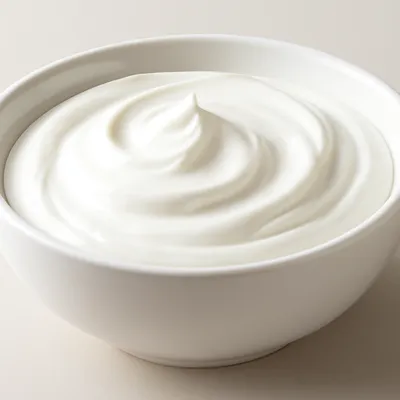
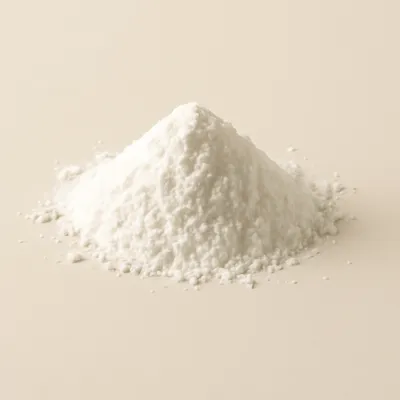
In a bowl mix 2 cups fine semolina, 1 cup yogurt, 1/4 cup oil, 1 tsp baking powder, 1/2 tsp salt; knead briefly into a soft dough; rest 15 minutes.
Watch outKnead only briefly to a soft dough, then let it rest — the pause lets the semolina drink up the yogurt so it holds together instead of crumbling.
- 24 min
Divide into 6 balls; flatten each between two sheets of plastic into a disc about 1 cm thick.
- 32 min
Heat a dry non-stick pan over medium; brush lightly with oil.
- 46 min
Cook each disc 4-5 minutes per side, pressing gently, until deep golden with charred spots.
Watch outDon't flip until the underside is deep golden with charred freckles and lifts cleanly — turn it too early and the soft disc tears and cracks.
- 53 min
Brush cooked harsha with a little butter or oil; stack under a cloth to keep warm and soft.
- 62 min
Serve warm, split and spread with labneh, soft cheese, or jam.
Archive tool suggestions — not reviewed
These legacy suggestions have not been evidence-reviewed and are not presented as required tools.

