A tart, herb-thick pomegranate-and-walnut stew from Gilan on Iran's Caspian coast, built on ground walnuts and sour pomegranate paste and studded with small fried meatballs. It belongs to the same northern walnut-pomegranate family as fesenjan but is leaner, greener, and more sharply sour, carried by a heavy load of chopped local herbs. Lamb or beef meatballs are the usual protein, though chicken, duck, or turkey turn up in some households. It is eaten over Persian white rice, often at the Yalda winter feast.


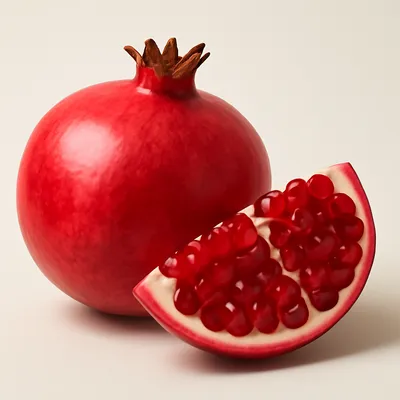


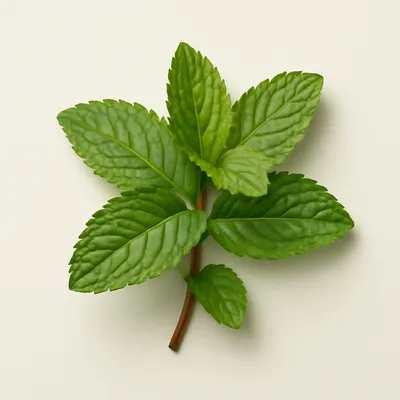
Anar bij ("pomegranate seed/grain" in the local Gilaki sense) is a folk dish of Gilan province, the humid lowland between the Alborz mountains and the Caspian Sea; its precise origin is undocumented, as with most of the region's village cooking. The Caspian littoral is one of Iran's oldest walnut- and pomegranate-growing zones, and its near-Mediterranean climate of heavy rain and dense greenery supports a cooking vocabulary — sour fruit, raw garlic, walnut, a fistful of fresh herbs, fish and fowl — that sits apart from the drier, sweeter stew tradition of the Persian interior and leans toward the Caucasus. Within that vocabulary anar bij is the meatball cousin of fesenjan: the duck or chicken is swapped for small kufteh, and the sauce is pushed greener and more sour with chopped herbs and verjuice. Gilani cooks favor a black, sour pomegranate paste (rob-e anar) over the sweet kind, which is what keeps the dish tart-forward rather than rich.
Small browned meatballs sit in a thick, grain-flecked green-brown sauce, glossed dark by walnut oil and pomegranate. The first taste is a clean, puckering sourness, then the herbs come through grassy and savory, and only underneath does the ground walnut settle in — earthy and slowly filling. It is lighter on the tongue than a Tehrani fesenjan and far greener-tasting, the tartness kept sharp rather than candied. Spooned over white rice, the sauce stains the grains the color of wet bark.
The dish runs on a deliberate fight between walnut and acid. Walnuts carry their bitterness and dry, puckering astringency in the thin brown pellicle, which is dense in ellagitannins that bind to the proteins in saliva; left alone in a long simmer the ground nuts would turn the sauce harsh and chalky. The sour pomegranate paste and verjuice answer this two ways: their fruit acids (citric and malic in pomegranate, tartaric and malic in verjuice) brighten the whole pot, and the acidity helps keep the tannins in suspension and folds in the dissolving walnut fat so the sauce reads round and glossy rather than bitter. The herbs are chopped fine and sweated in oil first to drive off their raw grassy note and concentrate their aroma before the liquid goes in. The meatballs are bound tight with grated onion (and sometimes a little rice flour) and browned before they are dropped into the sauce, which sets their surface protein so they hold their shape through the slow cook instead of crumbling into the stew.
Variations
The herb mix is the most variable part, shifting house to house and across Gilan's micro-regions; alongside parsley, cilantro, mint, and chives, cooks reach for native northern greens like chochagh and khakshir. Lamb or beef meatballs are standard, but chicken, duck, or turkey pieces stand in for the kufteh in some versions, pulling the dish back toward fesenjan. The souring can come from sour pomegranate paste, fresh sour-pomegranate juice, verjuice, or a mix; sweeter pastes are balanced with extra verjuice. Some cooks fold a little extra ground walnut in for a thicker, richer pot, while leaner versions stay sharply herb-and-sour. It should not be confused with gerde bij, the Gilani walnut-pomegranate dish built on fish rather than meatballs.
On the Palate
Where Anar Bij sits in the Persian flavor cloud
Ingredients
Serves 4

How it's made
8 steps · 35 min
- 110 min
Grind walnuts fine, just short of releasing their oil; soak in a little warm water to a loose paste.
Watch outGrind the walnuts fine but stop just short of releasing their oil — ground too far they turn oily and heavy; just right and they soak into a loose paste that thickens the sauce cleanly.
- 212 min
Mince a large mix of parsley, cilantro, mint, and chives; chop one onion fine and grate another.
- 318 min
Bind ground beef or lamb with the grated onion, salt, and pepper; roll into small walnut-sized meatballs and brown on all sides, then set aside.
- 415 min
Sweat the chopped onion in oil until soft and golden, then add the minced herbs and cook down until dark and fragrant.
- 55 min
Stir in the walnut paste and turmeric and let it toast briefly, then pour in water and bring to a low simmer.
- 64 min
Stir in the sour pomegranate paste and verjuice; taste and balance the sour-sweet edge.
- 770 min
Slip the browned meatballs into the sauce, cover, and simmer gently 60 to 75 minutes until the oil rises dark and glossy.
Watch outCover and simmer a good hour or more until the oil rises dark and glossy on top — that surfacing oil is the sign the sauce is done; rush it and it stays chalky and sharp from the raw tannins.
- 85 min
Rest off the heat a few minutes and serve over Persian white rice, scattered with pomegranate seeds.
Archive tool suggestions — not reviewed
These legacy suggestions have not been evidence-reviewed and are not presented as required tools.