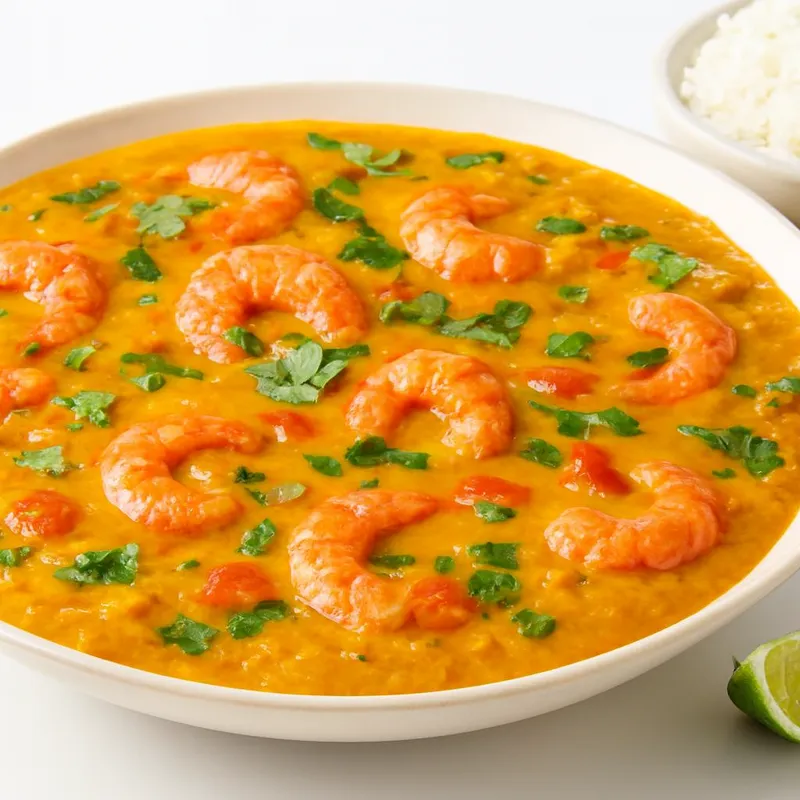
A Bahian chicken stew in which pieces of bone-in chicken are browned in dendê (red palm oil) and simmered in a thick, nutty sauce ground from dried shrimp, peanuts, and cashews with onion, garlic, and ginger. The sauce is rust-orange from the dendê and rich rather than soupy, clinging to each piece of chicken. It is one of the cornerstone dishes of Afro-Bahian cooking and, in Candomblé, a ritual food dedicated to the orixá Oxum. Unlike vatapá or bobó, it has no bread or cassava-purée base — the body comes entirely from the ground shrimp and nuts.


Xinxim belongs to the Afro-Brazilian kitchen of Salvador, Bahia, carried and reshaped by enslaved West Africans of Yoruba and Bantu descent who brought the dendê palm, the dried-shrimp-and-ground-nut sauce, and the technique. The word 'xinxim' is African in origin, though its source is contested — variously traced to Yoruba (a word for stew/guisado), to Kimbundu of Angola (meaning small or chopped), and to other Bantu terms for 'mixed.' In Candomblé, xinxim de galinha is counted among the foods offered to Oxum, the orixá of fresh water, love, and gold, and is also associated with Iansã; like acarajé and caruru, it crosses freely between the terreiro altar and the everyday table. No single inventor or date is recorded — it is a folk dish of the African diaspora in Brazil.
Chunks of chicken coated in a clinging, brick-orange sauce that smells of toasted shrimp and roasted nuts. The dendê gives a savory, faintly vegetal richness that coats the lips; the ground peanuts and cashews make the sauce thick and almost creamy without any dairy, while the dried shrimp drives a deep, salty, fermented-seafood backbone underneath. Ginger and garlic cut through; a little malagueta chili lifts the heat. Served over plain white rice, sometimes with farofa, so the bland rice carries the dense sauce.
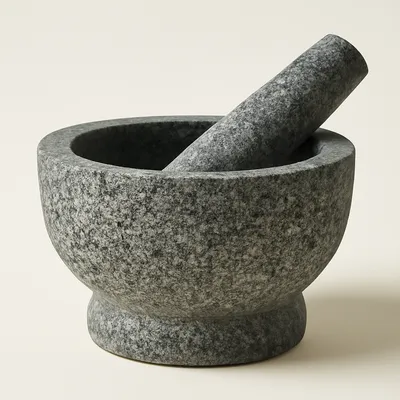
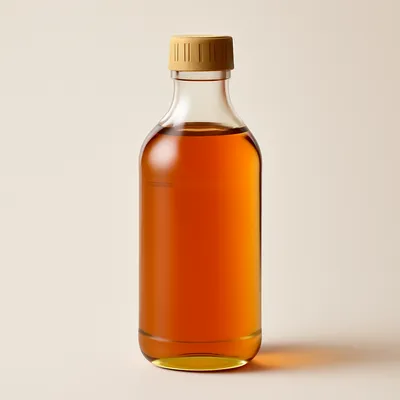
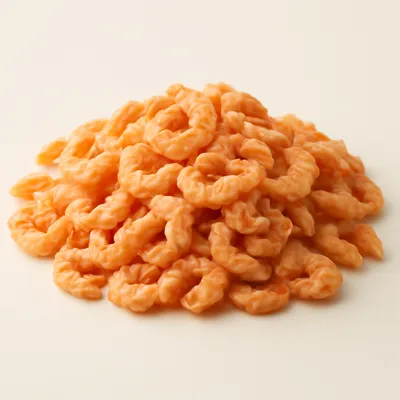
The body of the sauce is built by grinding toasted peanuts, cashews, and dried shrimp into a paste — pounded in a mortar or pulsed in a blender — so their fat and protein emulsify into the cooking liquid and thicken it without flour. Toasting the nuts first develops roasted, Maillard-driven aroma before they are ground. Dendê (palm oil) is the load-bearing fat: pressed from the African oil palm, it carries the deep orange carotenoids that color the dish and a distinctive savory-vegetal flavor that olive oil cannot replace. The chicken is browned first to set a seared crust and render flavor, then braised gently so the nut-and-shrimp sauce reduces and clings rather than separating.
Variations
The Salvador standard is chicken with a dried-shrimp-peanut-cashew sauce in dendê; many cooks add coconut milk for a milder, creamier version, and some fold in okra (quiabo) toward the end. A few add ground watermelon or pumpkin seeds among the nuts. The ritual food offered to Oxum in Candomblé houses is a plainer, less-seasoned form; the restaurant and home version is fuller-flavored. The dish is closely related to but distinct from vatapá (thickened with day-old bread) and bobó (thickened with cassava purée).
On the Palate
Where Xinxim de Galinha sits in the Brazilian flavor cloud
Ingredients
Serves 4



How it's made
7 steps · 40 min active + 20 min waiting
- 115 min
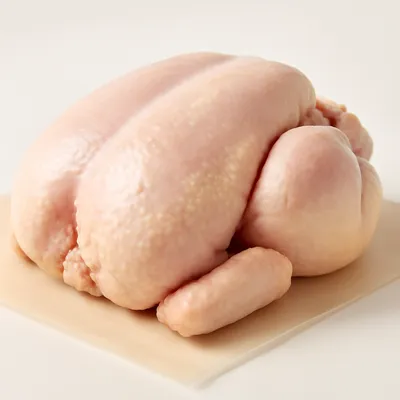
Season bone-in chicken pieces with salt, lime juice, garlic, and a little ground ginger; let marinate.
- 210 min
Toast the peanuts, cashews, and dried shrimp in a dry pan until fragrant, then grind with onion, garlic, and ginger into a thick paste.
Watch outToast the nuts and dried shrimp until fragrant before grinding — that roasted aroma is built here, and it's the ground paste that thickens the sauce without any flour.
- 38 min
Heat dendê (palm oil) in a heavy pot and brown the chicken pieces on all sides; remove and set aside.
- 48 min
Add the ground shrimp-and-nut paste to the same pot and fry gently until the raw smell cooks off and the oil turns deep orange.
Watch outFry the ground paste until the raw smell cooks off and the oil turns deep orange — that color and depth come from the dendê blooming; rush it and it tastes raw.
- 530 min
Return the chicken, add a little water or stock, and braise on low heat until the chicken is tender and the sauce thickens and clings, about 30 minutes.
- 66 min
If using, stir in coconut milk and sliced okra near the end and simmer a few more minutes; finish with chopped cilantro.
- 73 min
Serve over plain white rice, with farofa and chili sauce on the side.
Archive tool suggestions — not reviewed
These legacy suggestions have not been evidence-reviewed and are not presented as required tools.