
An iconic riverine soup of the Pantanal, made from piranha — the toothy fish that fills these waters. The fish, heads and all, is simmered with vegetables and aromatics until it falls apart, then blended and strained into a concentrated, deeply savory golden broth, usually served hot and well peppered. Beyond its flavor it carries a tall reputation as an aphrodisiac, popularly called the viagra do pantanal, which is part of the lore that surrounds every bowl.



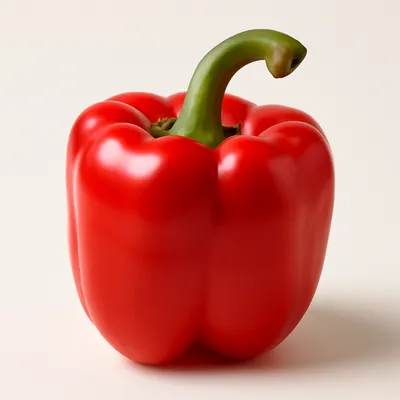
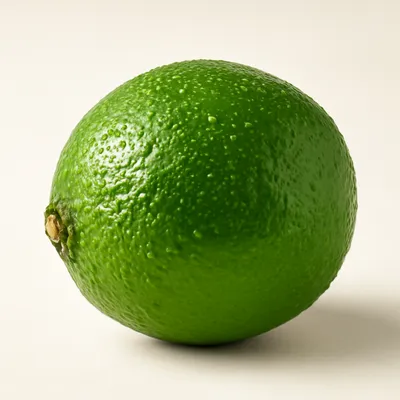
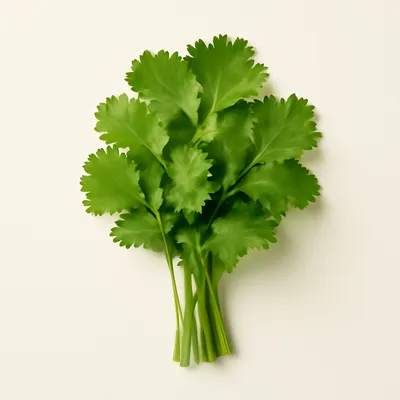
Caldo de piranha is typical of the Pantanal wetlands and the rivers of Mato Grosso do Sul, where piranha are abundant and easily caught. The soup grew out of the practical fishing cooking of the region: piranha is bony and aggressive but plentiful, and reducing it to a strained broth turns an awkward catch into something rich and easy to eat. The dish is inseparable from its folk reputation as an aphrodisiac, attributed in popular belief to the phosphorus in the fish heads — a claim that is cultural lore rather than established fact, but one locals enjoy repeating. It is most often served as a hot starter before a fish meal or a churrasco.
A small bowl or cup of thick, golden-amber broth, smooth from being blended and strained, intensely savory with the concentrated flavor of the whole fish. It is meant to be drunk hot and peppery — local custom is to lace it heavily with chili — and some thicken it at the table with a spoon of cassava flour. The taste is clean river fish rather than muddy, surprisingly delicate given the fearsome reputation of the fish it comes from. A restorative first course, sipped from the cup.
The technique is reduction and extraction: the whole fish, including the gelatin-rich heads, is simmered long enough to break down completely, releasing flavor and body into the liquid, then the whole thing is blended and passed through a sieve so none of the many fine bones remain. That straining is essential — piranha is too bony to eat in pieces, so the broth is the only practical way to serve it. The result is concentrated and slightly thickened by the natural gelatin; cassava flour is the traditional optional thickener. Plenty of chili and aromatics balance the richness.
Variations
Some cooks serve the broth completely smooth; others leave a little flaked fish in it. Chili heat varies from gentle to fierce, and cassava flour may be stirred in for a thicker, almost porridge-like cup. The same technique is applied to other bony river fish across the Pantanal and Amazon, but piranha is the celebrated version, carried by its aphrodisiac fame. It is served as a starter, often alongside toasted bread.
On the Palate
Where Caldo de Piranha sits in the Brazilian flavor cloud
Ingredients
Serves 4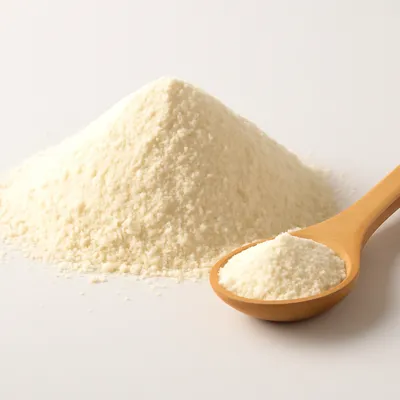

How it's made
6 steps · 35 min active + 25 min waiting
- 110 min
Clean and gut the piranha, keeping the heads, and rub with lime and salt.
- 28 min
Sauté onion, garlic, tomato, and pepper in oil until soft, then add water to make a stock.
- 325 min
Add the whole fish and simmer until the flesh and heads are completely soft and falling apart.
Watch outSimmer until the flesh and heads fall completely apart — the gelatin-rich heads are where the body comes from, so cook them right down.
- 45 min
Blend the mixture, then pass it through a fine sieve, discarding all the bones.
Watch outPass everything through a fine sieve and discard every bone — piranha is too bony to eat in pieces, the strained broth is the whole point.
- 55 min
Return the strained broth to the pot, season with salt, chili, and chopped cilantro, and heat through.
- 63 min
Serve hot in cups, offering cassava flour at the table to thicken to taste.
Archive tool suggestions — not reviewed
These legacy suggestions have not been evidence-reviewed and are not presented as required tools.



