
A communal feast of whole mangrove crabs braised in a coconut-and-tomato broth scented with garlic, cilantro, and culantro. The crabs are piled in a big pot and the broth poured over, then everyone gathers around the table to crack, suck, and pick the meat by hand. It is the great social ritual of Sergipe and a fixture of the bars and beachfronts of its capital, Aracaju.
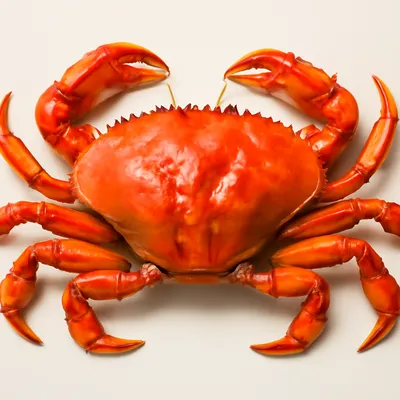




The dish is built around the caranguejo-uçá (Ucides cordatus), the burrowing land crab of the Atlantic mangroves. Sergipe holds some of the largest mangrove stands in the Northeast, and crab-gathering by catadores who reach bare-armed into the mud is an old coastal livelihood. Eating caranguejada is so embedded in local life that bars hold a weekly "crab day," and the noisy table ritual of breaking the shells is affectionately called the quebra-quebra. The same communal crab feast runs up and down the coast from Aracaju to Belém and São Luís.
Hard shell, soft hands-on work: you crack the claws, snap the body, and dig out sweet white meat threaded with the dark, briny tomalley. The broth is the soul of it — rust-orange, faintly sweet from coconut, sharp with cilantro and culantro — and is sopped up with cassava flour or pirão. Fingers, table, and faces all end up coated; bibs and cold beer are mandatory.
Live crabs are scrubbed and briefly boiled or steamed to firm the meat before they go into the seasoned broth, so the flesh stays intact rather than dissolving. They then braise just long enough to take on the flavors of the liquid without overcooking. The fat under the carapace (the tomalley) is what gives the broth its depth, and coconut milk is added toward the end and kept below a rolling boil so it stays smooth. Cilantro and the broad-leaf culantro go in fresh at the finish for a bright, grassy lift.
Variations
The leftover broth and picked meat are turned into pirão or a thick crab rice. Aracaju cooks lean heavily on coconut milk and culantro; further north in Pará the same feast leans on the brothy caldeirada style. Lone crabs also become casquinha de siri-style gratins or crab claws (patinhas) fried as a bar snack, though the whole-crab caranguejada is the centerpiece version.
On the Palate
Where Caranguejada sits in the Brazilian flavor cloud
Ingredients
Serves 6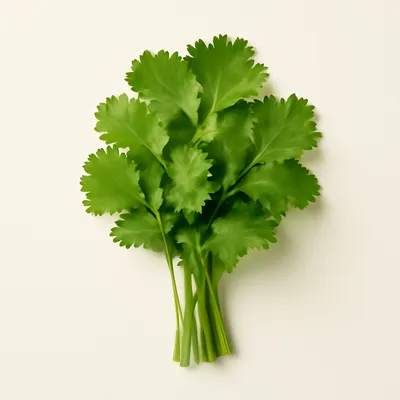


How it's made
5 steps · 40 min active + 35 min waiting
- 110 min
Scrub the live crabs clean under running water, then plunge them into boiling salted water for a few minutes just until the shells turn red; drain.
Watch outBoil the crabs only until the shells just turn red — a brief firming, then out; leave them in and the meat overcooks and starts to fall apart in the braise later.
- 28 min
Make a base by sweating chopped onion, garlic, and bell pepper in oil, then add chopped tomato and cook down to a sauce.
- 310 min
Add water, bay, and most of the cilantro and culantro to build a broth, season with salt, and bring to a simmer.
- 412 min
Add the crabs, cover, and braise gently so they take on the broth, turning them once.
- 55 min
Stir in the coconut milk and warm through without boiling hard, adjust salt, finish with the remaining herbs, and serve in the pot with cassava flour, pirão, and lime.
Watch outStir in the coconut milk at the end and only warm it through — let it boil hard and it splits into grainy curds instead of staying smooth.
Archive tool suggestions — not reviewed
These legacy suggestions have not been evidence-reviewed and are not presented as required tools.



